Short answer: AI interior design is good when you use it as a fast visual planning tool, not as a final construction document. In our room makeover tests, AI was strongest at showing style direction, color palettes, furniture mood, and “what if” ideas, while it was weaker at exact measurements, electrical planning, budget realism, and awkward real-world constraints.
If you are asking is AI interior design good because you want to redesign a room without wasting weeks on guesswork, the honest answer is yes, with clear limits. The best results happen when you bring real photos and specific goals.
Key Takeaways
- AI room makeovers are genuinely useful for early visual exploration and comparing design directions.
- The results can look polished, but you still need to check dimensions, materials, availability, and safety.
- AI performs best with clear room photos, natural lighting, and precise style prompts.
- It is less reliable for structural work, custom cabinetry, lighting plans, and exact shopping lists.
- The smartest use is to generate several concepts, choose what feels right, then adapt the ideas to your real space and budget.
How We Tested AI Interior Design
For this article, we looked at AI-generated room makeovers the way a normal homeowner or renter would: not as a design awards judge, but as someone trying to answer practical questions. Would this help me imagine the room, save time, and create a realistic direction I could actually act on?
We focused on common expectations people bring to AI interior design tools:
- Can it make a dated room look fresh without losing the room’s basic shape?
- Can it suggest useful style options, not just generic luxury interiors?
- Can the output help with decisions about paint, furniture, layout, and decor?
- Does it respect real-world limits like windows, doors, ceiling height, and existing floors?
- Would a person feel more confident starting a makeover after seeing the result?
That last question matters most. Interior design is about reducing uncertainty. A good AI makeover should help you see possibilities clearly enough to make better choices.
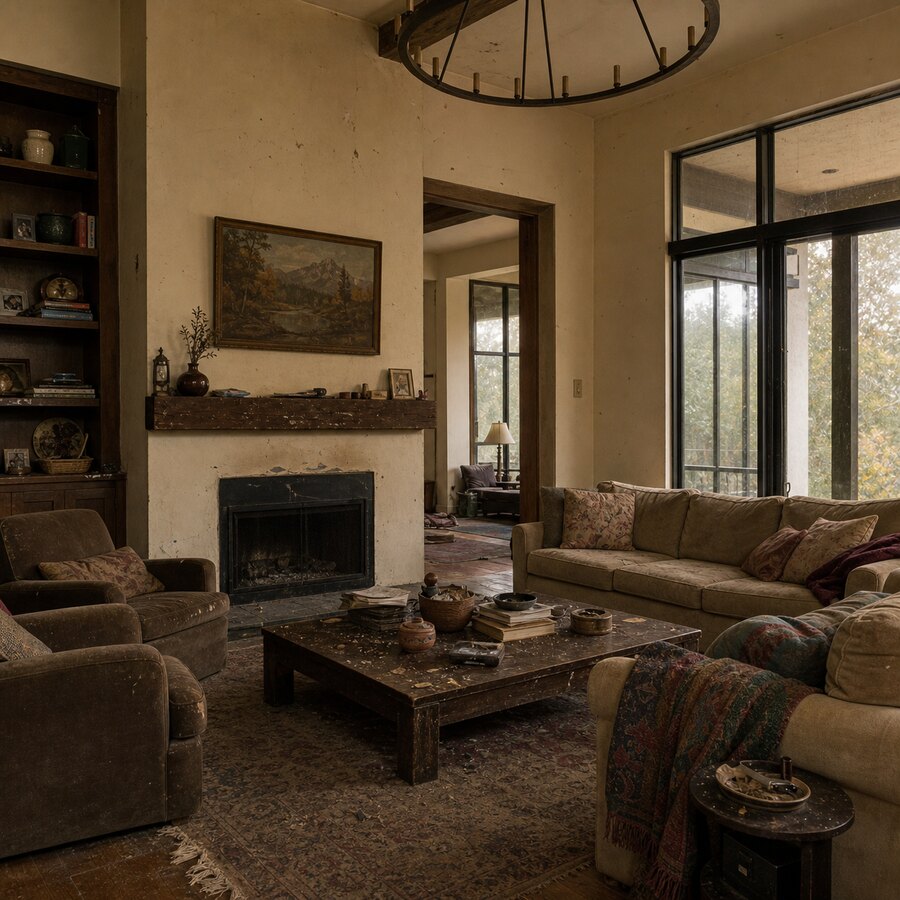
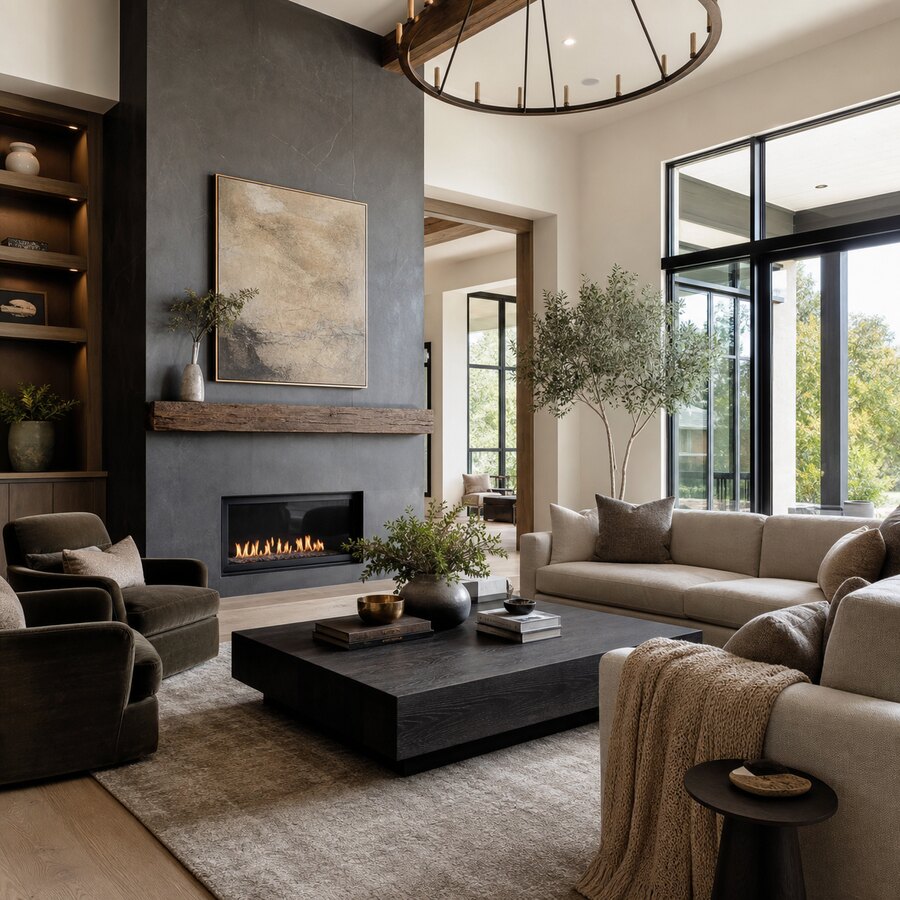
Where AI Interior Design Is Actually Good
1. Turning a vague idea into a visible direction
The biggest advantage is speed. Most people know a few things they like, but not enough to build a full room plan. You might say “warm modern,” “Japandi,” or “cozy minimalist,” but translating that into a room is hard.
AI bridges that gap quickly. It can show how a room might look with lighter walls, warmer wood tones, a new sofa shape, different rug scale, or softer lighting. Even when the image is not perfect, it gives you something concrete to react to.
Many design decisions become easier once you can compare visual options instead of debating abstract descriptions.
2. Comparing styles before spending money
AI interior design is especially useful when you are choosing between styles. A room may look good in several directions: Scandinavian, organic modern, mid-century, coastal, industrial, traditional, or eclectic. Testing those directions with AI can prevent expensive second-guessing.
This is one reason people use tools like the try the AI studio workflow early in the process. It is faster to test five visual directions digitally than to order five sets of samples, return furniture, or repaint a wall twice.
3. Helping non-designers communicate what they want
Many renovation projects stall because people struggle to explain taste. A homeowner may want something “clean but not cold” or “updated but still comfortable.” Those phrases mean different things to different people.
An AI makeover image becomes a shared reference. It can help you communicate preferred colors, furniture silhouettes, trim ideas, mood, and overall level of formality. You still need real specifications later, but the image can align the conversation early.
4. Revealing what does not work
A surprisingly useful part of AI design is discovering bad ideas quickly. Some concepts look appealing in your head but feel wrong in your actual room. A dark accent wall may make a small room feel heavy, or a minimalist bedroom may feel too empty for your lifestyle.
AI mockups let you reject weak directions before they become purchases. That can be just as valuable as finding the final design.
Where AI Interior Design Falls Short
1. It does not truly measure your room
AI can infer a room’s shape from a photo, but it does not know exact dimensions unless you provide them and the tool is built to use them. It may show a sofa, table, or island that looks plausible but would not fit comfortably in real life.
This is the first major limitation: visual realism is not the same as physical accuracy. Always measure walkways, door swings, window heights, furniture depth, rug size, and clearance before buying anything.
2. It may invent details
AI design tools can sometimes add things that are not actually feasible: extra windows, strange built-ins, impossible lighting, inconsistent flooring, or furniture that blends into walls. The better tools preserve the original room more carefully, but no system is perfect.
When reviewing an output, look closely at permanent elements. Did the doors stay where they were? Are the windows still realistic? Did the tool erase a radiator, outlet, vent, or structural column? If so, treat the image as inspiration, not a plan.
3. Product matches are not guaranteed
An AI image may show a beautiful chair, pendant light, or cabinet profile, but that does not mean the exact item exists at your price point. You may need to find similar products manually.
Think of AI as a stylistic brief: “look for a warm oak dining table with rounded corners.” The image helps you shop with direction, but it should not be treated as a verified catalog.
4. It cannot replace professional judgment for complex renovations
If your project involves removing walls, moving plumbing, adding electrical fixtures, changing stairs, altering windows, or meeting building code, AI is not enough. A beautiful rendering can hide costly construction requirements.
AI is good for seeing what you might want. It is not a substitute for permits or contractor drawings.
What Makes an AI Room Makeover Feel Realistic?
The best AI interior design results usually have three things in common: a clear input photo, a practical design prompt, and a careful review afterward. Start with a photo that shows the whole room from a useful angle. Open curtains, turn on lights, and remove temporary clutter if it distracts from the room.
Then be specific about the design goal. Instead of saying “make it modern,” try: “Create a warm modern living room with a comfortable sectional, natural wood coffee table, neutral rug, soft layered lighting, and no structural changes.”
Finally, review the output like a homeowner, not like a fan of AI art. Ask what you would actually keep. That practical filtering is where the tool becomes valuable.
Best Use Cases for AI Interior Design
AI interior design is strongest in the early and middle stages of a project. It is useful when you are exploring possibilities, narrowing style direction, or preparing for a conversation with a partner, designer, landlord, or contractor.
Good use cases include:
- Testing paint and color palette directions before buying samples.
- Seeing how a room could feel with different furniture styles.
- Generating mood boards from a real room photo.
- Planning renter-friendly refreshes with decor, lighting, textiles, and layout changes.
- Preparing visual references before working with a designer or contractor.
- Comparing realistic makeover ideas in the AI room makeover gallery.
It is less appropriate as the only planning tool for major remodels, custom millwork, kitchen changes, bathroom plumbing, structural work, or any project where code compliance matters.
How to Judge an AI Interior Design Result
When you generate a makeover, do not judge it only by whether it looks impressive at first glance. Use this checklist:
- Room integrity: Did the AI keep the same windows, doors, walls, and ceiling shape?
- Usability: Can people walk through the room, open doors, and use the furniture comfortably?
- Budget fit: Does the concept imply affordable updates or a full luxury renovation?
- Maintenance: Are the materials and colors realistic for pets, kids, cooking, or daily life?
- Personal fit: Does the room match how you live, not just how design images trend online?
This is where many AI makeovers become more useful than they first appear. Even if you only keep 30 percent of the idea, that 30 percent may be enough to choose a paint direction, improve layout, or avoid a purchase that would have been wrong.
So, Is AI Interior Design Good?
Yes, AI interior design is good when the job is visual exploration, inspiration, comparison, and early decision-making. It can help you move from uncertainty to a clearer direction faster than traditional browsing alone.
But it is not magic, and it is not a licensed designer, architect, electrician, or contractor. The most useful approach is balanced: generate ideas, compare options, keep what fits, reject what is unrealistic, then verify the details before spending money.
If you want to test your own space, you can try the AI studio with a real room photo and compare a few makeover directions before committing to a style.
FAQ
Is AI interior design good for real homes?
Yes, AI interior design can be good for real homes when used for inspiration, style testing, and early planning. It is most helpful for visualizing colors, furniture mood, and decor direction. It should not be used as the only source for measurements, construction decisions, or safety-related renovation work.
Can AI interior design replace an interior designer?
For simple room refreshes, AI may reduce the need for early design help by giving you quick visual concepts. For complex renovations, custom layouts, sourcing, project management, or high-budget spaces, a professional interior designer still adds judgment, experience, and accountability that AI does not provide.
What rooms work best with AI makeovers?
Living rooms, bedrooms, home offices, dining rooms, and simple entryways usually work well because style, furniture, color, and lighting make a big visual difference. Kitchens and bathrooms can also be useful for inspiration, but you should be more careful because plumbing, ventilation, cabinetry, and code issues matter.
How accurate are AI room design images?
They can be visually convincing, but accuracy varies. AI may preserve the room structure well, or it may change windows, proportions, fixtures, and furniture scale. Treat the result as a concept image and verify dimensions, materials, product availability, and installation requirements separately.
How do I get better AI interior design results?
Use a clear, well-lit photo and describe the style, budget level, room function, and constraints. Mention what should stay the same, such as floors, windows, built-ins, or wall color. Generate multiple versions and compare them instead of relying on the first output.
