The smartest way to renovate a small kitchen on a budget is to keep the plumbing, gas, and major appliances in place, then spend your money on layout fixes, better storage, lighting, color, and durable surfaces. Before buying materials, preview a few design directions so you can separate low-cost visual improvements from expensive structural work and avoid choices that make the room feel smaller.
This guide explains how to renovate a small kitchen on a budget without turning a cosmetic upgrade into a full rebuild. It focuses on practical decisions: what to keep, what to change, how to use color, and where an AI preview can help you test ideas before committing.
Key takeaways
- Keep the sink, stove, and refrigerator locations if they already work; moving utilities is one of the fastest ways to lose the budget.
- Spend first on function: clear walkways, usable counter space, lighting, storage, and hardware you touch every day.
- Use light, warm, or low-contrast colors to make a small kitchen feel calmer and larger, but add depth through texture and accents.
- Replace or paint cabinet fronts only when the cabinet boxes are sound; damaged or poorly planned boxes may need a deeper fix.
- Use AI previews to compare layouts, cabinet colors, backsplash styles, and flooring before you order materials.
Start with the budget question that matters most
A small kitchen renovation can mean many different things. For one home, it is new paint, lighting, hardware, and a peel-and-stick backsplash. For another, it is new cabinets, counters, flooring, and electrical work. The first version can be a weekend project. The second version needs a real renovation budget.
Before you pick finishes, divide the project into two lists: visual upgrades and structural or trade work. Visual upgrades change what you see and touch. Structural or trade work changes plumbing, electrical, gas, walls, windows, ventilation, or appliance positions.
A useful rule: if a change requires a permit, a licensed trade, or opening walls, price it separately before you say yes. That does not mean you should never do it. It means you should not let a small design preference quietly become the biggest expense in the room.
Keep the layout simple before you make it beautiful
Small kitchens are unforgiving. A finish that looks great in a showroom will not fix a cramped walkway, a blocked drawer, or a refrigerator door that hits the island. Start with movement and storage, then choose the style.
Protect the work triangle, but do not overthink it
The classic kitchen work triangle connects the sink, stove, and refrigerator. In a small kitchen, the goal is not a perfect triangle. The goal is fewer awkward steps and fewer collisions. If those three points are already close, avoid moving them unless there is a serious problem.
Use vertical storage before adding more furniture
When floor space is limited, more furniture often makes the kitchen feel smaller. Use the walls first. Add taller upper cabinets, open shelves for daily items, rail storage for utensils, or a slim pantry cabinet if there is a narrow unused gap.
Inside the cabinets, low-cost organizers can make a bigger difference than new doors. Pull-out shelves, tray dividers, under-sink bins, and vertical pan storage solve daily frustration without changing the kitchen footprint.
Be honest about islands and peninsulas
An island is not automatically an upgrade. In many small kitchens, it creates a traffic problem and steals visual breathing room. If you want extra prep space, test a movable cart first. If a peninsula already exists, check whether it improves storage and seating or simply blocks the room.
Before committing, create a few layout previews in the AI studio and compare the same room with a cart, without a cart, and with a slimmer peninsula.
Where to spend and where to save
The best budget kitchen renovations do not treat every surface equally. Some choices need durability because they take abuse every day. Others only need to look clean and intentional.
Spend on lighting
Lighting changes how every other design decision looks. A fresh cabinet color can look dull under one ceiling bulb. Add under-cabinet lighting, replace tired fixtures, and use bulbs with a consistent color temperature. For kitchens, a warm-neutral light often feels better than harsh cool light, especially with white cabinets or stainless appliances.
Spend on counters if the current ones are damaged
If your counters are swollen, cracked, stained, or hard to clean, they are worth prioritizing. But you do not always need premium stone. Laminate, butcher block, compact surfaces, and remnant slabs can work well in a small kitchen because the total square footage is lower.
Save by keeping cabinet boxes
If the cabinet boxes are solid, repainting, refacing, or replacing doors can create a major change for far less than a full cabinet replacement. New hinges, handles, and soft-close hardware also make old cabinets feel better.
Do not save here if the boxes are water-damaged, badly installed, or too shallow for normal use.
Save on backsplash trends
A backsplash is a good place to control cost. Simple tile installed well usually outlasts a trendy pattern you may dislike in two years. If the budget is tight, choose a clean tile, a small accent area, or a temporary backsplash until you can do it properly.
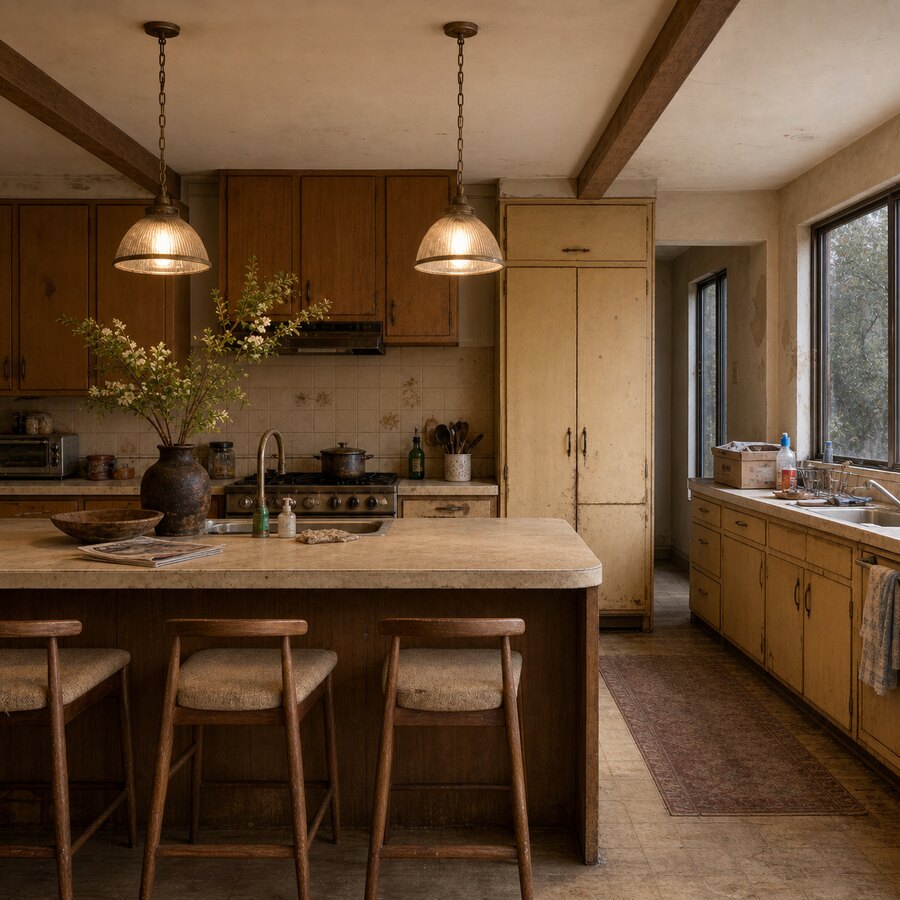
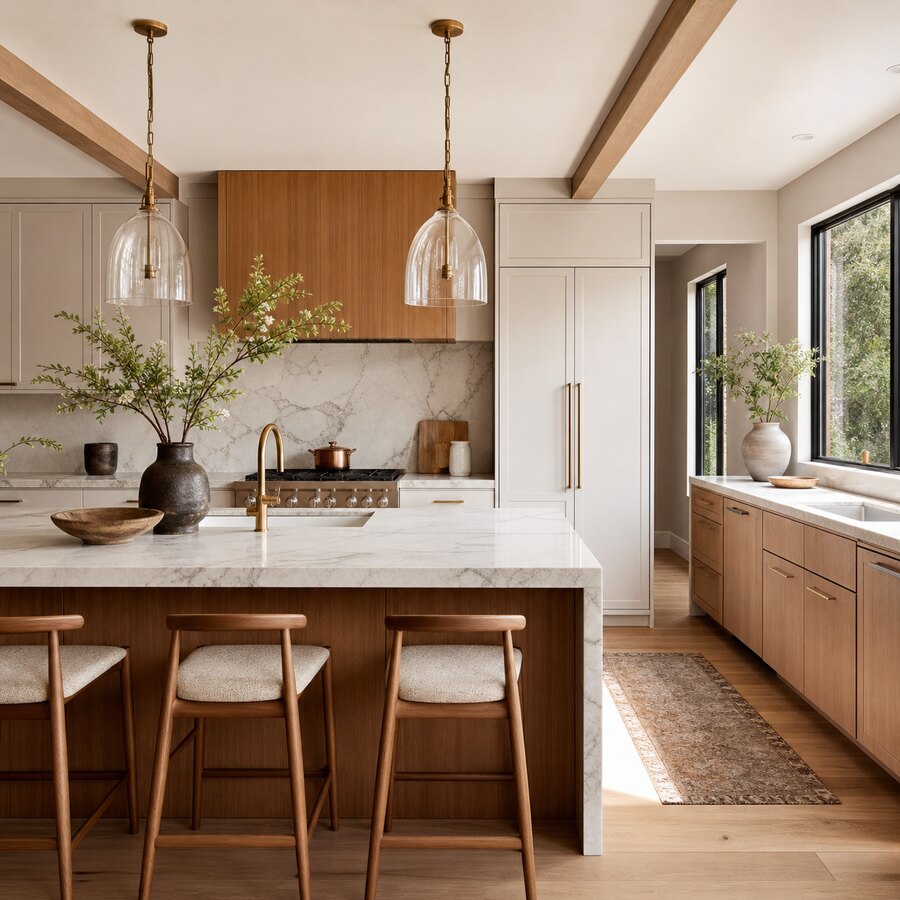
Color choices that make a small kitchen feel bigger
Small kitchens usually benefit from less visual noise. That does not mean everything must be plain white. It means the colors should work together instead of chopping the room into too many competing parts.
Use one calm base color
Choose one main color for the largest surfaces: cabinets, walls, or both. Soft white, warm gray, pale sage, greige, light taupe, and muted blue can all work. The right choice depends on your floor, counter, and natural light.
If the room has little sunlight, pure white can look flat or cold. A warmer off-white or light neutral often feels more forgiving.
Keep contrast intentional
High contrast can look sharp, but too much of it can shrink a small room. Dark lower cabinets with light uppers can work because the eye stays lifted. Dark uppers in a low-ceiling kitchen can feel heavy unless the room has strong natural light.
Use contrast where it helps: handles, faucet, lighting, stools, or a small backsplash detail. Avoid using every surface as a statement.
Test the floor and cabinet combination together
Flooring covers a large visual area. A cabinet color that looks perfect on a sample may clash with an existing floor. If you are keeping the floor, photograph the room in daylight and evening light, then preview cabinet colors against that floor before buying paint.
If you plan to change flooring, use a low-maintenance material suited for spills and cleaning. Luxury vinyl plank, tile, and sheet vinyl are common budget options.
How AI previews reduce bad design decisions
AI previews are not a substitute for measuring, contractor advice, or product specifications. They are useful because they make design tradeoffs visible early in your actual kitchen.
Use previews for decisions that are expensive to reverse: cabinet color, open shelving, flooring tone, backsplash height, appliance finish, and whether the room should feel modern, traditional, cozy, or minimal.
For a budget project, the best workflow is simple:
- Take clear photos from the main doorway and from the counter side.
- Preview three directions: light and classic, warm and natural, and bold but simple.
- Choose the direction that improves the room without requiring utility moves.
- Price only the changes that appear in the winning preview.
- Keep the image as a reference when choosing paint, tile, lights, and hardware.
If you want to test the idea before spending money, try the AI studio with a straight-on kitchen photo and ask for a budget-friendly small kitchen refresh. You can also review the site’s AI design features and compare plan options on pricing if you need more previews.
A practical small-kitchen budget plan
Here is a sensible order for a budget renovation. It keeps the expensive decisions visible and prevents the project from drifting.
- Clean the room, remove counter clutter, and take clear photos in good light.
- Measure cabinet runs, appliance widths, counter depth, and walkway clearance.
- List daily frustrations: prep space, lighting, trash storage, pans, corners, or damaged surfaces.
- Choose one specific design direction, then price paint, hardware, lighting, backsplash, counters, organizers, flooring, and labor separately.
- Do repairs and messy work before final finishes, backsplash, hardware, and styling.
Common budget mistakes to avoid
The biggest mistake is spending on style while ignoring function. A beautiful kitchen still fails if there is no prep space or the trash can blocks the main walkway.
The second mistake is choosing materials one at a time. A backsplash, counter, cabinet color, and floor can each look good alone and still look wrong together.
The third mistake is following a trend that does not suit the room. Open shelving, dark cabinets, and patterned floors can all work, but each one needs enough visual breathing room.
The final mistake is skipping samples. Digital previews help you choose a direction, but real paint and material samples still matter. Test them in your kitchen, under your lighting, before ordering everything.
FAQ
What is the cheapest way to renovate a small kitchen?
The cheapest useful approach is to keep the existing layout, paint or reface sound cabinets, update hardware, improve lighting, add cabinet organizers, and use a simple backsplash. Avoid moving plumbing, gas, or electrical unless the current layout truly does not work.
How can I make a small kitchen look bigger on a budget?
Use a calm base color, reduce clutter, improve lighting, choose low-contrast finishes, and keep upper areas visually light. Taller storage, under-cabinet lighting, and consistent flooring can also make the room feel more open.
Should I replace cabinets or paint them?
Paint or reface cabinets if the boxes are solid, dry, and well arranged. Replace them if they are damaged, poorly installed, too shallow, or arranged in a way that wastes space every day.
Can AI design previews replace a kitchen designer?
No. AI previews are best for exploring visual directions and comparing ideas quickly. For structural changes, code issues, ventilation, electrical work, or custom cabinetry, use a qualified professional.
What should I not do in a budget kitchen renovation?
Do not start by moving utilities, buying trendy materials without samples, or choosing finishes before solving storage and workflow problems. Those decisions can make a small kitchen more expensive without making it easier to use.