
Start with the lease and the constraints
Read what the tenancy allows: painting, fixings, alterations and what must be returned to its original state. Note the fixed constraints, including sockets, radiators, meters, windows and storage, and decide your budget and time horizon before buying anything. If something is unclear, ask the landlord in writing and keep the reply.
A rental is a constraint project. The clearer you are about the constraints at the start, the better the design decisions become.
Plan with AI before you spend
Photograph each room and test layouts, palettes and lighting moods. Use the same photo to compare directions so the choice is honest, and ask for a version that keeps the existing floor, walls and window. Then turn the chosen direction into a shopping list of movable items.
- Keep a budget for each room rather than one pot for the whole apartment.
- Write down what must stay, so the plan does not depend on changing it.
- Compare two directions before buying anything.
- Save the render with the shopping list so future purchases stay consistent.
The reversible toolkit
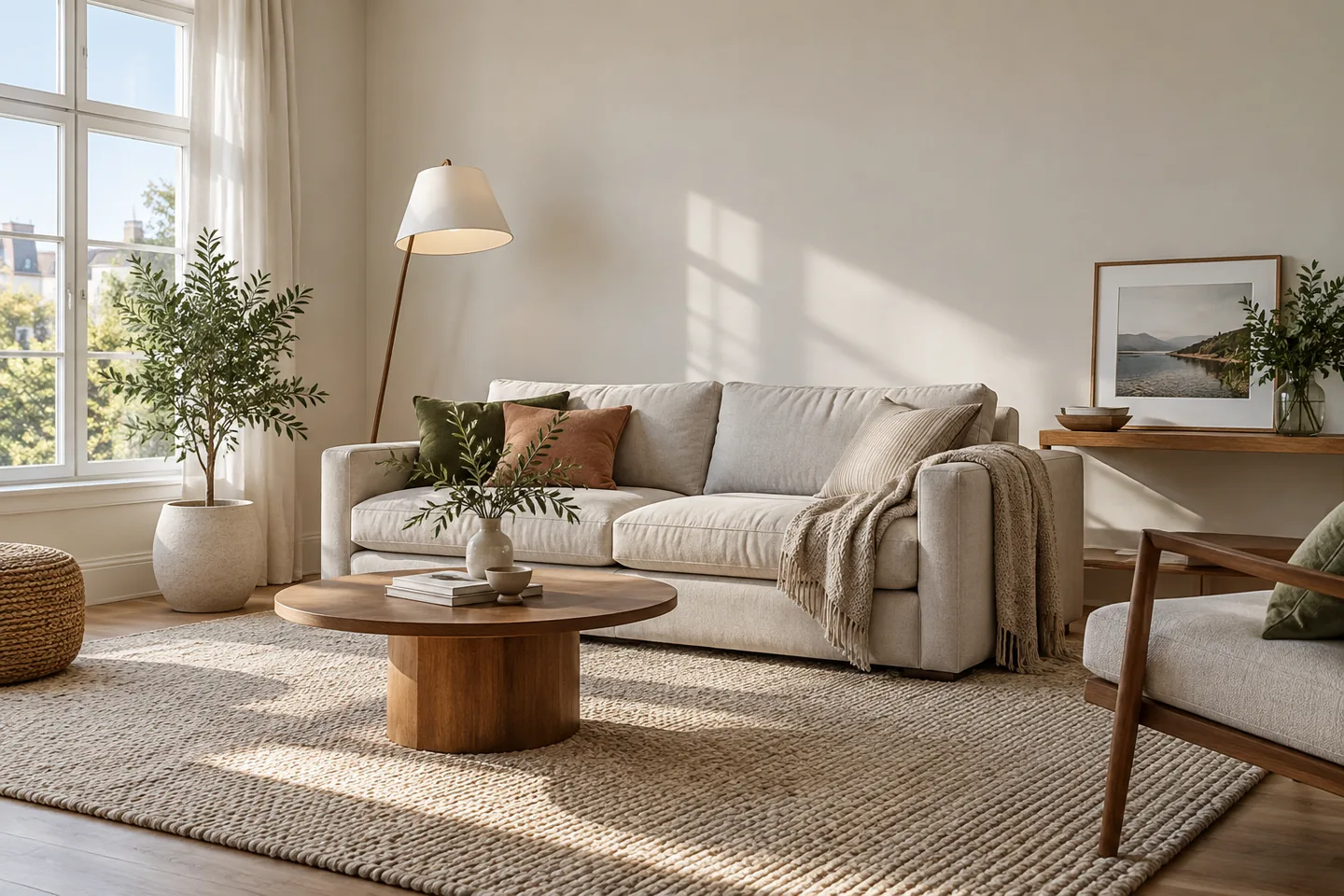
Rugs, curtains, cushions, throws and lamps change a room without touching the fabric of the building. Freestanding shelving and modular storage add function and can move with you. Removable wallpaper and adhesive tiles work in some rentals, but test a small area first and check the lease before you commit.
Plan for anything you add to be removed cleanly. The best renter upgrades are the ones you can take to the next place, which means furniture, textiles and lighting rather than anything fixed.
Work with the room you have
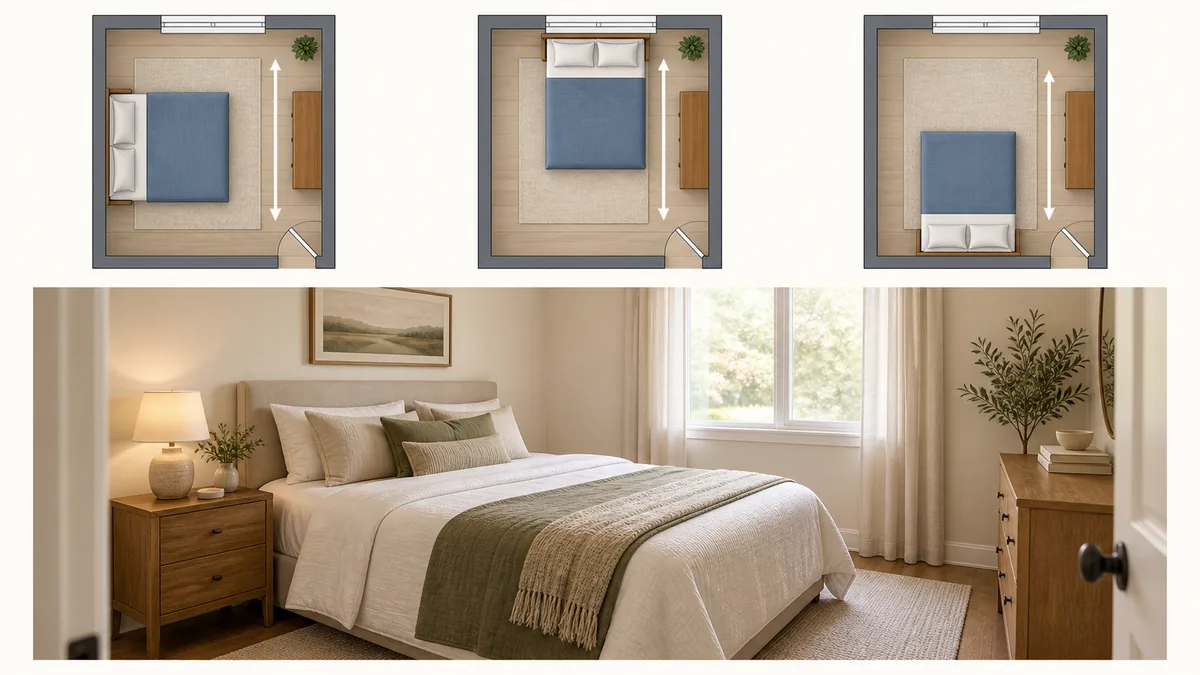
Choose a layout that respects the radiator, window and socket positions. Use lighting layers to fix dark corners rather than fighting them, and hide unavoidable clutter in closed storage. Keep at least one calm surface in each room, even if it is just the top of a dresser.
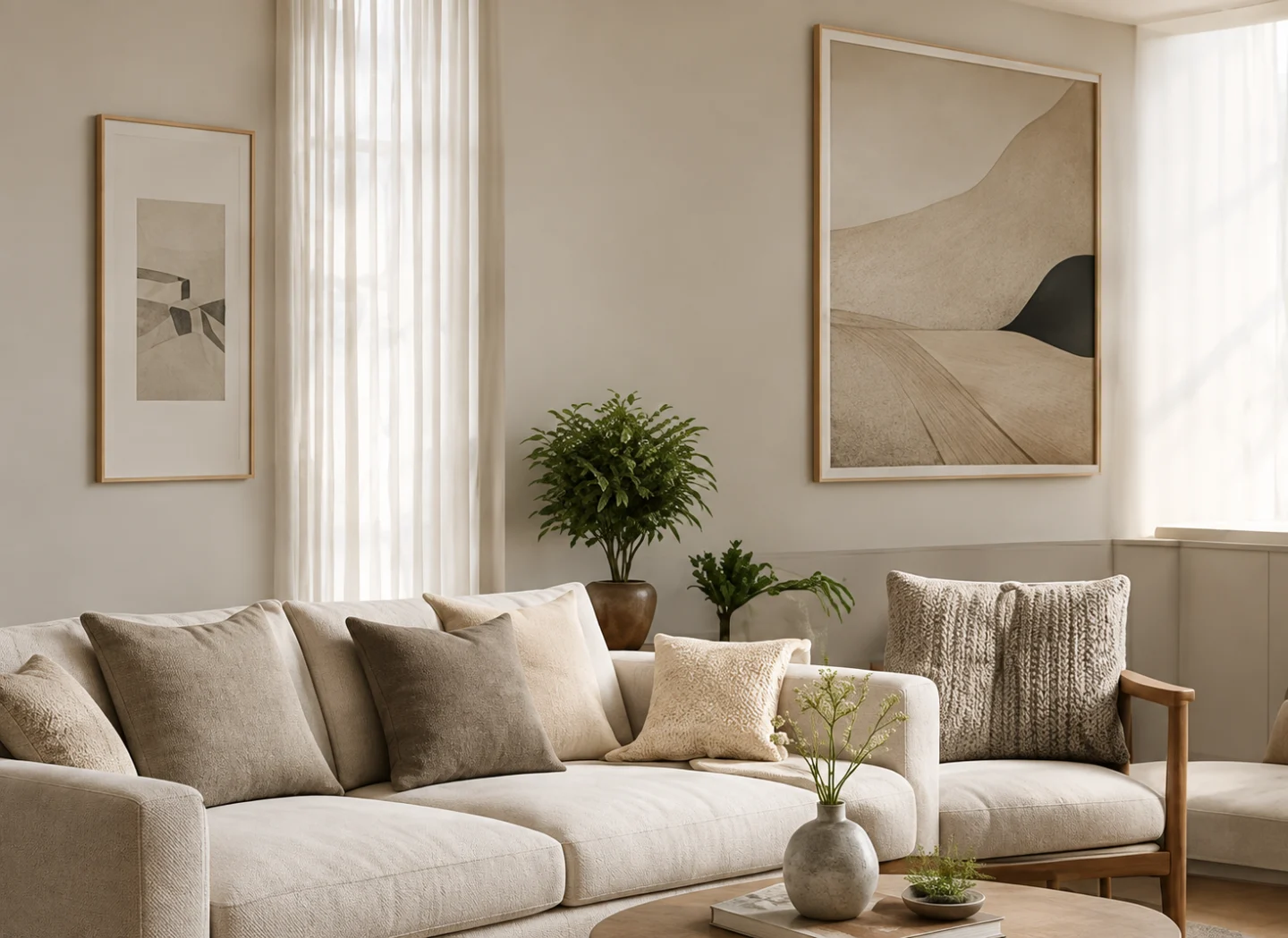
Small, deliberate changes usually beat a full restyle. A rug that fits the seating area, two lamps that light the corners and a pair of curtains that reach the floor will do more than a wall of new accessories.
Lighting without rewiring
Plug-in wall lights, floor lamps and battery picture lights avoid electrical work, and warm bulbs used consistently make a space feel intentional. Use dimmers where you can, and route cables safely rather than trailing leads across walkways. Check whether a lamp can be secured safely or needs to stay freestanding.
Lighting is the single highest-return rental upgrade because it changes how the whole room feels and it moves with you.
Damage-free fixing options
Adhesive strips, hooks and removable fixings suit light loads on suitable surfaces, but always check the weight rating and the wall finish, because paint and plaster vary. Ask before drilling, and put any agreed fixings in writing. Keep the original fixings and a small pot of touch-up paint if you have one.
Even with permission, use fixings that are easy to remove and easy to make good. The goal is a room you enjoy and a deposit you get back.
The move-out plan
Photograph the condition at the start and again before you leave. Reverse any changes you made, fill or touch up fixing points where needed, and clean to the standard in the tenancy. Keep receipts for anything you hire, and return the inventory with evidence.
Evidence protects the deposit far better than an argument. A dated photo set and a written record of agreed changes take ten minutes and can save the cost of repainting the whole apartment.
Frequently asked questions
Can renters use AI interior design tools?
Yes. Upload a photo of the room, describe what must stay, and use the renders to test layouts and palettes. The result is a plan of movable items you can take with you.
What changes can renters usually make without permission?
Furniture, rugs, curtains, lighting that plugs in and other freestanding items are generally fine, but every tenancy differs. Check the lease and ask in writing before fixing anything to the walls.
How do I protect my deposit when styling a rental?
Keep changes reversible, use suitable fixings for light loads, record the condition before and after, and restore anything you changed. Photographs and written agreement protect you more than a verbal arrangement.
Renting is not a reason to live with a room you dislike. Plan with AI, spend on movable pieces, and choose changes you can undo; the room improves and the deposit stays intact.
This guide is general information, not legal or tenancy advice. Always follow your tenancy agreement and local rules.