Short answer: The most useful 2026 interior design trends are warm minimalism, richer earth tones, color-drenched rooms, tactile natural materials, softer curves, and smarter multipurpose layouts. The practical shift is not just what looks stylish; it is that you can now preview these ideas with AI on a photo of your own room before buying paint, furniture, rugs, lighting, or renovation materials.
That makes trend-hunting less risky. Instead of guessing whether smoky green cabinets, a chocolate-brown bedroom, or a curved sofa will work in your actual space, you can test several directions visually, compare them side by side, and only spend money on the version that still looks good after the first excitement wears off.
Key takeaways
- 2026 interiors are moving away from cold gray rooms and flat white boxes toward warmth, texture, depth, and personality.
- AI previews are especially useful for high-commitment choices such as paint, flooring, cabinetry, built-ins, large sofas, and lighting plans.
- The strongest trend ideas still need to be tested against your room’s daylight, ceiling height, existing finishes, and storage needs.
- Use AI as a visual planning layer, not as a substitute for measurements, budgets, samples, contractor advice, or safety requirements.
- A good workflow is simple: photograph the room, test three to five trend directions, shortlist one, then validate with real samples before purchasing.
Why 2026 design trends are easier to try before you buy
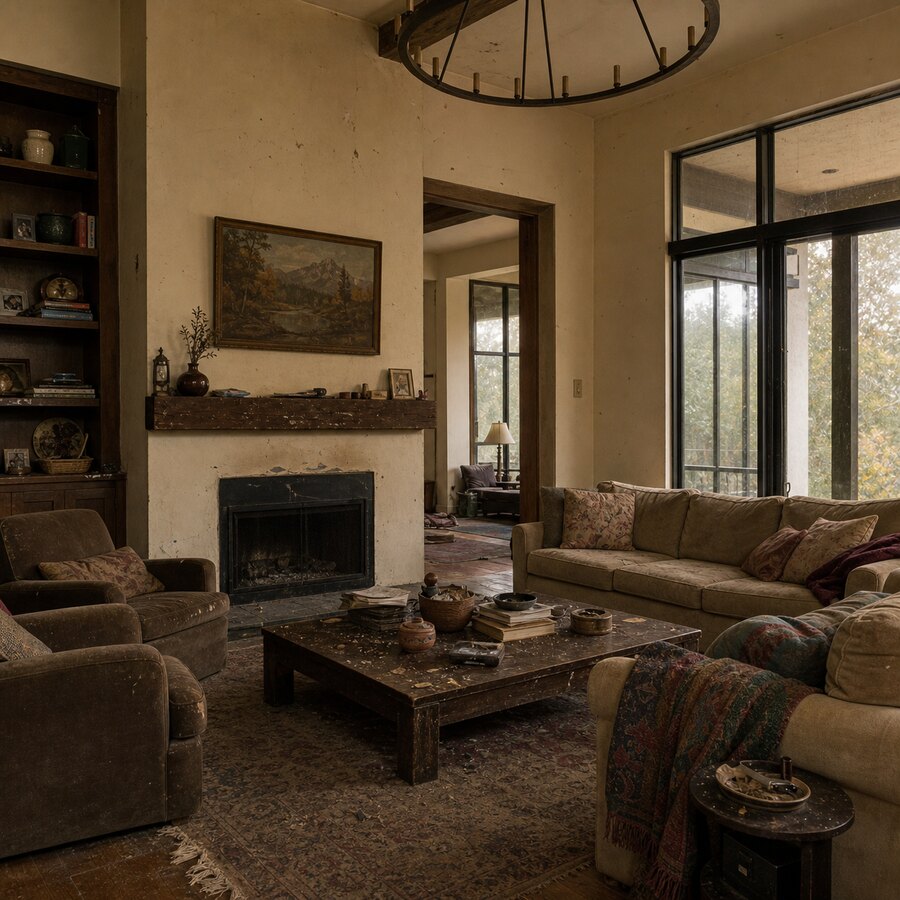
Most trend articles show beautiful finished rooms, but that is not how most people make decisions. You are usually starting with a normal living room, rental bedroom, small kitchen, or dated home office and asking a more practical question: will this trend work here?
That is where the search interest around 2026 interior design trends AI makes sense. AI room preview tools let you upload a photo and generate a design direction on top of your existing layout, so you can judge whether a warmer wall color, darker palette, or minimalist scheme works in your real room.
For a fast first pass, you can try the AI studio with a clear photo of your room and a specific prompt such as “warm minimalist living room with walnut wood, linen sofa, textured rug, and soft indirect lighting.” If you want inspiration first, browse the before and after examples to see how much a visual direction can change the feel of the same space.
Trend 1: Warm minimalism replaces cold minimalism
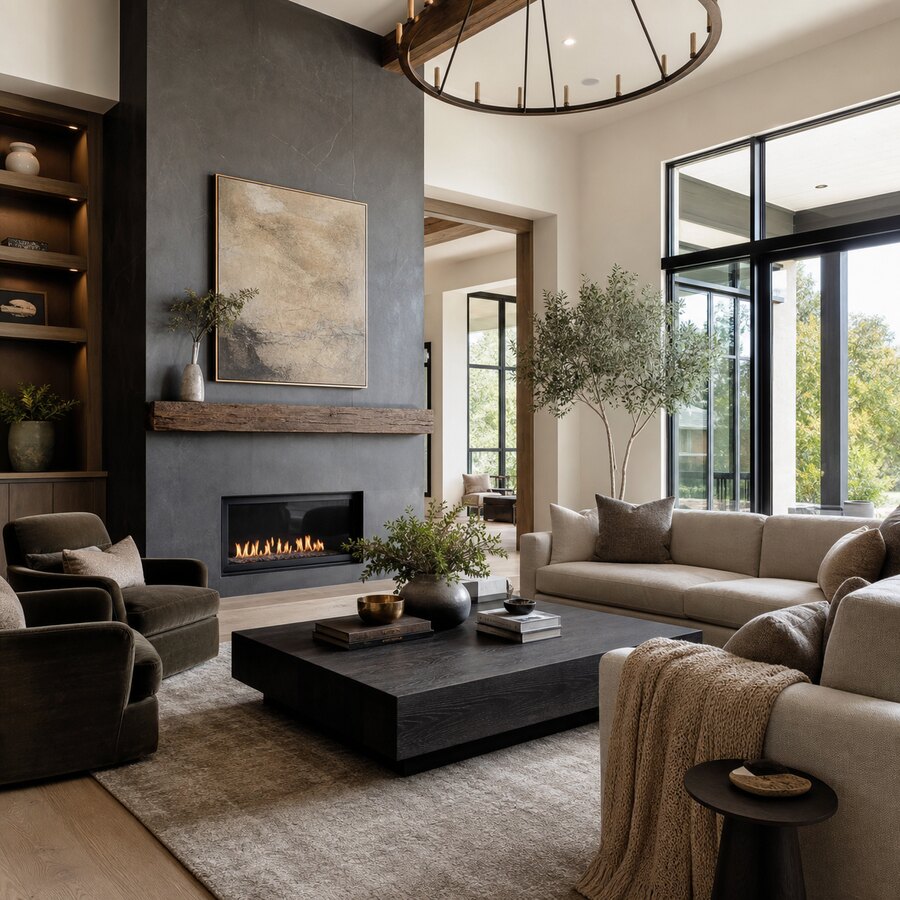
Minimalism is not disappearing in 2026, but the sterile version is fading. The newer look keeps the calm, edited feeling of minimal design while adding warmth through wood, plaster-like paint, linen, wool, leather, stone, and soft lighting. In an AI preview, ask for “warm minimalism” and include the exact materials you are considering: oak, walnut, travertine, boucle, linen curtains, limewash-style walls, or aged brass.
Best rooms to test it in
Warm minimalism works especially well in living rooms, bedrooms, home offices, and open-plan apartments where visual calm matters. It is also useful when you already own simple furniture and want to make the space feel more finished without adding clutter.
Trend 2: Earthy, grounded colors get richer
The big color story for 2026 is warmth with depth: mushroom, taupe, clay, olive, smoky jade, deep brown, burgundy, muted ochre, warm ivory, and charcoal-tinted neutrals. AI previews are helpful because paint chips can be misleading. Generate a few versions: one light warm neutral, one mid-tone earthy shade, and one moody color. Then compare how each affects brightness, contrast, and furniture.
How to prompt it
Try prompts such as “mushroom taupe walls with warm white trim,” “smoky green dining room with natural wood furniture,” or “chocolate brown bedroom with ivory bedding and layered lamps.” Keep the rest of the room consistent so you are judging the color, not a completely different design.
Trend 3: Color drenching becomes more livable
Color drenching means using one color family across walls, trim, doors, shelving, or even ceilings. In 2026, it is less about shock value and more about making awkward rooms feel intentional. Preview the same room with painted trim, unpainted trim, a matching ceiling, and a lighter ceiling. You may find that a fully drenched room feels elegant in a small space but too intense in your main living area.
Trend 4: Natural texture matters as much as color
In 2026, texture is doing more of the work: ribbed wood, woven shades, wool rugs, matte ceramics, natural stone, linen upholstery, plaster finishes, and visible grain. When using AI, do not stop at “modern living room.” Name the textures: a “textured wool rug,” “linen curtains,” “matte stone coffee table,” “walnut shelving,” or “woven pendant light.”
Trend 5: Softer shapes and curved furniture continue
Curves are still relevant, but the best 2026 rooms use them with restraint. A curved sofa, rounded coffee table, arched cabinet, or circular mirror can soften a boxy room. Use AI to test the scale before you buy; a rounded sofa may look beautiful in a showroom photo and still block circulation in a compact apartment.
Trend 6: Quiet luxury becomes more personal
The phrase “quiet luxury” has been overused, but the useful idea behind it remains: better materials, fewer disposable pieces, and a room that feels considered rather than crowded. Use AI to test proportion and restraint: one version with fewer pieces and better textures, another with more collected details. The goal is to reduce visual noise without erasing personality.
Trend 7: Flexible rooms look designed, not improvised
Many homes now need rooms to do more than one job. The 2026 version of multipurpose design is less temporary-looking and more integrated. AI can help you explore built-ins, storage walls, fold-down desks, daybeds, modular seating, and zoning with rugs or lighting. For product capabilities and common use cases, the features page is a useful next stop.
How to preview 2026 trends with AI without fooling yourself
AI previews are powerful, but you get better results when you treat them like design sketches. They are meant to help you choose a direction before you spend money, not to replace the real-world checks that make a renovation work.
1. Start with a clean, honest room photo
Use natural daylight if possible. Stand far enough back to capture the floor, ceiling, windows, and major furniture. Avoid extreme wide-angle distortion because it can make furniture scale look unrealistic.
2. Test one trend variable at a time
If you change the wall color, sofa, floor, lighting, art, and layout in every image, you will not know what actually improved the room. Keep some elements stable and compare one design decision across several previews.
3. Ask for realistic budgets and constraints
Prompts can include “keep existing flooring,” “keep the sofa,” “rental-friendly,” “no structural changes,” “small budget,” or “use mostly paint, textiles, and lighting.” Constraints make the output more useful.
4. Save a shortlist, then wait a day
Revisit your shortlist later and ask which version you would still want to live with every morning. The strongest design usually balances freshness with your actual routines.
5. Validate with samples before buying
Before purchasing paint, flooring, tile, or large furniture, check physical samples in your room. AI can show direction, but real light, texture, sheen, and scale still matter. If you are comparing paid plans or deciding how many room concepts to generate, review the pricing options before starting a bigger project.
A simple AI preview workflow for 2026 trends
Use this process if you want a trend-led refresh without overspending:
- Choose one room and take two or three clear photos from different angles.
- Pick three trend directions: for example warm minimalism, color drenching, and earthy natural texture.
- Generate two versions of each direction with your main constraints included.
- Compare the results for light, mood, circulation, storage, and how well they fit your existing items.
- Select one direction and test real paint, fabric, or material samples before purchasing.
If you only want one low-risk place to begin, start with paint and lighting. Those two choices can shift the entire mood of a room, and they are easier to preview than complex construction changes. When you are ready, try the AI studio and generate a few versions before you buy anything permanent.
FAQ
What are the biggest 2026 interior design trends to preview with AI?
The most useful trends to preview are warm minimalism, richer earth tones, color drenching, tactile natural materials, curved furniture, quiet luxury, and flexible multipurpose layouts. These choices affect the whole room, so seeing them on your own photo is more helpful than looking at generic inspiration images.
Can AI really show what paint colors will look like in my room?
AI can give a strong visual approximation of mood, contrast, and style, but it cannot perfectly predict paint under every lighting condition. Use it to narrow your direction, then test physical paint samples on your wall at different times of day.
Is it better to follow trends or design a timeless room?
The best approach is to use trends as a filter, not a rulebook. Choose trend elements that improve your room’s comfort, function, and mood. Warm materials, better lighting, and thoughtful storage are more likely to age well than novelty shapes or extreme colors used only because they are popular.
What should I include in an AI interior design prompt?
Include the room type, style direction, colors, materials, furniture you want to keep, budget level, and any constraints. For example: “small living room, warm minimalist 2026 style, keep existing wood floor, add mushroom walls, linen sofa, walnut storage, soft layered lighting, no structural changes.”
Can AI previews help avoid expensive renovation mistakes?
Yes, especially for decisions that are costly to reverse, such as dark paint, tile, cabinetry colors, large furniture, and layout changes. AI previews can reveal when a trend looks too heavy, too busy, or mismatched with your existing finishes before you spend real money.