
Outdoor Living Space Renovation Trends for 2024
Discover top outdoor living space renovation trends for 2024. From outdoor kitchens to smart landscaping, transform your backyard with expert tips and costs.
RoomRenovation.AI Team
Updated April 1, 2026
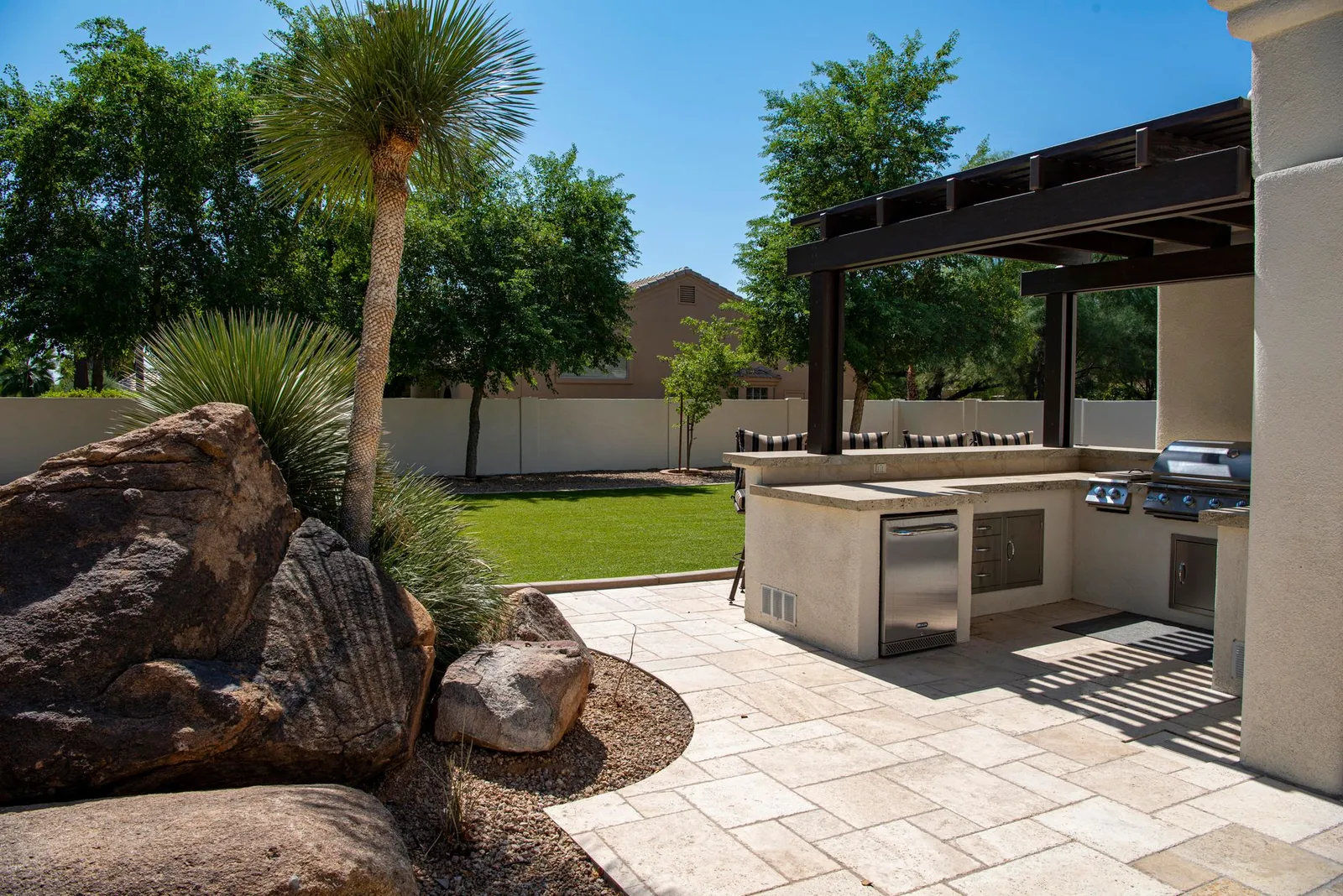
The most significant shift in how Americans use their homes over the past decade has been the genuine integration of outdoor space into daily life — not as a seasonal bonus but as a functional room. The best outdoor living space renovation trends in 2026 reflect this permanence: durable all-weather materials built to last decades, outdoor kitchens equipped for serious cooking, lighting systems that extend usability into evening hours, and design coherence that makes the transition from interior to exterior feel intentional. This guide covers what's worth doing and what it realistically costs.
Treat Outdoor Space Like a Room: The Core Principle
The single most important conceptual shift in outdoor design is thinking of your patio, deck, or backyard as a defined room rather than leftover space. This means:
- Zoning: identifying distinct areas for cooking, dining, lounging, and play — just as you'd distinguish a kitchen from a living room inside
- Anchors: every outdoor room needs a visual anchor — a dining table, a seating arrangement around a fire feature, a pergola structure
- Perimeter definition: the outdoor room feels more intentional when its boundaries are defined by a pergola, planting bed edges, a change in paving material, or a defined outdoor rug
- Design coherence with the interior: the most successful outdoor spaces extend the interior's design language — the same material palette, the same furniture quality standard, consistent finishes
Outdoor Kitchens: The High-Impact Investment
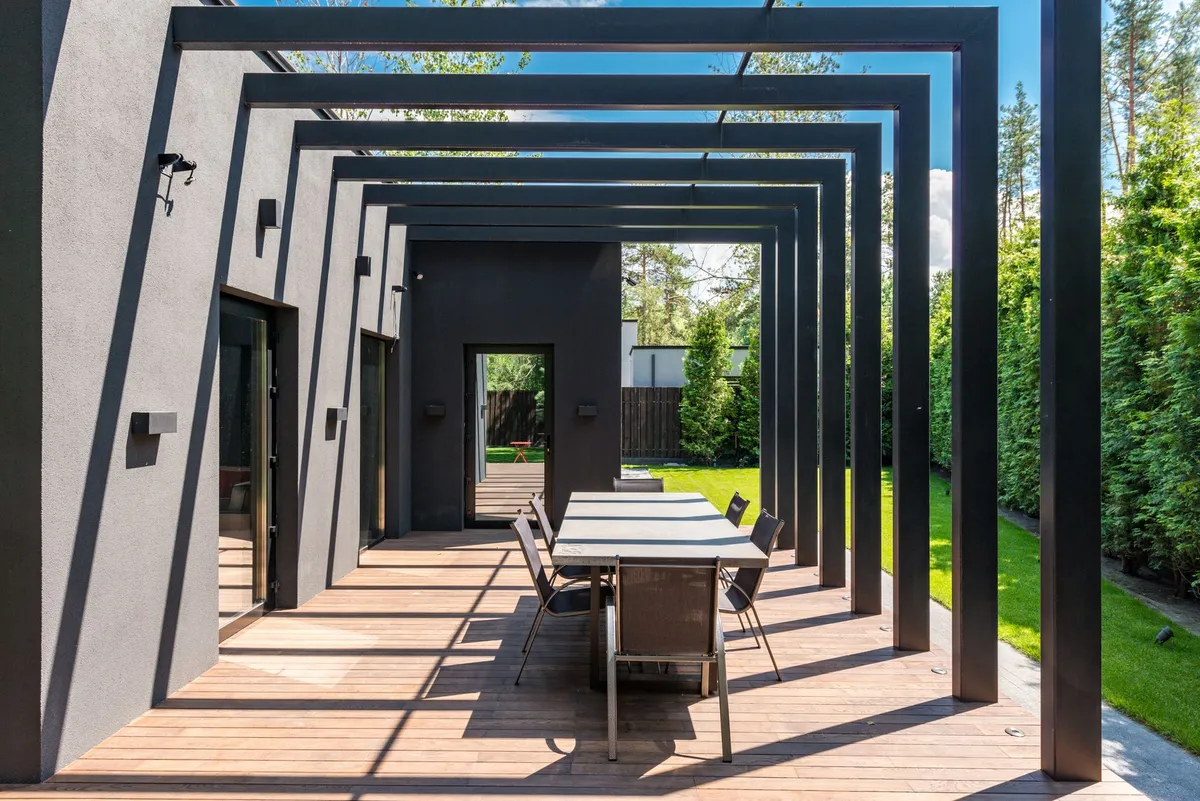
Outdoor kitchens remain the most aspirational and highest-return outdoor renovation for homes with appropriate climate and usage patterns. What an "outdoor kitchen" actually means spans a wide range:
- Entry-level: a built-in grill with countertop prep area and under-counter storage. Cost: $5,000–$12,000 installed. Functional and clean.
- Mid-range: built-in grill, side burner, refrigerator, sink with plumbing, bar seating, storage drawers in concrete or stone cabinet construction. Cost: $15,000–$35,000.
- Full outdoor kitchen: pizza oven, smoker, commercial-grade refrigerator, dishwasher, ice maker, integrated dining area. Cost: $40,000–$100,000+.
Material selection is critical for longevity. Marine-grade stainless steel, concrete block with stone veneer facing, and weathered ipe or teak are the materials that survive freeze-thaw cycles and UV exposure. Avoid wood-veneer cabinet systems marketed for outdoor use — they fail within seasons in most American climates.
Pergolas and Shade Structures: Extending the Season
A shaded outdoor space is used three to four times more than an unshaded one during summer months. The pergola remains the dominant outdoor shade structure because it offers filtered shade, architectural definition, and a mounting surface for lighting and climbing plants simultaneously.
Modern pergola options:
- Wood pergola (cedar or redwood): $5,000–$15,000 installed for a 12x16' structure. Beautiful, requires annual treatment. Traditional appearance.
- Powder-coated aluminum pergola: $6,000–$20,000 installed. No maintenance, clean modern profile.
- Motorized louvered pergola: $12,000–$35,000. Opens for sun, closes for rain. The fastest-growing outdoor structure category — genuinely transforms year-round usability.
- Attached covered patio addition: $20,000–$60,000 for a permanent attached roof with lighting and electrical. The highest-permanence solution.
Outdoor Flooring: Material Choices and Trade-offs
The floor material of an outdoor room establishes its texture, maintenance burden, and perceived quality more than any other single decision:
- Large-format porcelain paving tile: the dominant 2026 trend. 24x24" or 24x48" matte-finish stone-look porcelain. Frost-resistant, stain-resistant, minimal maintenance. Cost: $15–$40/sq ft installed.
- Natural stone (bluestone, travertine, slate): premium appearance, each piece unique, requires occasional sealing. Cost: $20–$50/sq ft installed.
- Concrete pavers: durable, replaceable if damaged, wide range of profiles. Cost: $8–$20/sq ft installed.
- Composite decking (Trex, TimberTech): the standard for raised deck surfaces. No annual staining, splinter-free, 25-year warranty on quality products. Cost: $30–$60/sq ft for full deck structure.
- IPE/hardwood decking: premium wood, extremely durable, requires annual oil treatment. Cost: $25–$45/sq ft for decking material alone.
Outdoor Furniture: What Quality Actually Means
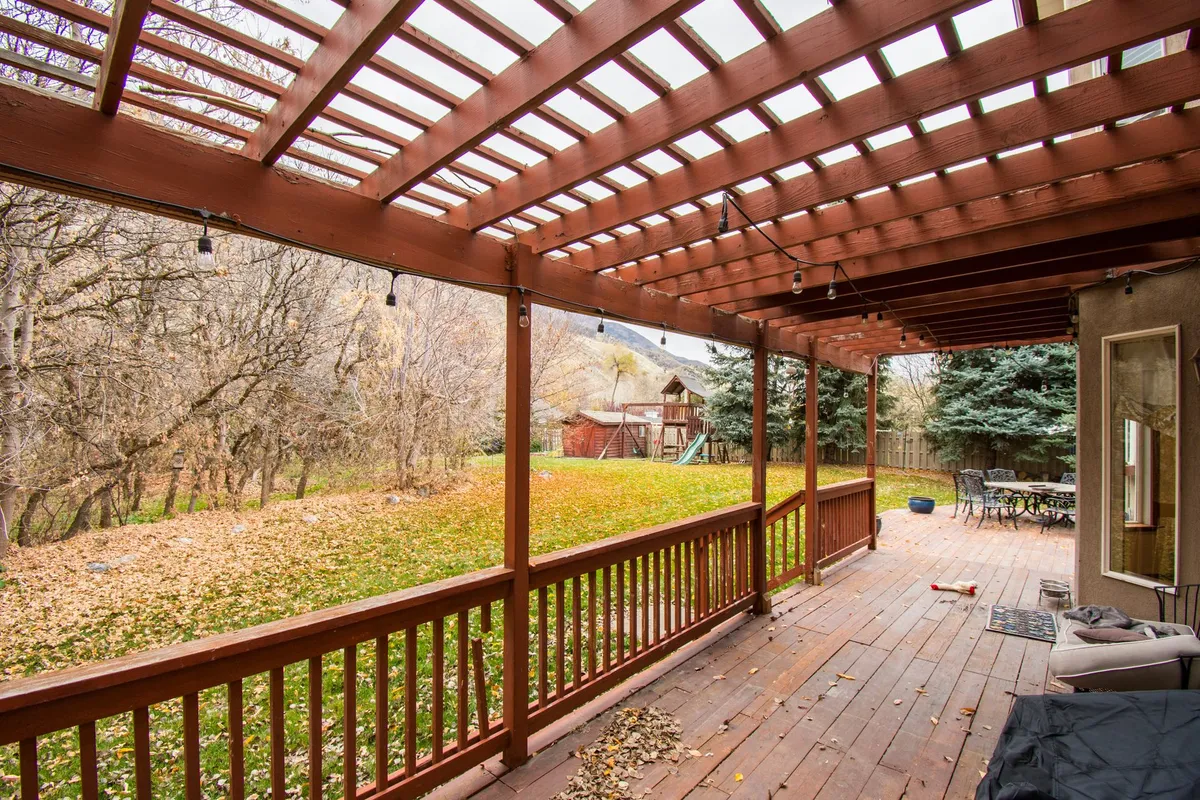
Outdoor furniture is one area where quality differentiation becomes immediately apparent after a few seasons. The materials that last:
- Teak: the gold standard for wood outdoor furniture. Dense, naturally weather-resistant, silver-grays over time or maintains warm color with annual oiling.
- Powder-coated aluminum: lightweight, rust-proof, wide range of quality profiles from budget to luxury. The most practical all-weather frame.
- All-weather synthetic wicker over aluminum frames: resists UV and moisture; practical for lounge seating.
- Concrete and stone accent tables: heavy but completely weatherproof; best treated as permanent fixtures.
Outdoor cushions should use Sunbrella or equivalent performance fabric rated for UV resistance and moisture — not indoor upholstery brought outside. The cushion fabric quality gap between budget and mid-range outdoor furniture is more significant than the frame quality gap.
Outdoor Lighting: The Year-Round Usability Multiplier
Properly lit outdoor spaces are used on twelve months of evenings; unlit spaces are used on five months of afternoons. Three layers to build:
- Overhead/structural: string lights across a pergola, recessed LED fixtures in a covered patio roof, chandelier-style outdoor pendants. Creates ambient atmosphere.
- Task lighting: grill area lighting, exterior sconces flanking doors, under-counter LED strips in outdoor kitchens.
- Accent and landscape: path lights, tree uplights, in-ground step lights. Creates depth and visual interest at ground level.
All fixtures must carry a UL outdoor (wet or damp) rating. Low-voltage LED landscape systems professionally installed cost $800–$3,000 and deliver the full three-layer effect without high operating cost.
Fire Features: The Social Centerpiece
A fire feature — wood-burning fire pit, gas fire table, or built-in gas fireplace — consistently becomes the social anchor of outdoor living spaces. Gas fire tables ($400–$3,000) are the most practical: no smoke, no ash, instant ignition, HOA-compliant in most jurisdictions. Built-in gas fireplaces integrated into an outdoor wall ($3,000–$8,000 installed) are permanent architectural elements that anchor an outdoor room the way an indoor fireplace anchors a living room.
The Sustainable Outdoor Design Shift
Sustainability has moved from a preference to a default in outdoor renovation planning. The most practical expressions:
- Native and drought-resistant plantings that eliminate irrigation demand after establishment
- Permeable paving that manages stormwater on-site rather than routing it to storm drains
- Solar-powered landscape lighting that eliminates electrical runs to remote garden areas
- Composite and recycled-content decking products that avoid old-growth timber sourcing
Realistic 2026 Budget Ranges
- Patio refinish/new pavers (200–400 sq ft): $3,000–$10,000
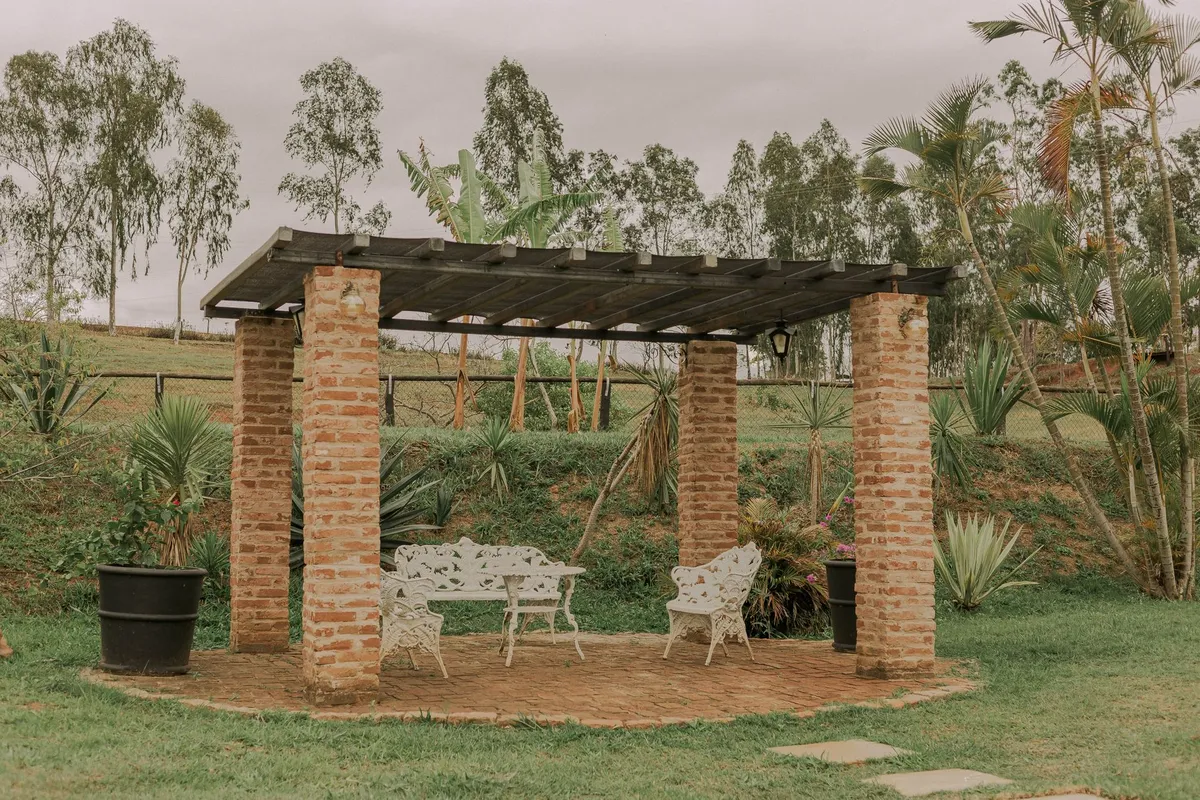
- Wood or aluminum pergola: $5,000–$20,000
- Composite deck replacement (300–500 sq ft): $12,000–$30,000
- Basic outdoor kitchen: $8,000–$20,000
- Full outdoor living space build (patio + pergola + kitchen + seating + lighting): $40,000–$100,000
For more renovation cost context, see our guides on kitchen renovation costs and living room renovation costs. To visualize interior style directions that will flow naturally outdoors, try a render at RoomRenovation.AI — design coherence between inside and outside is the mark of the best outdoor renovations. See current pricing to get started.
FAQ
What outdoor renovation adds the most home value in 2026? Outdoor kitchens and defined patio/deck spaces with pergola structures consistently add value in markets where outdoor living is desirable. ROI is strongest in the Sun Belt, coastal California, and Pacific Northwest, where the outdoor living season is longest.
How do I maintain outdoor furniture through winter? Quality teak and powder-coated aluminum can remain out through mild winters. In freeze-thaw climates, store cushions and covers indoors; stack or cover frames. Bring genuine wood furniture into covered storage if temperatures will stay below 20°F for weeks at a time.
Is a motorized louvered pergola worth the cost premium? For homeowners wanting to use outdoor space in light rain and control shade precisely, yes. The premium over a standard pergola is $5,000–$15,000 but the year-round usability difference is substantial, particularly in variable-weather markets like the Pacific Northwest, mid-Atlantic, and South.
What's the lowest-cost way to transform an outdoor space? Quality outdoor furniture ($600–$2,000 for a dining or lounge set), an outdoor rug ($100–$400), and string lights ($80–$200 self-installed) create genuine outdoor room atmosphere for under $3,000 — without any hardscape construction at all.