
Coastal Interior Design: Beach House Style Guide
Bring the beach home with coastal interior design. Ocean blues, sandy neutrals, and natural textures for breezy, relaxed interiors. Complete guide.
RoomRenovation.AI Team
Updated March 3, 2026

Coastal interior design draws from the sensory experience of living near water — the pale sand underfoot, the blue-green shift of the horizon, the bleached driftwood, and the way salt-air light softens everything it touches. Done well, it creates rooms that feel genuinely relaxed without sliding into kitschy nautical territory. Done poorly, it means starfish magnets and plastic ropes. This guide covers the real principles behind great coastal interiors and how to bring them into any room, whether you live two blocks from a beach or two thousand miles from one.
The Foundation: Understanding Coastal Color
The coastal palette is more nuanced than "blue and white." Real beach house interiors tend to work in three zones:
- Neutrals that anchor: warm white, warm sand (not bright cream), driftwood gray, bleached linen. These should dominate — walls, large upholstery, rugs.
- Blues that punctuate: navy works as a deep accent; seafoam and pale aqua read lighter; slate blue bridges warm and cool tones. Pick one or two, not all of them.
- Naturals that ground: unpainted wood, jute, rattan, sisal, linen. These prevent the palette from feeling sterile.
A common mistake is going too saturated with the blues. Coastal rooms feel breezy because the colors are desaturated and light-reflective — think weathered, not painted.

Natural Textures: The Soul of the Style
Coastal design lives or dies on texture. The visual complexity that makes these rooms feel rich and layered comes almost entirely from natural materials in close proximity:
- Jute and sisal rugs: the most reliable foundation in a coastal room. Layer a smaller printed rug on top for warmth.
- Rattan and cane furniture: chairs, pendant lights, side tables. Lighter in weight and visual density than upholstered pieces.
- Linen upholstery: slipcovers in natural linen are forgiving, washable, and get better-looking with age and wear.
- Weathered wood: whitewashed oak, cerused wood, driftwood-finished pieces. Avoid high-gloss finishes, which feel landlocked.
- Woven baskets: used for storage, blanket throws, plant holders — functional and textural simultaneously.
Furniture Selection for Coastal Spaces
Coastal furniture should feel informal and inviting, not stiff or precious. Low profiles, generous seat depths, and slipcovered upholstery signal that it's okay to sit down in a wet swimsuit. Key pieces to focus on:
- Sofas in performance linen or outdoor-grade fabric that handles humidity and UV without fading
- Coffee tables in whitewashed or natural wood — something that doesn't demand a coaster
- Rattan or wicker accent chairs that add lightness rather than visual weight
- Open shelving rather than closed cabinetry, so the room breathes
Scale matters in coastal rooms: generous, sprawling furniture feels right in large open-plan beach houses but overwhelms smaller spaces. In a compact living room, err toward lighter-scaled pieces and fewer of them.
Lighting in Coastal Interiors
Natural light is the star. The goal of every coastal interior is to maximize it:
- Keep window treatments sheer or eliminate them entirely where privacy allows
- Use white or pale surfaces that bounce light deeper into the room
- Choose rattan or woven pendant lights that cast dappled, diffused light rather than harsh direct illumination
- Layer table lamps and floor lamps for evening ambiance — warm-toned bulbs (2700K) mimic golden-hour light
Avoid recessed lighting grids as the sole source. Coastal rooms feel best with multiple lamp sources at varying heights, not top-lit uniformly.
Plants and Natural Elements
Living plants are integral to coastal interiors — they reinforce the connection to natural environments. Coastal-appropriate plants include: pothos, bird of paradise, fiddle-leaf figs, succulents, and large monstera. Pair them with simple terra-cotta or woven basket planters, never ornate ceramic pots.
Beyond plants, natural objects collected from real environments — worn sea glass in a clear bowl, a cluster of smooth stones on a shelf — add authenticity that purchased "coastal decor" items can't replicate.
Rooms That Work Best in the Coastal Style
While any room can take coastal cues, certain spaces particularly benefit:
Living rooms are where coastal design delivers its highest impact. Open floor plans, natural light, and relaxed seating create the signature breezy atmosphere.
Bathrooms translate exceptionally well: white subway tile, natural wood vanities, warm-toned stone, and linen towels create spa-like spaces that feel connected to the outdoors. See bathroom renovation costs for realistic budgets.
Bedrooms in the coastal style feel peaceful and uncluttered — white linen bedding, wood furniture, minimal decor, sheer curtains for morning light.
Want to see how coastal would look in your actual room? Try a render at RoomRenovation.AI before committing to any purchases.
What to Avoid in Coastal Design
The line between elegant coastal and seaside souvenir shop is thinner than people expect:
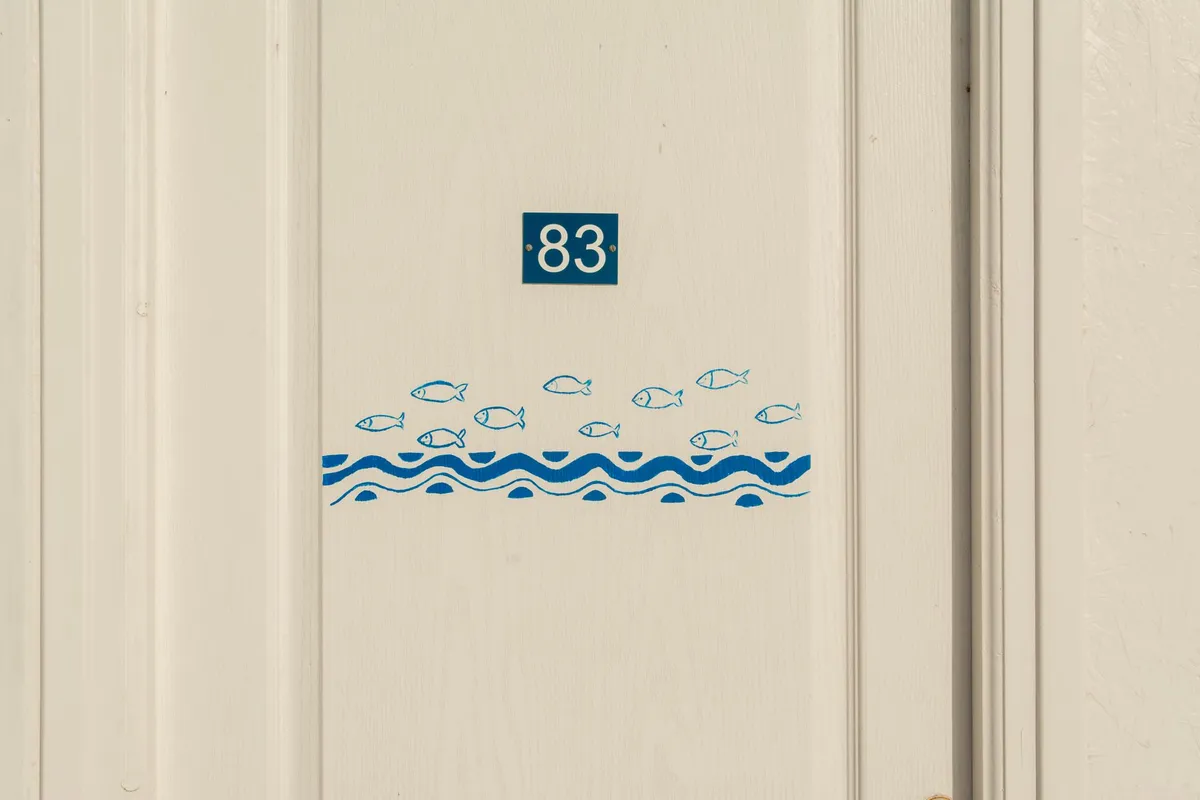
- Literal sea imagery: painted anchor prints, ceramic fish, starfish on everything. The style evokes the coast through materials and color, not through nautical illustration.
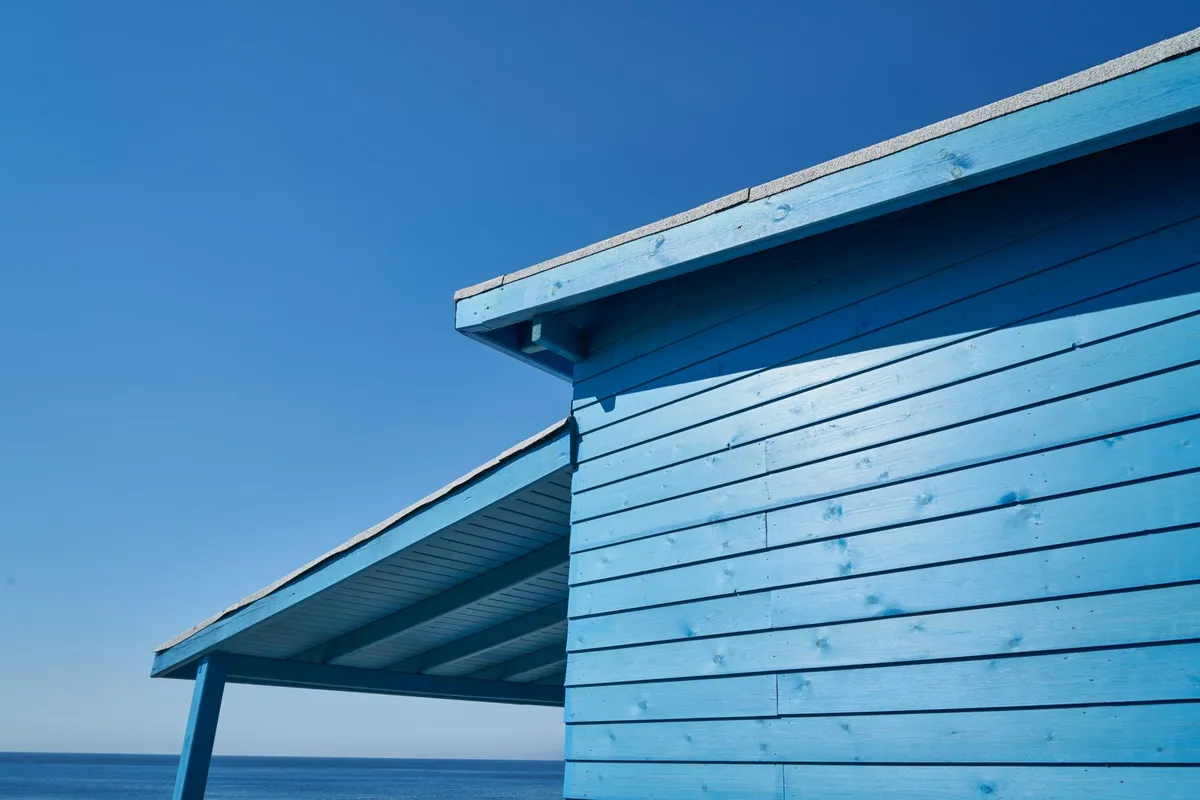
- Too much blue: when blue dominates the entire room, it stops reading as coastal and starts reading as a color scheme. Keep it as an accent.
- Glossy finishes: high-gloss furniture, lacquered surfaces, and ultra-polished floors are at odds with the weathered, natural materials that define the look.
- Dark window treatments: blackout curtains and heavy drapes fight against the light-filled quality that makes coastal rooms feel the way they do.
Adapting Coastal Design to Any Climate
You don't need ocean views for coastal design to work. The style is about evoking a sensory quality — lightness, calm, connection to natural materials — that travels well. In colder climates, layer in wool throws and add a fireplace as a focal point. In urban apartments, use paint color and natural textures to do the heavy lifting that architecture would in a beachfront home.
See how coastal style compares to other relaxed-living aesthetics on our design guides, or explore what it would look like in your space at the RoomRenovation.AI dashboard.
FAQ
What colors define coastal interior design? Coastal palettes center on warm whites, sandy neutrals, and desaturated blues (navy, seafoam, slate blue). Natural wood tones and jute anchor the palette and prevent it from feeling cold.
Is coastal design the same as nautical design? No. Nautical design is literal — rope accents, anchor motifs, navy and white stripes. Coastal design is more abstract, evoking the atmosphere of coastal living through materials, light, and color rather than maritime imagery.
Can coastal design work in small apartments? Yes, and it often works better than in large rooms. Light colors open up small spaces, and the minimal, airy quality of coastal design avoids the visual clutter that makes small rooms feel cramped.
How do I try coastal style in my room before buying anything? Upload a photo of your room to RoomRenovation.AI and generate a coastal render in seconds. You'll see exactly how the palette and furniture style translate to your actual space before spending anything.