
Bohemian Interior Design: Create Your Dream Boho Space
Learn how to create a beautiful bohemian interior. Eclectic patterns, layered textiles, and free-spirited style without the mess. Complete boho guide.
RoomRenovation.AI Team
Updated March 2, 2026
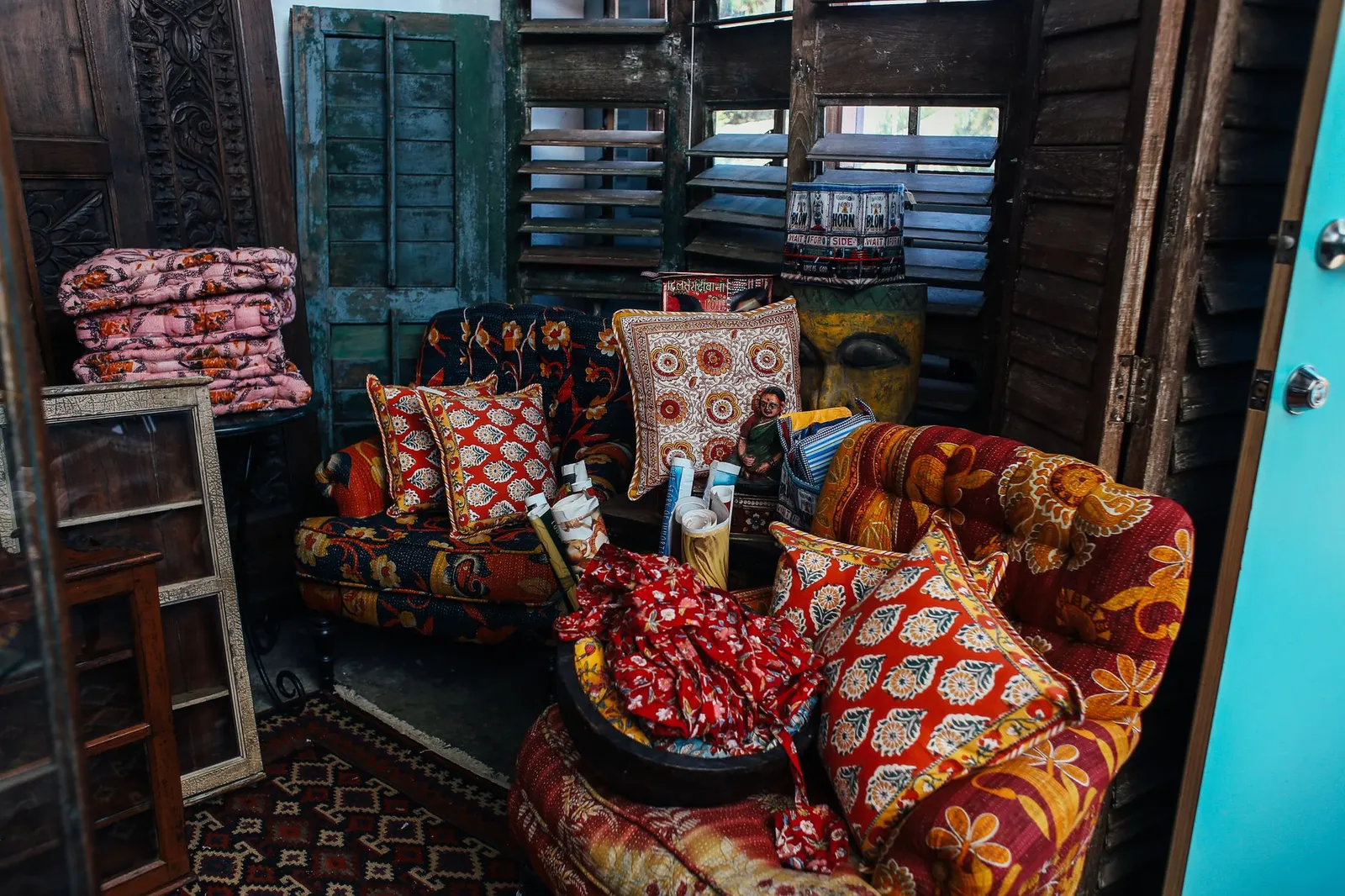
Bohemian interior design is one of those rare styles that rewards personality over perfection. A well-executed boho space tells the story of its owner — layered with globally sourced textiles, found objects, abundant greenery, and colors that feel simultaneously warm and unexpected. If you've ever walked into a room that felt impossibly lived-in and beautiful at the same time, chances are someone understood the bohemian aesthetic deeply. This guide breaks down exactly how to create that effect without it looking chaotic or accidental.
What Bohemian Interior Design Actually Means
The word "bohemian" originally described 19th-century artists, writers, and free thinkers who rejected social convention. That spirit translates directly into the design style: rules are suggestions, symmetry is optional, and beauty matters more than coordination. A boho room layers patterns without fear, mixes furniture eras without apology, and treats every object as a potential piece of art.
What separates intentional bohemian design from clutter is curation. Every item should feel chosen, not just accumulated. The collector's instinct is central — each rug, pillow, or ceramic carries meaning. When you understand that principle, the style becomes easier to execute and much harder to get wrong.
The Bohemian Color Palette
Boho spaces typically anchor themselves in warm neutrals — terracotta, sand, warm white, and camel — then layer in jewel tones and earthy brights. Rust orange, sage green, deep teal, berry, and mustard yellow all coexist beautifully in a bohemian room. The key is establishing a dominant warm neutral base so the more saturated colors read as accents rather than competing focal points.
- Base tones: Warm white, linen, sand, unbleached cotton, raw wood
- Mid tones: Terracotta, ochre, sage, dusty rose
- Accent tones: Deep teal, indigo, burnt sienna, forest green
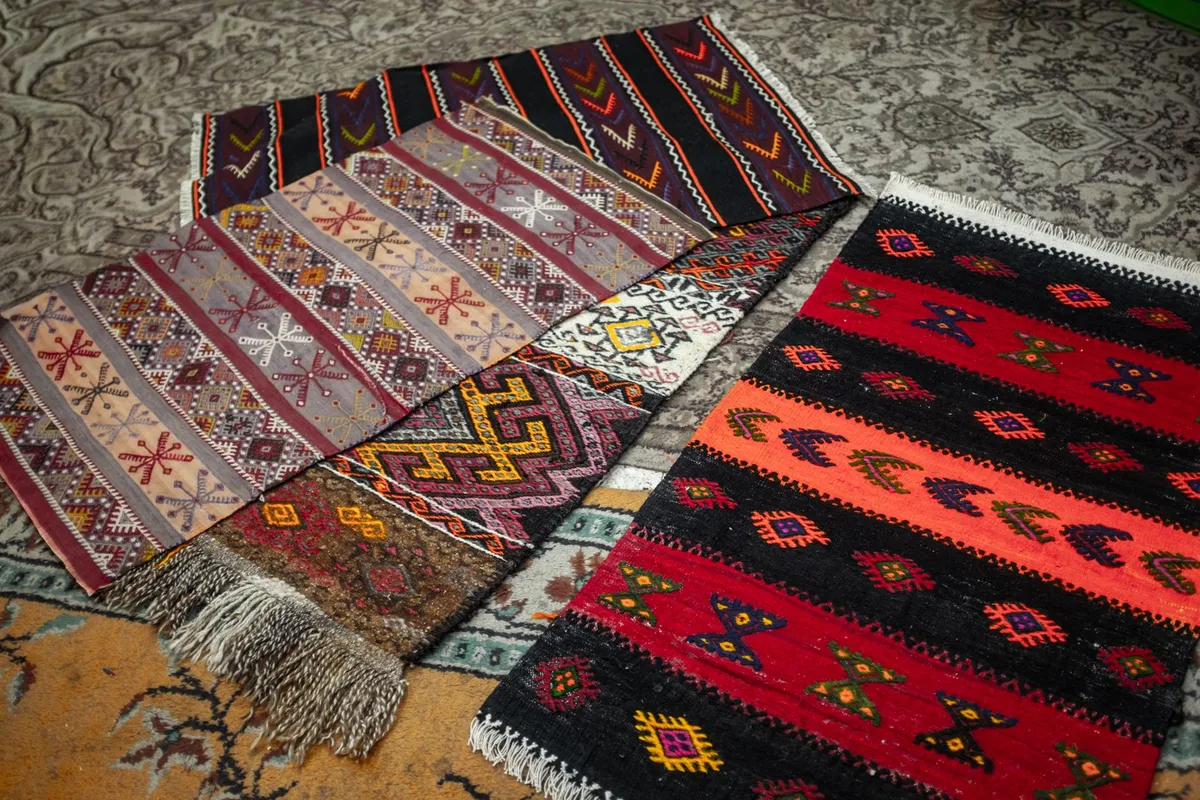
One reliable technique: pull your palette from a single patterned rug or kilim. If every other textile and accent nods to colors already present in that rug, the room will feel intentionally cohesive even as patterns multiply.
Textiles: The Foundation of Bohemian Design
No element defines a boho interior more than textiles. They do double duty — adding color and pattern while also making a space feel physically soft and inviting. The goal is deliberate layering: a Persian or Moroccan rug as the base layer, throw blankets casually draped over seating, an array of pillows in mixed fabrics and sizes, and wall hangings or macramé adding vertical interest.
Key Textile Types to Include
- Area rugs: Kilim, Moroccan Beni Ourain, Persian flatweave, or jute
- Throw pillows: Mix embroidered, printed, and textured covers; aim for odd numbers
- Blankets and throws: Chunky knit, fringe-edged, or vintage-style woven
- Curtains: Sheer linen or macramé panels filter light beautifully
- Wall hangings: Woven tapestries, macramé, or vintage textile art
Don't be afraid to layer two rugs — a large natural-fiber rug underneath with a smaller patterned rug centered on top is a classic boho move that adds depth and warmth simultaneously.
Furniture: Mixing Eras and Materials
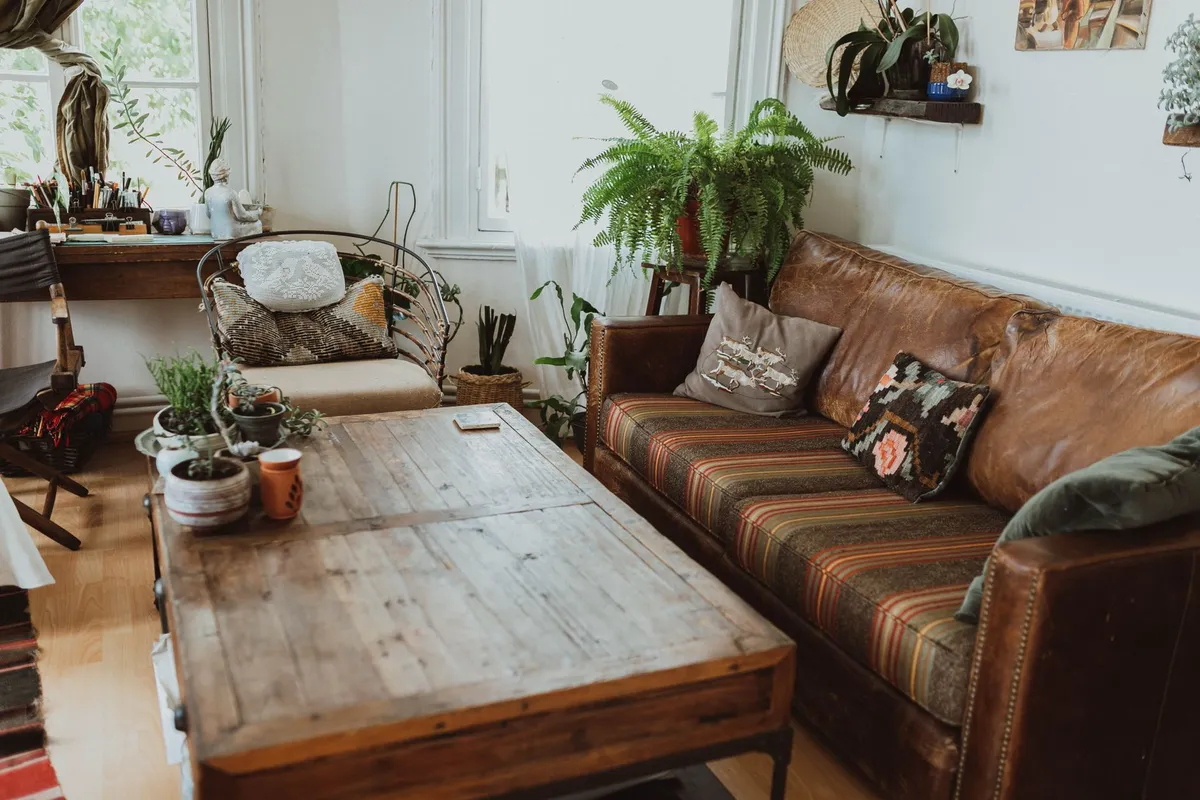
Bohemian furniture is deliberately eclectic. A rattan peacock chair next to a tufted velvet sofa next to a raw-edge wood coffee table sounds like it shouldn't work — and yet it does, when the pieces share a warm color family and human scale. Low seating is especially characteristic of the style: floor cushions, poufs, low-profile sofas, and Moroccan-inspired ottomans encourage a relaxed, communal feeling.
Materials That Define the Boho Look
- Natural fibers: Rattan, wicker, jute, seagrass, bamboo
- Raw and reclaimed wood: Visible grain, natural knots, warm finishes
- Metals: Brass, copper, and bronze (not chrome or nickel)
- Velvet and linen: For upholstered pieces in rich or muted tones
Vintage and thrifted pieces are not just acceptable in bohemian design — they're ideal. A mid-century dresser repainted in a warm color, a brass lamp with a history, or an heirloom side table all carry the authenticity the style requires. If you want to preview how vintage and natural-material furniture would look in your actual room before buying, try a free AI room render first.
Plants: Non-Negotiable in a Boho Space
If textiles are the foundation of bohemian design, plants are its soul. Abundant, varied greenery transforms a styled room into a living environment. The boho approach to plants isn't minimalist — it's maximalist. You want trailing pothos cascading from a shelf, a substantial fiddle-leaf fig in a wicker basket, air plants in ceramic holders, and herbs on the windowsill. Every sill, corner, and surface is a planting opportunity.
Good low-maintenance options for boho rooms include pothos, snake plants, monstera deliciosa, spider plants, and succulents. The containers matter as much as the plants themselves: terracotta pots, macramé plant hangers, woven baskets, and ceramic vessels in earthy tones all reinforce the aesthetic.
Art, Collections, and Wall Arrangements
Bohemian walls are rarely bare. Gallery walls with a mix of framed prints, woven hangings, mirrors with decorative frames, and pinned ephemera are characteristic of the style. The arrangement doesn't need to be perfectly symmetrical — bohemian gallery walls often feel more organic, with varying frame sizes and spacing that looks curated-yet-casual.
Collections displayed openly add authenticity: vintage books stacked with spines showing, ceramic vessels grouped by height, crystals or stones arranged on a shelf, or a collection of hats hung on hooks. The principle is that objects you love deserve to be seen.
Lighting for a Bohemian Room
Harsh overhead lighting is the enemy of a successful boho space. The goal is layered, warm light that feels intimate and atmospheric. Lantern-style pendants in rattan or metal, string lights woven through a canopy or along a ceiling beam, floor lamps with warm-toned bulbs, and candles in varied holders all contribute to the right mood. Dimmer switches are worth the installation cost in any room you want to feel genuinely bohemian.
Color temperature matters: choose bulbs in the 2700K range (labeled "warm white") rather than daylight bulbs. The warm cast reinforces the earthy, cozy quality the style requires.
Visualizing Your Boho Room Before You Commit
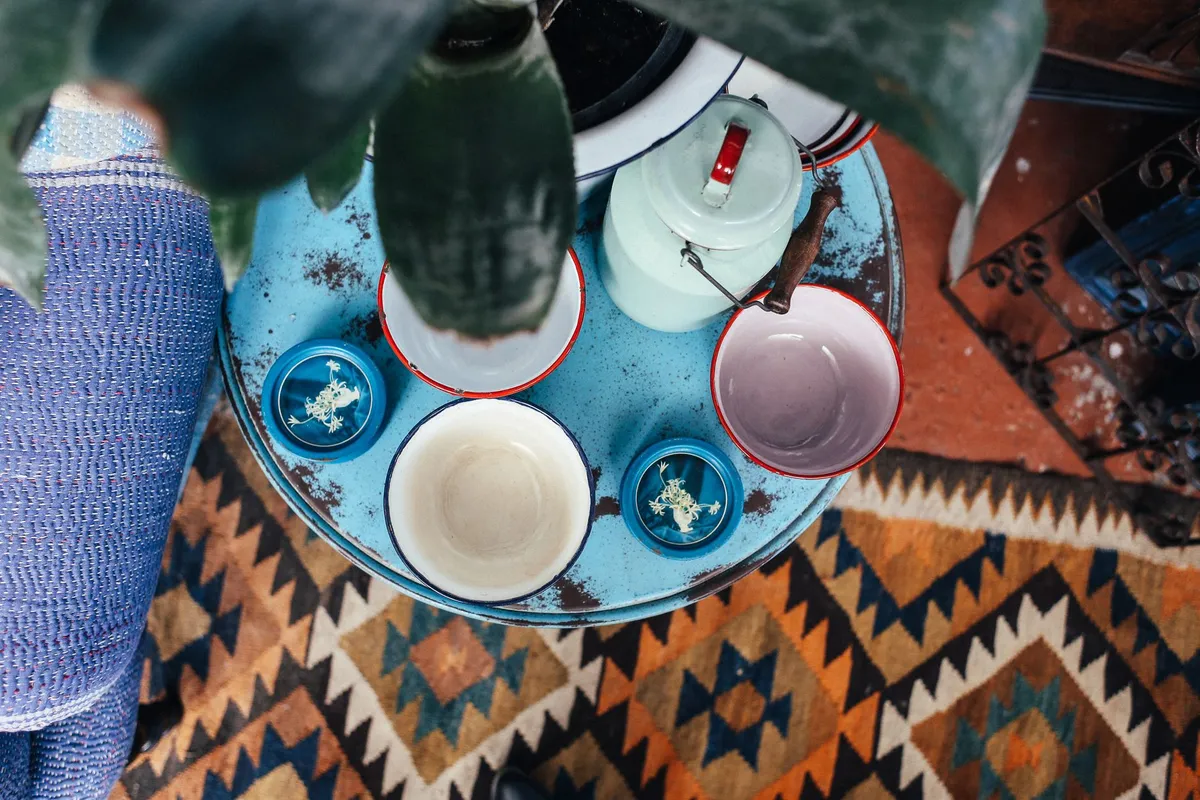
One of the most practical challenges with bohemian design is that the layered, maximalist quality makes it hard to plan on paper. You might love individual pieces but struggle to predict how a new rug interacts with existing textiles, or whether a peacock chair will visually overwhelm a small corner.
This is where AI visualization becomes genuinely useful. Upload a photo of your current room to the RoomRenovation.ai dashboard, select a bohemian style direction, and see your actual space reimagined with the layered textures, plants, and warm palette the style demands. It's a low-stakes way to test whether your existing furniture reads as "boho foundation" or needs to be replaced. You can also browse transformation examples for rooms that started similar to yours.
Common Bohemian Design Mistakes
Even with good intentions, a few missteps are common when approaching this style:
- Too many competing focal points: One or two statement pieces anchor a room; a dozen fight each other
- Ignoring scale: Tiny pillows on a large sectional, or an undersized rug that floats in the center of a room, undermine the layered feeling
- Skipping the neutrals: All-pattern, all-saturated color without a neutral base reads as chaotic rather than collected
- Synthetic materials: Plastic, chrome, and synthetic fabrics clash visually with the natural-material quality of authentic boho design
- Forgetting function: Beautiful chaos still needs to accommodate real life — seating, storage, and circulation paths matter
Room-by-Room Bohemian Approaches
Boho Living Room
The living room is the best place to commit fully. A statement rug, low sectional or loveseat with abundant pillows, a gallery wall, multiple plants, and layered lighting — this room can absorb the most textile and pattern. See living room ideas for starting points.
Boho Bedroom
Bedrooms benefit from a canopy or dramatic headboard as an anchor, then layers of bedding in mixed patterns, side tables with personal objects displayed, and low hanging pendants or string lights for atmosphere. Browse bedroom transformation ideas for inspiration.
Boho Kitchen and Dining
Open shelving for ceramics and plants, a pendant light in rattan or brass, and an eclectic mix of chairs around a raw-wood table bring the bohemian spirit into more functional spaces. The kitchen room guide covers how AI visualization handles these practical-meets-aesthetic spaces.
FAQ
Is bohemian design hard to pull off in a small space? No — boho can actually work well in small rooms because the layering fills vertical space, making a room feel lush rather than cramped. Focus on one statement rug, a few key plants, layered lighting, and well-chosen textiles rather than volume of furniture.
How do I start a bohemian room without buying everything at once? Begin with a rug as your palette anchor, then add throw pillows, a plant or two, and a wall hanging. Layer in pieces gradually over time. The style actually improves with accumulation rather than requiring a single shopping haul.
What's the difference between bohemian and maximalist design? Both embrace abundance, but bohemian design has a specific material vocabulary (natural fibers, global textiles, warm earth tones) and an ethos rooted in travel, art, and personal collection. Maximalism is a quantity approach; boho is a cultural and material approach.
Can I mix bohemian with other design styles? Absolutely. Boho blends particularly well with Scandinavian minimalism (often called "Scandi-Boho") and with industrial design — the warmth of boho textiles softens industrial rawness effectively.
How do I prevent a bohemian room from looking messy? Every item should earn its place. Edit ruthlessly — if something doesn't carry meaning or beauty, remove it. Clean sight lines between pieces (negative space on shelves, breathing room around furniture) prevent the style from tipping into visual noise.