
Industrial Interior Design: From Lofts to Living Rooms
Master industrial interior design for any space. Exposed brick, metal accents, and warehouse aesthetics adapted for modern homes. Complete style guide.
RoomRenovation.AI Team
Updated February 5, 2026
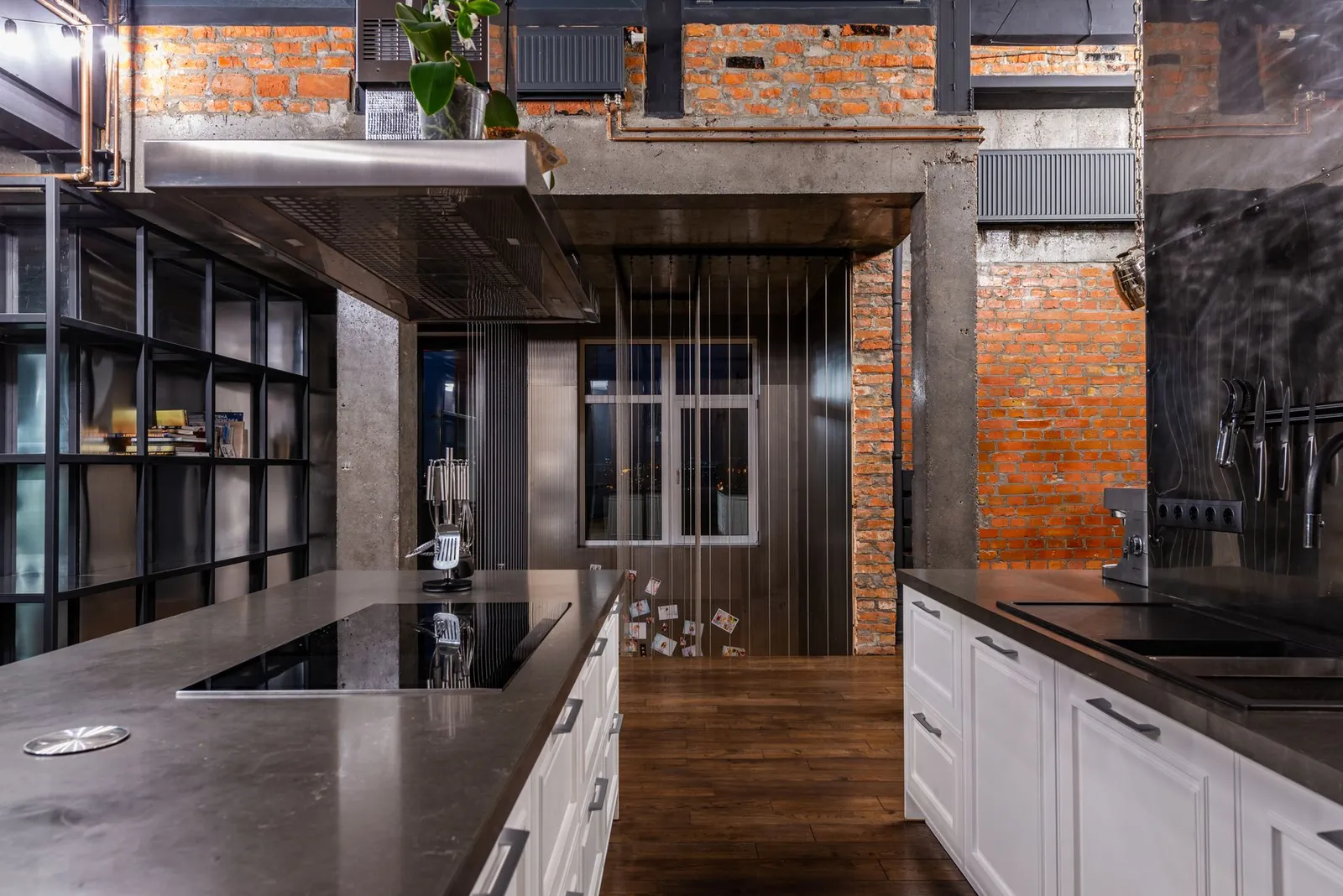
Industrial interior design has moved well beyond the converted warehouses and Brooklyn lofts that made it famous. Today, the aesthetic — characterized by exposed structural elements, raw materials, and a deliberate lack of polish — shows up in suburban ranch houses, urban condos, and even family kitchens. Understanding its principles lets you apply it selectively, or commit fully, without your space looking like an abandoned factory.
What Defines Industrial Interior Design?
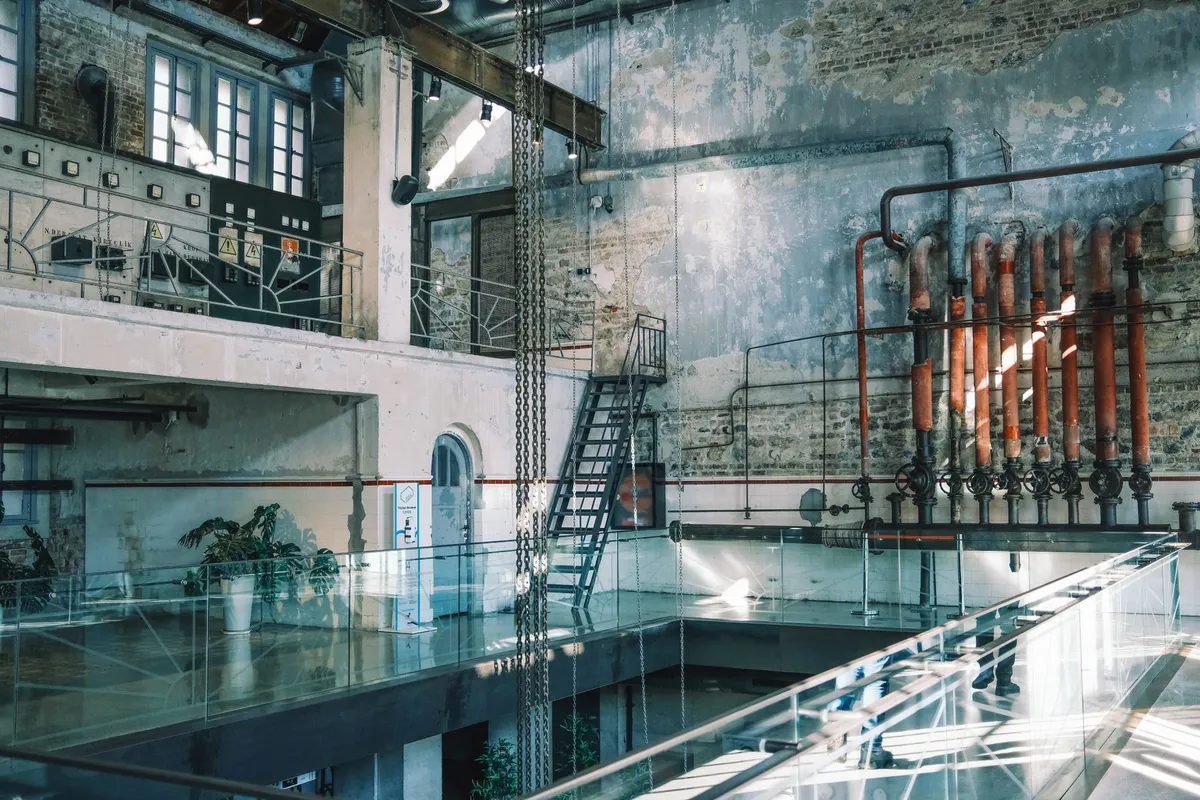
The style draws its vocabulary from early 20th-century American manufacturing buildings: cast-iron columns, rough-sawn timber, brick walls left unpainted, and corrugated metal ceilings. Interior designers adapted these industrial bones into livable spaces starting in the 1970s and 1980s, and the look has remained relevant because it pairs honesty of materials with visual warmth — two qualities that resonate in an era of oversaturated, trend-driven décor.
Core Elements
- Exposed brick or concrete: The foundation of most industrial rooms. Real brick is ideal, but textured panels and limewash finishes achieve a similar effect on drywall.
- Metal accents: Matte black, gunmetal, and brushed steel appear in light fixtures, shelving brackets, stair railings, and cabinet hardware.
- Reclaimed wood: Salvaged timber for dining tables, floating shelves, and ceiling beams softens the coolness of metal and concrete.
- Open ceilings: Ductwork, conduit, and structural beams left visible rather than hidden behind drywall.
- Large, steel-framed windows: Crittall-style or black-framed glass partitions that reference factory glazing.
Industrial Design by Room
Living Rooms and Open-Plan Spaces
An industrial living room works best when it mixes raw textures with deliberate comfort. A leather sofa in cognac or charcoal, a poured-concrete coffee table, and Edison-bulb pendants hung from a weathered beam create the right tension between hardness and hospitality. Layer in wool throws, a jute rug, and artwork in reclaimed frames to prevent the space from feeling cold. The living room is the most forgiving canvas for industrial styling because it accommodates the contrast of rough surfaces and soft furnishings so naturally.
Kitchens
Industrial kitchens favor open shelving over upper cabinets, stainless-steel appliances (professional ranges especially), concrete or butcher-block counters, and subway tile in matte or glossed black grout. Pendant lights over an island in cage or wire-cage styles reinforce the factory aesthetic. Exposed shelving creates a more authentic look than all-closed cabinetry, and it forces a discipline on what you keep visible — a functional bonus. See the kitchen design guide for complementary layout ideas.
Bedrooms
Industrial bedrooms call for restraint. An upholstered bed frame in charcoal linen or a low platform in dark walnut works against an exposed-brick feature wall. Bedside tables can be former factory stools, wire mesh side tables, or pipe-leg designs. Keep textiles warm — linen, cotton, sheepskin throws — and avoid decorative clutter. A single exposed-bulb wall sconce on each side of the bed is more fitting than a chandelier. More ideas at the bedroom design hub.
Color Palette and Materials
Industrial color palettes stay mostly neutral: charcoal, slate gray, off-white, warm beige, and natural wood tones. The materials do most of the chromatic work — brick adds terracotta, copper pipe adds warmth, reclaimed wood brings variation. Accent colors, when used, tend toward muted tones: forest green, navy, or rust rather than primaries. Avoid bright whites, which read more Scandinavian than industrial, and high-gloss surfaces, which clash with the aesthetic's inherent roughness.
Lighting in Industrial Spaces
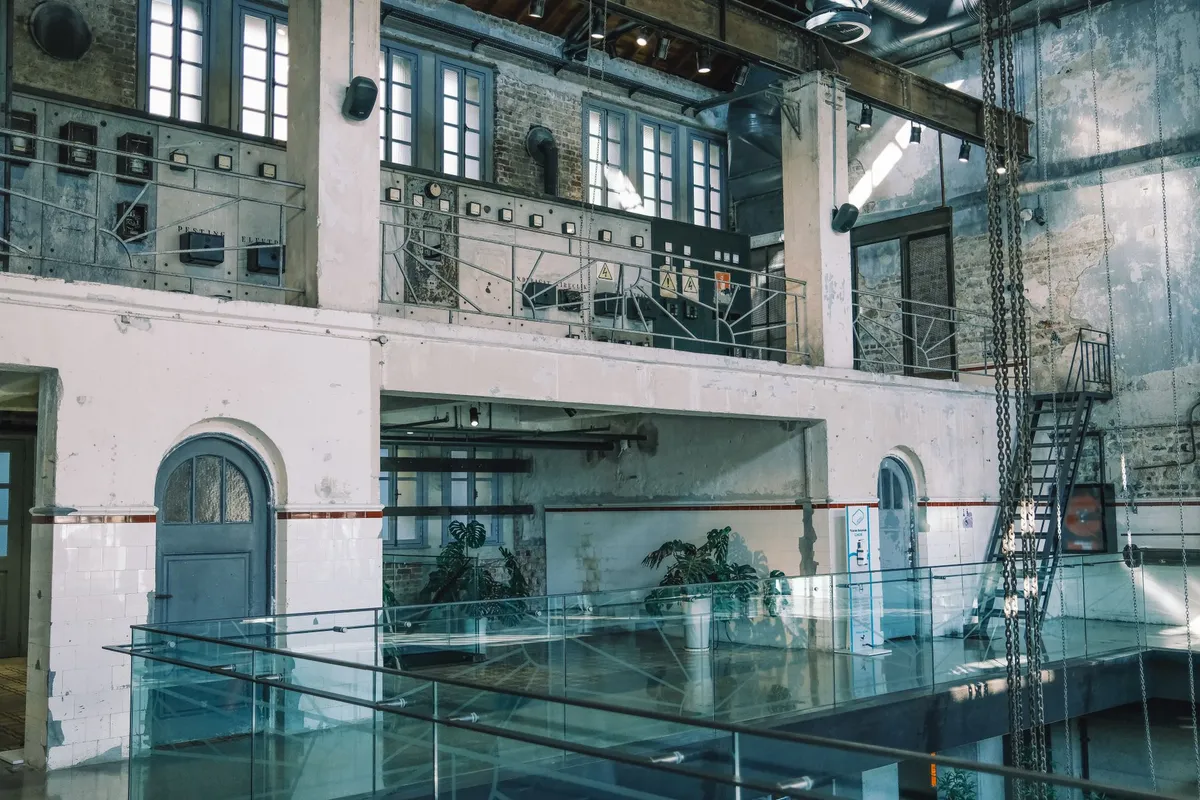
Lighting is where industrial design has its most recognizable signature. Edison filament bulbs, cage pendants, factory-arm wall sconces, and bare-bulb track lighting all fit. The key is to expose the fixture mechanism rather than conceal it — industrial lighting celebrates its hardware rather than hiding it behind a shade. Dimmer switches are worth the investment; the same exposed-bulb pendant that feels dramatic at full brightness becomes genuinely romantic at 40%.
Mixing Metals Without Chaos
Industrial rooms often mix metals, which is acceptable when you follow a few rules. Choose one dominant metal — matte black is the most versatile — and use one secondary metal (brushed brass or copper) for accents only. Consistent finish families matter more than matching metals exactly. Shiny chrome alongside matte black rarely works; brushed nickel alongside matte black usually does.
Industrial Meets Modern: The Hybrid Approach
Pure industrial can overwhelm a family home. The more livable version — often called "industrial modern" or "contemporary industrial" — keeps the material palette but swaps some harder elements for cleaner lines. Concrete floors get area rugs. Open ductwork appears only on one ceiling zone. Metal shelving holds curated objects rather than utilitarian storage. This approach lets you adopt the style without committing to its full austerity.
If you want to see exactly how industrial design would look in your specific room before spending a dollar on materials, try a free AI room render. Upload your photo, select the Industrial style, and get a photorealistic preview in seconds.
Sourcing Industrial Materials and Furniture
Authentic industrial pieces — salvaged factory lights, reclaimed barn doors, steel pipe shelving — are available through architectural salvage yards, estate sales, and specialist vintage dealers. Expect to pay $150–$600 for a quality salvaged pendant cluster, $400–$1,200 for a reclaimed-wood dining table, and $80–$250 per linear foot for brick veneer panels. Mass-market retailers including West Elm, CB2, and IKEA carry credible industrial-inspired pieces at lower price points, though they lack the patina of genuine salvage. Mixing both is the practical approach for most renovations. For professional guidance on exploring the industrial style in more depth, see the full style reference.
Common Mistakes to Avoid
- Over-darkening the space: Industrial materials absorb light. If your room lacks natural light, add layered artificial lighting before darkening walls or floors.
- Skipping soft textures: A room of nothing but metal and concrete will feel institutional. Introduce soft furnishings early in the design process.
- Treating it as a theme: Industrial is a material aesthetic, not a novelty decoration. Avoid industrial-themed accessories (gear clocks, faux-vintage signs) in favor of genuine materials.
- Ignoring acoustic implications: Hard surfaces amplify sound. Area rugs, upholstered furniture, and curtains are functional necessities, not just style choices.
Visualizing Industrial Design with AI
One of the most practical uses of AI room design tools is style exploration before committing to irreversible changes. Removing a wall, installing polished concrete floors, or painting brick all require real money and real effort to undo. Using RoomRenovation.ai, you can upload a photo of your current room and preview how industrial styling — exposed brick, open shelving, cage lighting — would actually look in your specific space, with your room's proportions and natural light. The visual confirms or redirects your instincts before a single dollar is spent.
FAQ
Can industrial design work in a small apartment? Yes, but edit carefully. Choose one or two industrial elements — a brick-effect wall, black-framed mirror, metal pendant — rather than all of them. Too many raw textures in a small space creates visual noise rather than character.
Is industrial interior design expensive to achieve? It varies widely. Authentic salvage pieces are genuinely expensive. But painted concrete floors, limewash walls, and pipe shelving brackets are among the most affordable DIY projects in interior design, so the style is actually accessible at multiple budget levels.
What furniture styles pair best with industrial design? Mid-century modern pieces — especially those in leather, walnut, or steel — work exceptionally well alongside industrial elements. Scandinavian minimalism also complements, though it softens the aesthetic considerably.
How do I add warmth to an industrial room? Layer in natural textiles (wool, linen, jute), introduce plants, use warm-toned light bulbs (2700K–3000K), and add reclaimed wood elements. These counterbalance the coolness of metal and concrete without abandoning the style's core vocabulary.
Can industrial design coexist with color? Yes. Deep, saturated colors — forest green, navy, burgundy — can anchor a feature wall in an industrial room without conflicting with the material palette. Avoid pastels and brights, which read as incongruent.