
Modern Minimalist Interior Design: Ideas & AI Visualization
Explore modern minimalist interior design with AI visualization. Clean lines, neutral palettes, and intentional simplicity. See the style in your room.
RoomRenovation.AI Team
Updated January 18, 2026
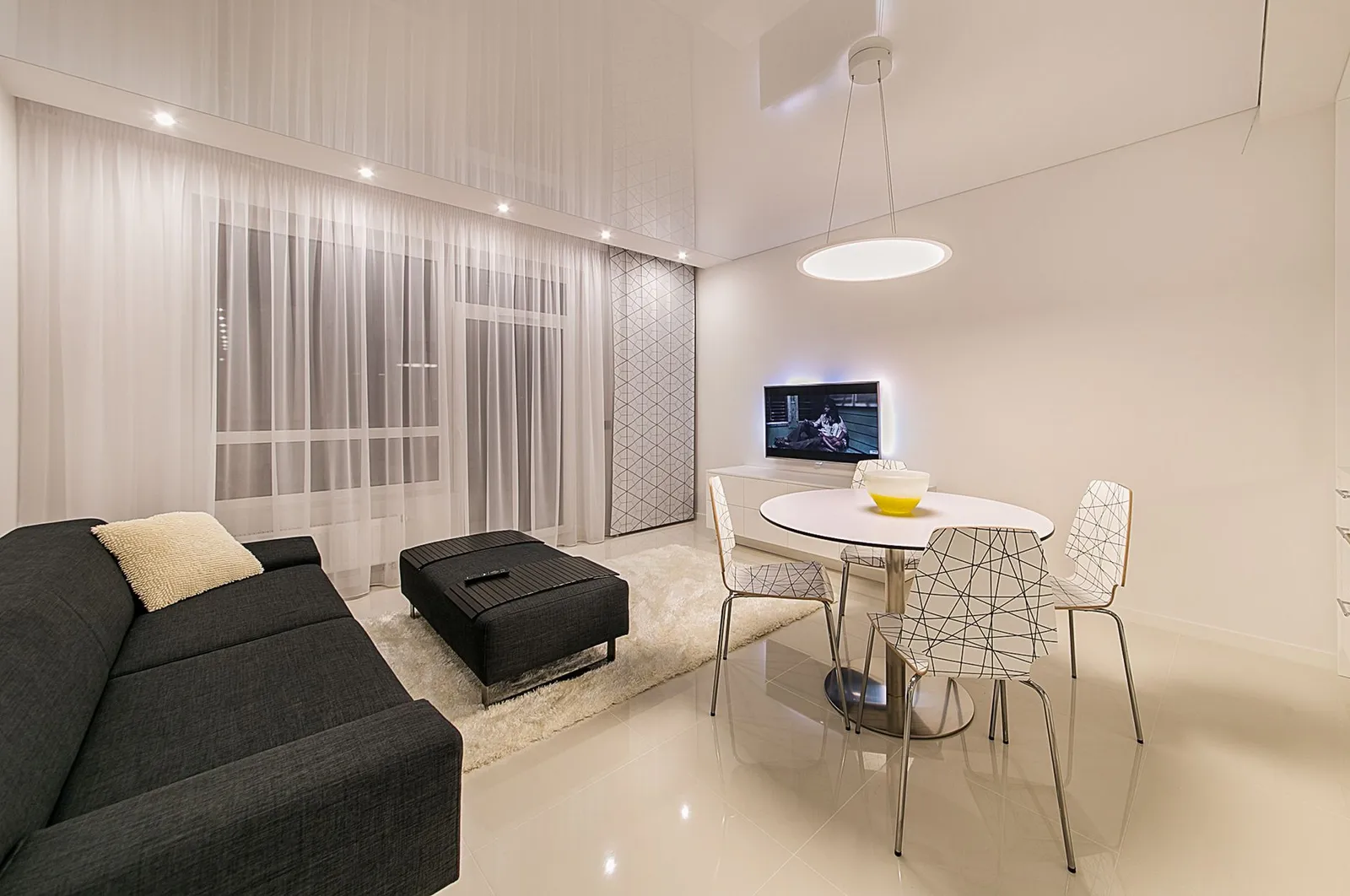
Modern minimalist interior design is one of the most searched and most misunderstood aesthetics in residential interiors. At its core, minimalism is not about owning as little as possible — it is about choosing each element with enough intention that nothing competes for attention. When applied to a modern home, the result is rooms that feel larger, calmer, and cleaner than their square footage suggests.
What Defines Modern Minimalist Design
The style blends the rigor of the International Style with the warmth that makes spaces livable. You get clean geometric lines, low-profile furniture, and a strict restraint on decorative objects — but the palette typically stays in warm neutrals rather than sterile white, and natural materials soften what could otherwise feel clinical.
Four qualities mark a genuinely minimalist room:
- Deliberate negative space. Empty wall sections and open floor area are design features, not unfinished corners.
- Neutral or monochromatic palette. Off-whites, greiges, warm taupes, and occasional muted earth tones. Accent colors are used sparingly — a single matte olive cushion, one piece of art.
- Hidden or integrated storage. Clutter breaks the look immediately. Built-in cabinetry with flush push-to-open hardware keeps surfaces clear.
- Quality over quantity in furniture. One well-proportioned sofa reads better than three mismatched pieces.
Color Palette Strategy
Minimalism succeeds or fails on its palette. The most livable minimalist interiors use a 60-30-10 split with low-contrast values across all three tiers. The dominant 60% might be warm white walls and ceiling. The 30% layer is natural wood flooring or linen upholstery. The accent 10% is a single dark tone — charcoal hardware, a black picture frame, one terracotta vase.
Avoid cool grays in warmer climates or south-facing rooms: they read as institutional rather than serene. Warm undertones (SW Alabaster, BM White Dove, Farrow & Ball Pointing) age far better and photograph well for listings.
Furniture Selection and Scale
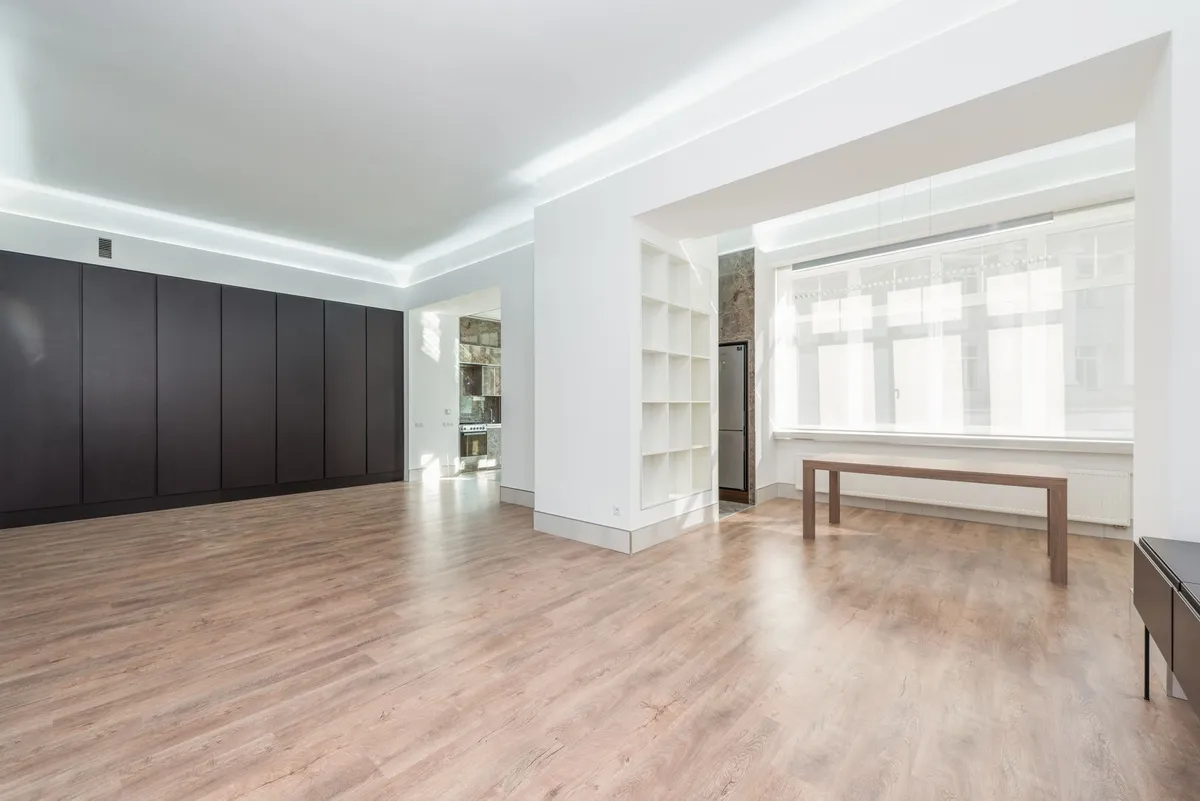
Scale is the most common mistake in minimalist rooms. Low-slung furniture — sofas below 28 inches in seat height, coffee tables that sit 2–4 inches below the sofa seat — keeps the eye moving horizontally, which makes ceilings feel taller. Legs matter: furniture with visible legs (tapered wood, slim matte black steel) reads lighter than fully skirted pieces.
The rule for quantity: if you could remove one piece and the room would still function, consider removing it. This is particularly true of occasional chairs and side tables. One considered accent chair near a window beats two average ones scattered around the room.
Flooring That Works With the Style
Wide-plank light oak flooring (5- to 9-inch planks) is the default in minimalist interiors for good reason: the minimal graining and pale tones unify a space without pattern competition. Concrete and polished stone work in larger rooms with higher ceilings. Avoid high-gloss finishes — they show every footprint and fragment the calm atmosphere.
Area rugs in minimalist rooms should be large enough to anchor the furniture group (front legs at minimum on the rug) and simple in texture. A flat-weave wool or a subtle cut pile in a tone close to the floor extends the unified look.
Lighting in a Minimalist Interior
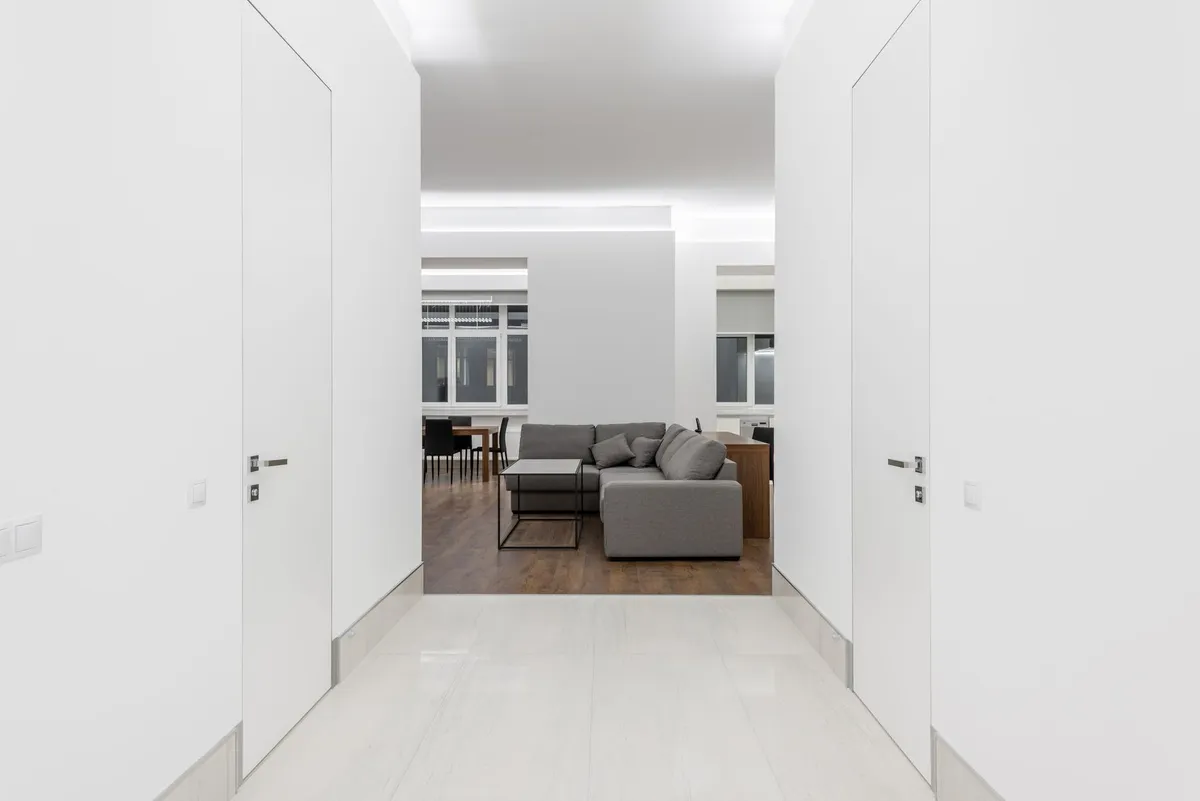
Minimalist lighting design hides the fixture and shows the light. Recessed LED downlights on a dimmer are the workhorse layer. Add one statement pendant over a dining table or kitchen island — something with architectural form (concrete, blown glass, raw steel) rather than decorative character. Wall-wash sconces that graze textured plaster or exposed brick add warmth without adding objects.
Natural light is the goal. Keep window treatments simple: linen roller shades or sheer linen panels that puddle slightly at the floor. Avoid layered curtain treatments; they read as fussy against a clean aesthetic.
Textures That Add Warmth Without Clutter
The critique of minimalism — that it feels cold — usually points to a texture problem, not a quantity problem. In a room with only smooth surfaces, there is nothing to absorb sound or hold warmth. Layer at least three distinct textures: a matte plaster or limewash wall finish, natural fiber upholstery, a woven or looped-pile rug, and some raw wood grain. That combination delivers warmth without visual complexity.
Linen is the minimalist's fabric: it wrinkles, breathes, and ages in ways that feel intentional rather than worn. Use it for cushion covers, bed linens, and window panels.
How AI Visualization Helps You Design Minimalist Rooms
The challenge with minimalism is that small changes matter enormously. Moving a sofa six inches, replacing one lamp, or shifting the wall color two shades warmer can transform the feel of a room. That sensitivity makes it an ideal candidate for AI visualization before any physical commitment.
With RoomRenovation.AI's free room render, you upload a photo of your actual space and test the modern minimalist style against it before buying a single piece of furniture. You can check whether your existing flooring reads warm enough, whether your ceiling height supports low-profile sofas, and which neutral palette works with your natural light — all without paint samples or showroom trips. If you want to explore several directions, the full dashboard lets you compare the minimalist render against Scandinavian, Japandi, or other clean-line styles side by side.
Room-by-Room Application
Living Room
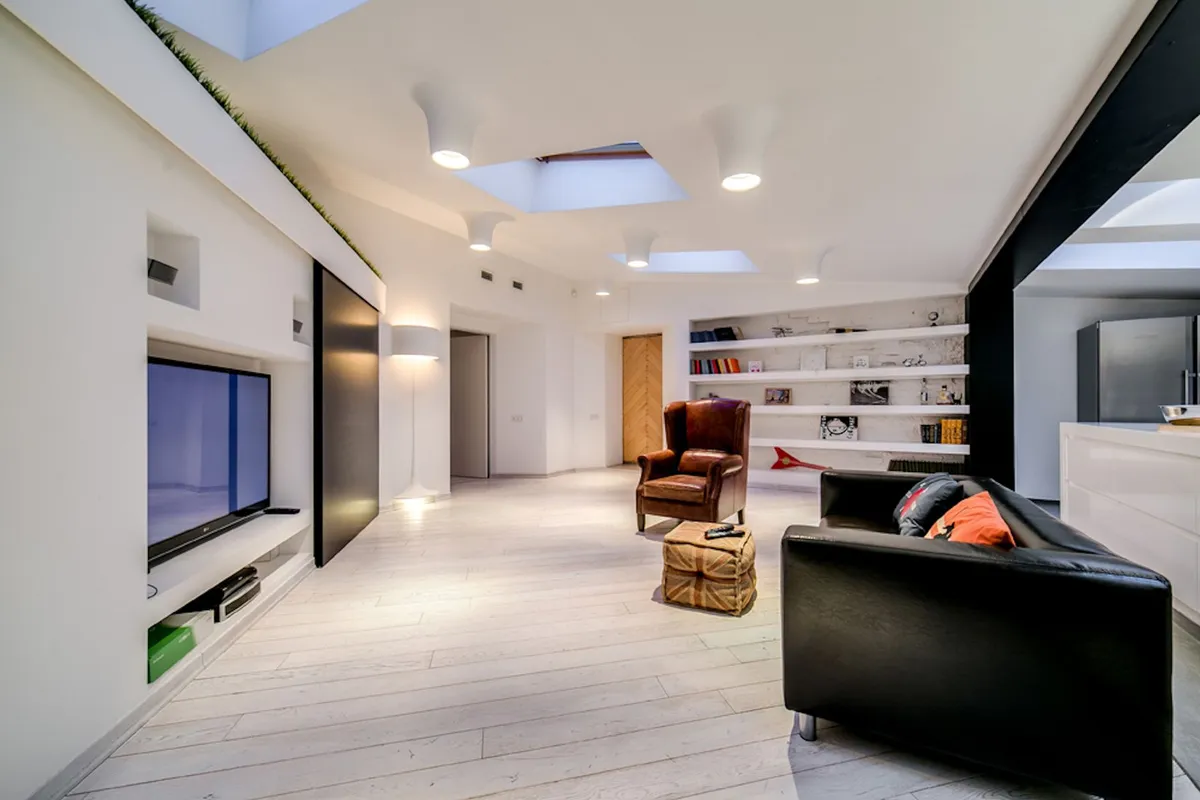
Anchor with one large sectional or sofa in a neutral linen or boucle. One low coffee table. One or two side tables. A single large-format artwork. Built-in media console with no visible cables. See the living room design guide for style-specific renders.
Bedroom
Platform or floating bed frame with integrated nightstands. No headboard, or a simple upholstered panel flush with the wall. Bedside lighting built into the wall or ceiling rather than table lamps. Maximum two textures on the bed: the fitted sheet and one duvet with two pillows. See the bedroom design guide for examples.
Kitchen
Flat-front cabinetry, integrated appliances, and a single-basin undermount sink. No upper cabinets where possible — replace with open shelf sections that hold only what is visually coherent. See the kitchen guide for layout approaches.
FAQ
Is modern minimalism the same as Scandinavian design? They overlap significantly but differ in warmth and material choices. Scandinavian design uses more hygge-influenced textiles, layered softness, and occasional folk-pattern accents. Modern minimalism is stricter about ornament and typically runs slightly colder.
How do I avoid my minimalist room feeling empty? Invest in one or two statement pieces with genuine presence — a sculptural chair, an oversized piece of art, a dramatic light fixture. Emptiness in minimalism comes from removing things without replacing the visual interest they provided.
What's the best wall color for a minimalist interior? Warm whites with slight yellow or pink undertones (rather than blue-toned whites) are the most forgiving across lighting conditions. Farrow & Ball All White, Benjamin Moore Chantilly Lace, and Sherwin-Williams Alabaster are popular choices for good reason.
Can minimalism work in a small apartment? Yes — it is arguably most effective in small spaces. The emphasis on negative space and integrated storage makes compact rooms feel significantly larger than a furnished-to-the-walls approach would.
How much does a minimalist room makeover cost? A living room refresh with new sofa, rug, and repainting typically runs $4,000–$12,000 depending on furniture quality. A full minimalist renovation including built-in storage and flooring can range from $20,000 to $60,000. Use the free AI render to validate your concept before committing to that budget.