
Art Deco Interior Design: Glamour Meets Geometry
Complete guide to Art Deco interior design. Bold geometric patterns, luxurious materials, and 1920s glamour for modern living. Tips and inspiration.
RoomRenovation.AI Team
Updated February 12, 2026
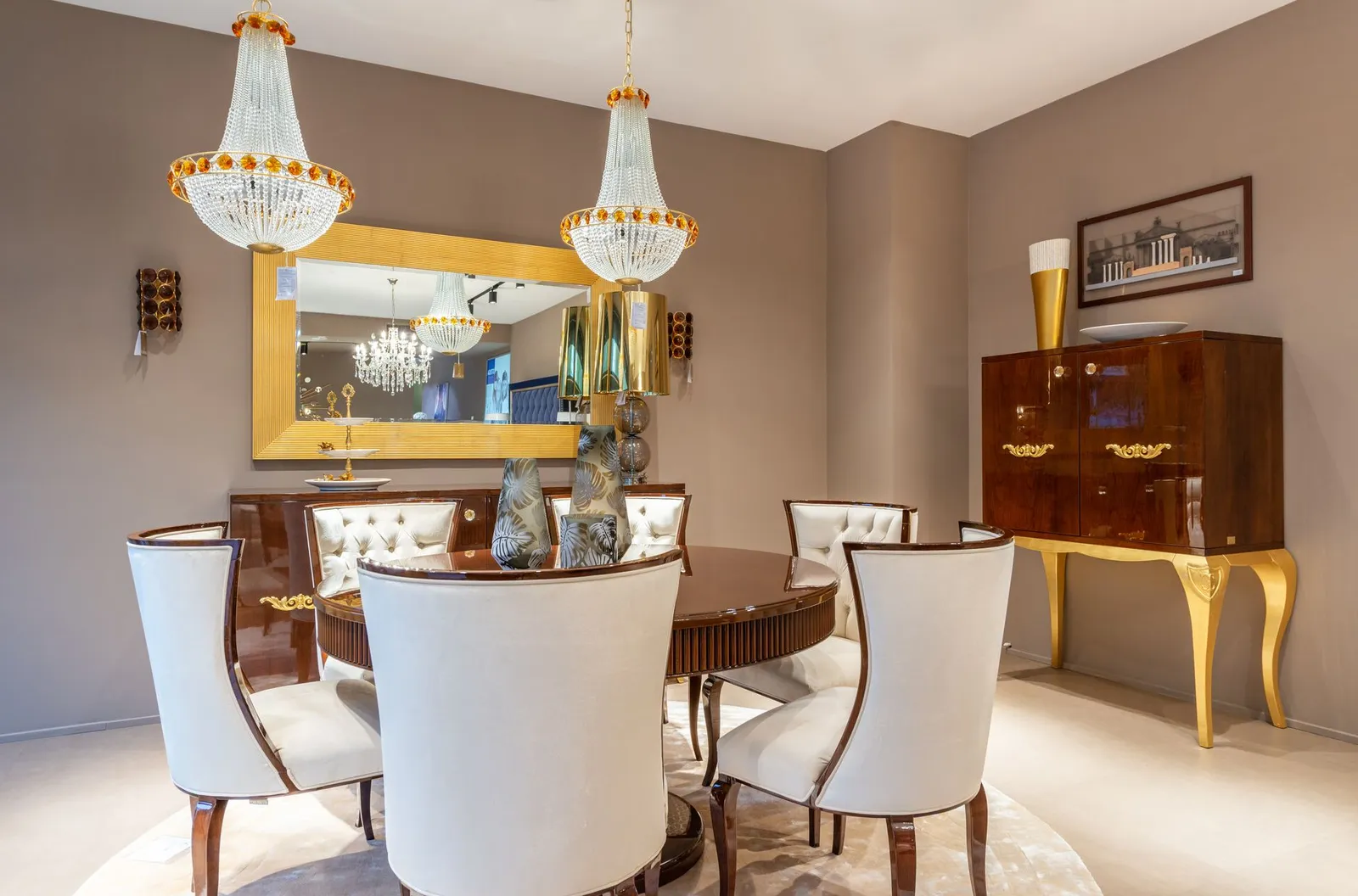
Art Deco interior design stands apart from every other 20th-century movement because it refused to choose between beauty and opulence—it demanded both simultaneously. Born in the 1920s and defined by bold geometric patterns, lavish materials, and an unapologetic love of glamour, Art Deco design has proven remarkably durable, cycling back into mainstream interiors every generation and looking more contemporary than ever in 2026 homes.
The Core Language of Art Deco
Before applying Art Deco to a room, understand the vocabulary. Unlike organic Art Nouveau (its predecessor) or pared-back Modernism (its successor), Art Deco operates on a set of very specific formal principles that work together to create the style's distinctive energy.
Geometry as Decoration
Sunburst motifs, chevrons, stepped forms, and fan shapes are the grammar of Art Deco. These geometric patterns appear on everything: cabinet fronts, floor inlays, textile prints, window treatments, and architectural moldings. The key is scale and repetition—one small chevron pillow does nothing; a full chevron floor in contrasting marble or a sunburst mirror that commands a wall does everything.
The Material Hierarchy
Art Deco interiors are unapologetically material-forward. The canonical palette includes:
- Metals: Gold, bronze, and brass for hardware, lighting, and trim; chrome and silver for accents
- Stone: Black marble, travertine, and onyx for floors, tabletops, and fireplace surrounds
- Wood: Lacquered ebony, zebrawood, and macassar ebony in highly polished veneers
- Glass: Etched glass panels, mirrored surfaces, and frosted glass sconces
- Upholstery: Velvet in emerald, sapphire, burgundy, or blush; leather in black or cognac
Color Schemes That Work
Art Deco palettes are highly contrasted. Classic combinations: black and gold with ivory, navy and champagne with coral accents, forest green with brass and cream. The 2026 interpretation adds muted sage, dusty rose, and terracotta to the traditional palette without losing the drama. Avoid muted, desaturated all-neutral rooms—they kill the movement's essential character.
Room-by-Room Art Deco Application
Living Room
The Art Deco living room is where the style performs best. Start with a bold geometric rug—a cream-and-black medallion pattern or a stepped chevron—as the room's foundation. Layer in a velvet sofa in jewel tones (emerald or sapphire are especially strong), flanked by brass-legged side tables with inset glass tops. Wall treatments matter: grasscloth in a warm ivory or a lacquered accent wall in deep navy anchors the space. A sunburst mirror above a fireplace or console is the single most effective Art Deco statement piece you can add.
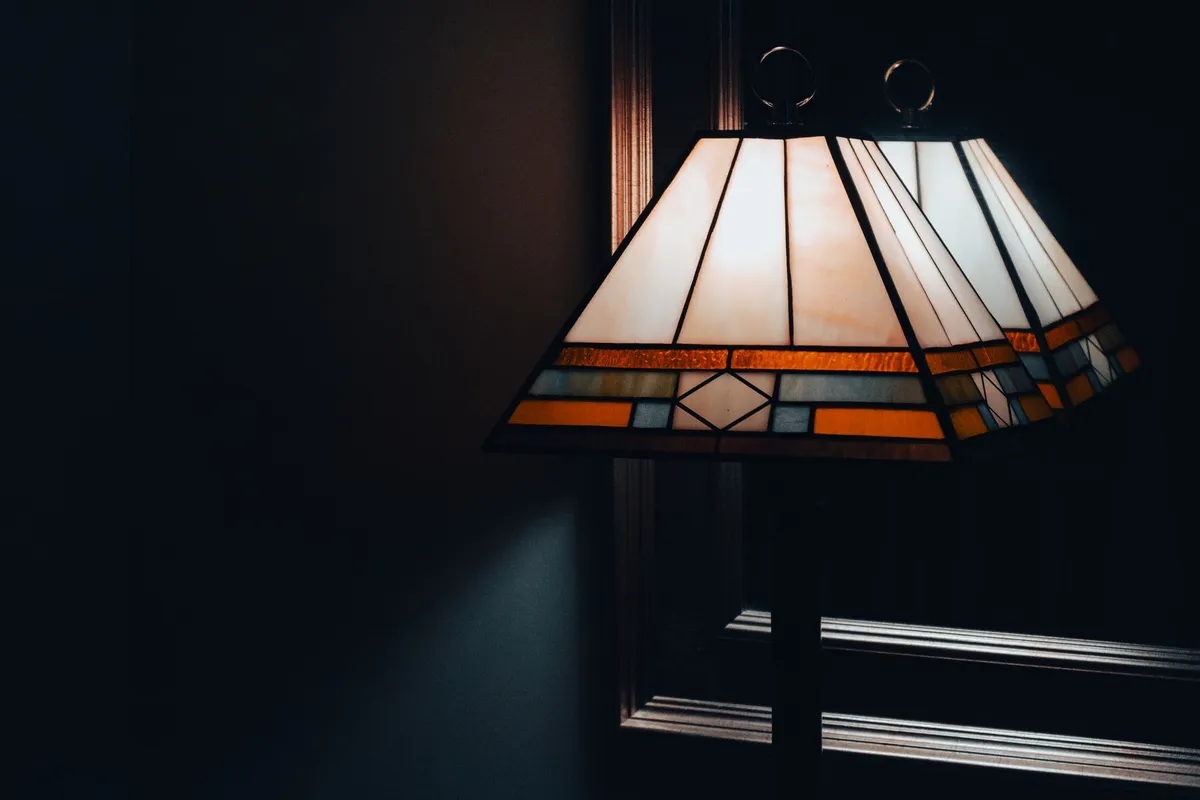
Lighting in a Deco living room should be layered and sculptural. Look for frosted glass torchieres, brass table lamps with geometric bases, and flush-mount fixtures with etched glass panels. Avoid recessed can lighting as your primary source—it drains the drama that Art Deco depends on.
Bedroom
The bedroom offers the most intimate canvas for Art Deco. An upholstered headboard in tufted velvet—full height, floor to ceiling if the ceiling will allow it—anchors the whole room. Pair it with lacquered bedside tables in black or high-gloss walnut, brass hardware, and a geometric pendant on each side in lieu of traditional lamps. Bedding in silk or high-thread sateen in ivory or blush keeps the luxurious quality without competing with a statement headboard.
Kitchen and Bath
Art Deco kitchens translate beautifully into a cabinet color of deep navy or forest green with brass hardware, black-and-white hexagonal or chevron tile floors, and open shelving with brass rails. Marble or quartz countertops in white with dark veining complete the look. For bathrooms, black penny tile floors, a pedestal sink with cross-handle fixtures in unlacquered brass, and a frameless mirror with a brass inset frame reference the period precisely.
The 1920s vs. the Modern Deco Revival
Authentic 1920s Art Deco was maximalist by necessity—it was a reaction against post-war austerity and the industrial grimness of early Modernism. Today's interpretation, sometimes called "New Deco" or "Modern Deco," selectively applies the aesthetic vocabulary with more restraint. The geometry is still bold; the materials are still luxurious; but the room doesn't need to be every pattern at once.
The practical rule: pick one dominant geometric pattern per room (the floor OR the wallpaper OR the textile, not all three simultaneously). Let your metals be consistent—all brass or all chrome, not mixed. Then let materials like stone, velvet, and glass do the rest of the work.
Sourcing Art Deco Furniture and Decor
Investment Pieces Worth Buying New
Certain pieces are worth buying new for quality and scale accuracy: a large sunburst mirror, custom upholstered seating in velvet, geometric area rugs woven to your exact dimensions. Vendors like West Elm, CB2, and Restoration Hardware carry credible Deco-adjacent furniture at accessible prices. For lighting, Mitzi, Arteriors, and Visual Comfort consistently produce geometric fixtures with the right period character.
Vintage and Antique Sourcing
The best genuine Art Deco pieces come from estate sales and auction houses rather than antique malls. 1stDibs, Chairish, and LiveAuctioneers regularly feature authentic French Art Deco furniture, American Moderne pieces, and Hollywood Regency crossovers at prices ranging from $500 for smaller decorative items to $15,000+ for significant case pieces. Reproduction lacquered furniture from Asian markets is widely available and can be indistinguishable from originals at scale.
Visualizing Art Deco Before You Commit
Art Deco is a high-commitment aesthetic. The materials cost more, the furniture is heavier and more architectural, and the color choices are bold enough that a mistake is expensive to reverse. This is precisely the scenario where AI room visualization earns its keep: see how a navy velvet sofa and brass sunburst mirror actually read against your existing floors and ceiling height before you buy either.
Try the free Art Deco render with your own room photo to see how the style interprets your specific space. The full design dashboard lets you compare multiple color palettes—black-and-gold against navy-and-champagne, for instance—side by side before committing to purchases.
Common Art Deco Mistakes to Avoid
- Mixing too many geometric patterns at once: The result is visual chaos rather than Deco glamour. One dominant pattern per space.
- Using warm-toned brass with cool grays: Art Deco brass works with warm neutrals—ivory, cream, camel, warm black—not the cool gray palettes that Scandinavian design favors.
- Overlooking ceiling height: Deco furniture tends to be substantial and architectural. Low ceilings fight the style. Work with your actual ceiling height before buying tall case pieces.
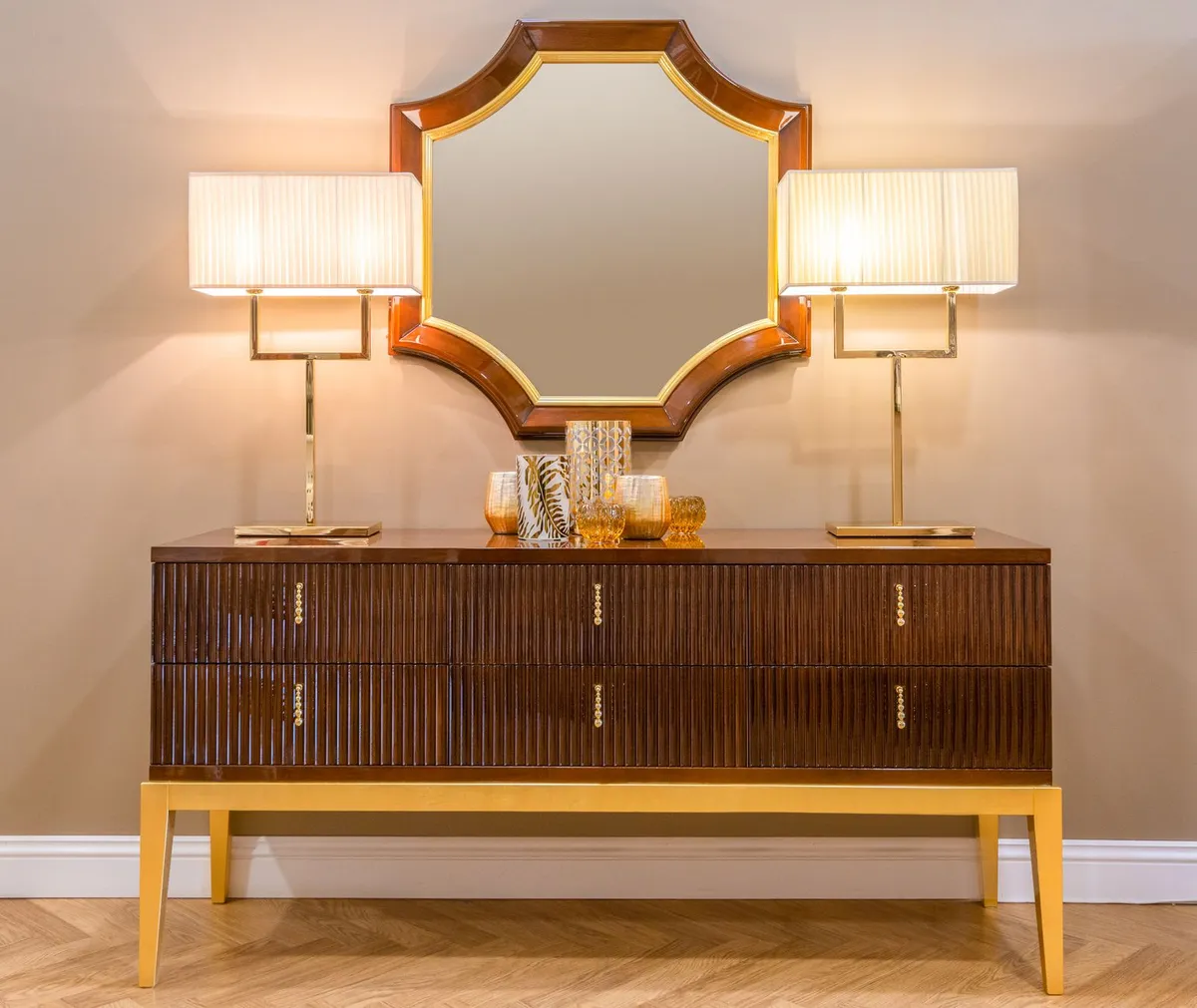
- Ignoring lighting scale: A tiny pendant in a Deco room looks timid. When in doubt, size up on lighting fixtures significantly—they should be statement pieces, not afterthoughts.
- Choosing imitation velvet: Budget velvet in a polyester blend looks flat in photography and in person. Linen-velvet or cotton-velvet blend upholstery is the minimum for the look to read correctly.
Art Deco on a Realistic Budget
Authentic Art Deco interiors were expensive in 1925 and remain expensive today. But the visual effect is achievable at multiple price points:
- Budget ($2,000–$5,000 for a living room): Geometric area rug, one sunburst mirror, brass hardware swaps on existing furniture, velvet throw pillows, a geometric table lamp
- Mid-range ($8,000–$20,000): New velvet sofa, lacquered console or bar cabinet, statement pendant light, marble-topped coffee table, grasscloth or lacquered accent wall
- High-end ($25,000+): Custom upholstered furniture, genuine vintage case pieces, marble floor inlays, architectural millwork with stepped profiles, bespoke lighting commission
FAQ
What's the difference between Art Deco and Hollywood Regency? Hollywood Regency is a mid-century American interpretation of Art Deco that emphasizes lacquered furniture, bold color blocking, and chinoiserie accents. It's more maximalist and often more whimsical. True Art Deco is more strictly geometric and rooted in machine-age materials like chrome and ebonized wood.
Can Art Deco work in a small apartment? Yes, with editing. Focus on one or two Deco statements—a geometric floor lamp and a mirrored console, for example—rather than trying to fully commit the entire space. Small rooms can wear the style's boldness well when it's applied selectively.
Is Art Deco too trendy right now to invest in? Art Deco has been "coming back" continuously since the 1970s. Its longevity suggests it's more of a durable classical style than a trend. Investing in well-made pieces with good bones (a velvet sofa, a quality geometric rug) carries forward regardless of decade.
How do I mix Art Deco with furniture I already own? The fastest integration path: add a large sunburst mirror, swap hardware to brass, introduce a velvet pillow or throw, and replace a floor lamp with a sculptural brass alternative. These additions can shift the character of a room significantly without replacing existing furniture.