
Japanese Zen Interior Design: Wabi-Sabi for Modern Homes
Discover Japanese zen and wabi-sabi interior design for modern homes. Mindful simplicity, natural materials, and the beauty of imperfection explained.
RoomRenovation.AI Team
Updated March 5, 2026
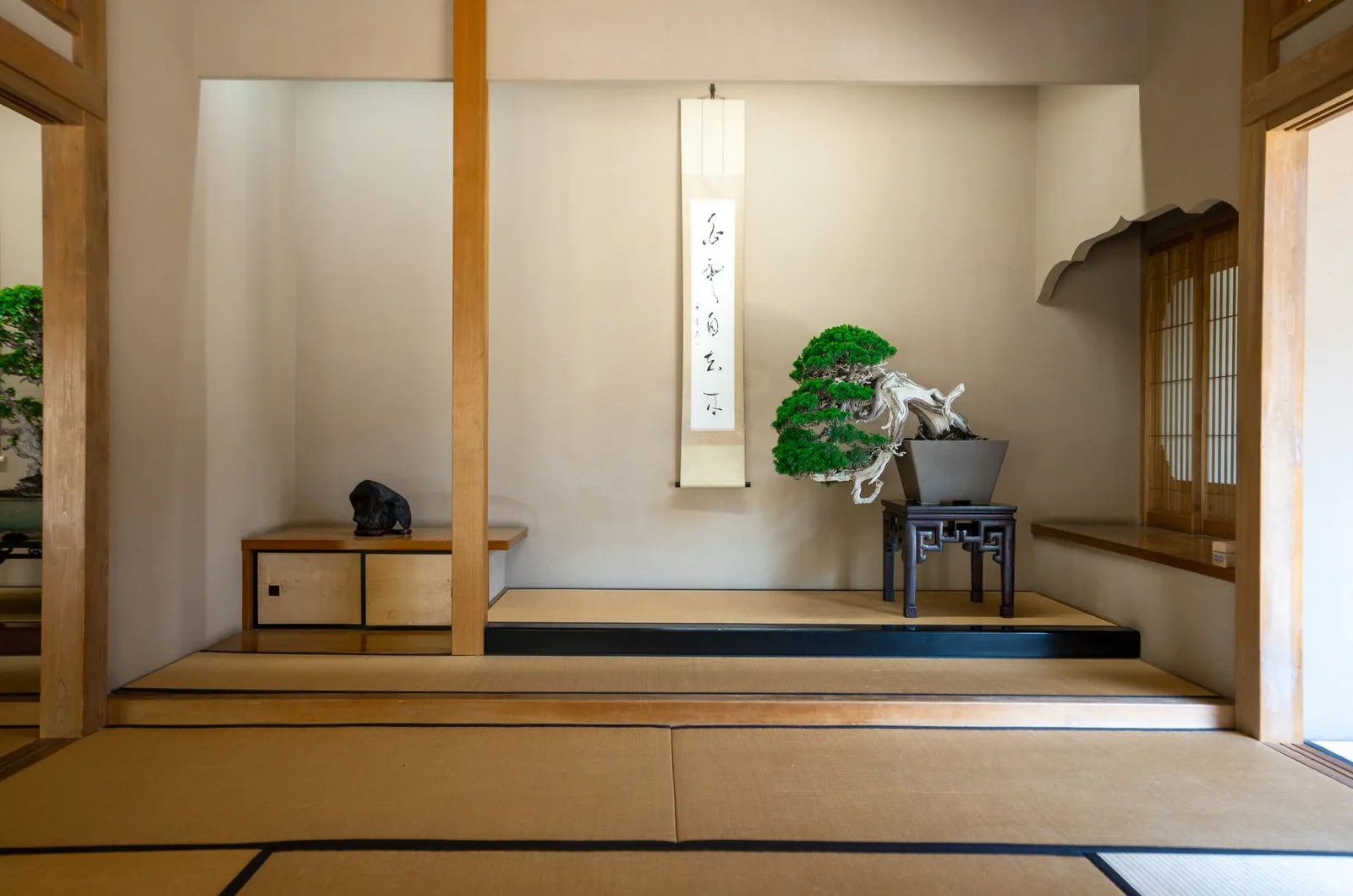
Japanese zen interior design — rooted in centuries of Buddhist philosophy, Shinto aesthetics, and the quiet art of wabi-sabi — offers something most contemporary design trends cannot: a framework for living that values the space between objects as much as the objects themselves. For modern homes overwhelmed by maximalist accumulation and constant visual noise, zen Japanese design provides a deeply practical path to rooms that genuinely restore rather than merely impress.
The Philosophy Behind Japanese Zen Interiors
Understanding zen interiors requires understanding a few foundational Japanese concepts that underpin the aesthetic.
Wabi-Sabi: The Beauty of Imperfection
Wabi-sabi is perhaps the most misunderstood concept in Western interpretations of Japanese design. It isn't simply "rustic" or "worn." Wabi refers to a kind of spare simplicity — the beauty found in modesty and transience. Sabi describes the beauty that comes with age and use — the patina on a bronze bowl, the silver threading in a linen cushion, the uneven grain of a plank floor. Together, wabi-sabi asks you to find completeness in things that are impermanent, incomplete, or imperfect. In practical interior terms, this means embracing handmade ceramics with slight irregularities, natural materials that show their grain, and objects that have earned their place through use rather than novelty.
Ma: The Importance of Negative Space
Ma (間) is the Japanese concept of negative space — the pause, the gap, the emptiness that gives form its meaning. A zen room does not fill every corner. A single branch in a ceramic vase is not sparseness for its own sake; the empty wall beside it is itself a considered design element. In Western interiors, empty space is often anxiety-inducing, something to fill. In zen design, it is intentional and active.
Shizen: Natural Materials as the Primary Palette
Shizen (自然) means nature, and zen interiors draw their material palette almost entirely from it — unfinished wood, stone, bamboo, washi paper, linen, cotton, clay. The goal is not to simulate nature but to bring actual natural materials inside, in states as close to their origin as the function of a home allows.
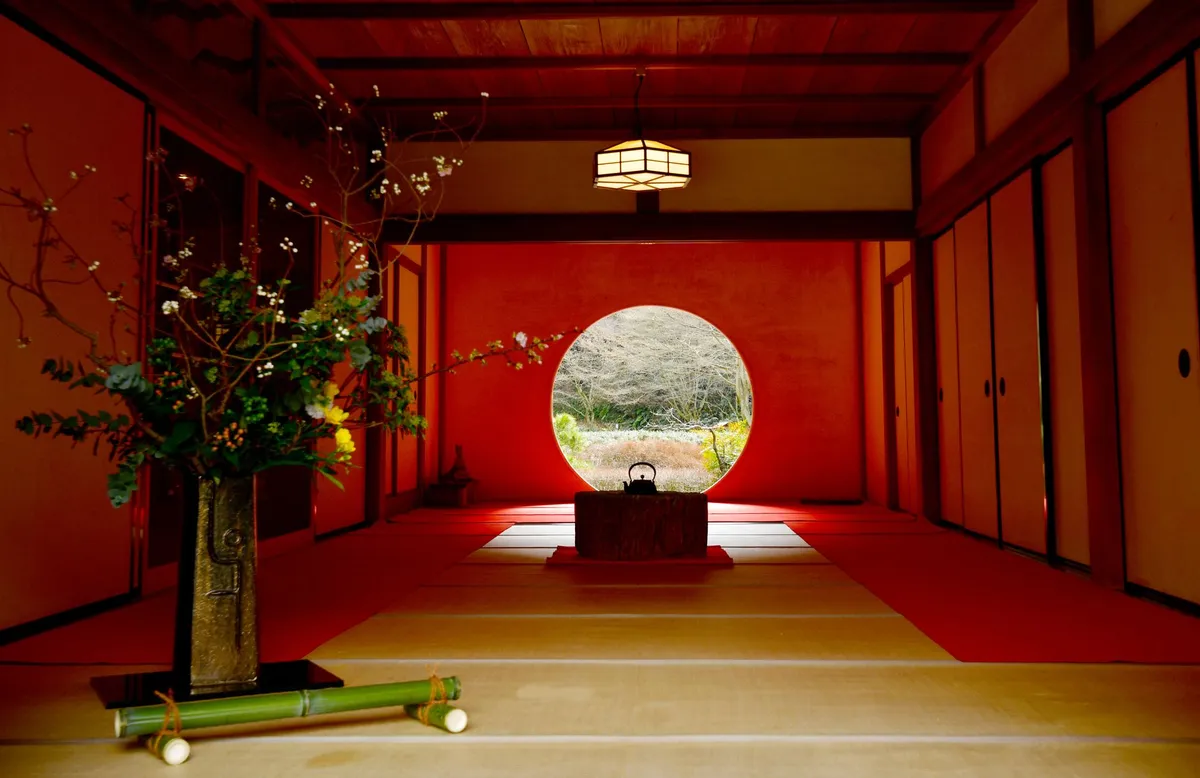
Color Palette: Restraint as Sophistication
A zen Japanese palette is built from neutrals drawn directly from the natural world:
- Off-whites and warm creams — the color of washi paper, aged linen, unglazed ceramic
- Ash, smoke, and warm grays — stone, slate, weathered wood
- Moss greens and muted earth tones — forest, soil, aged bronze
- Deep indigo or charcoal — used sparingly as anchoring accents
Color is introduced primarily through natural material variation rather than paint or fabric print. A celadon glaze on a tea cup, the golden thread in a tatami mat edge, the red-brown of weathered cedar — these are the color accents of a zen interior.
Furniture: Low, Simple, and Purposeful
Traditional Japanese architecture is a low-level environment — sleeping on futons, sitting on cushions or low stools, dining at knee-height tables. Contemporary zen interiors adapted for Western homes don't require you to remove all elevated furniture, but they do favor:
- Platform beds with low profiles and natural wood frames, often without a headboard
- Tansu-style storage — clean-fronted cabinets and chests with minimal hardware, often in dark walnut or ash
- Floor cushions (zabuton) as supplemental seating — linen or cotton, in solid natural tones
- Occasional tables in natural wood with simple joinery and no superfluous decorative elements
The principle is that each piece of furniture should have an obvious reason for being there. If you cannot articulate the function of an object, the zen approach is to remove it.
Textures and Materials: The Touch Test
Zen interiors reward tactile engagement. The visual restraint is balanced by rich material texture that you feel as much as see:
- Linen and rough cotton for bedding, cushion covers, and curtains — never polyester or overly smooth synthetics
- Unfinished or matte-oiled wood — the grain should be visible and the surface should feel like wood, not lacquer
- Washi paper for lamp shades and panel inserts — its warm, diffused light quality is unmatched by any synthetic equivalent
- River stone, pebble, and slate for bathroom surfaces and entry areas
- Bamboo for mats, trays, and structural accents — though use it sparingly; in excess it reads as tiki bar rather than zen
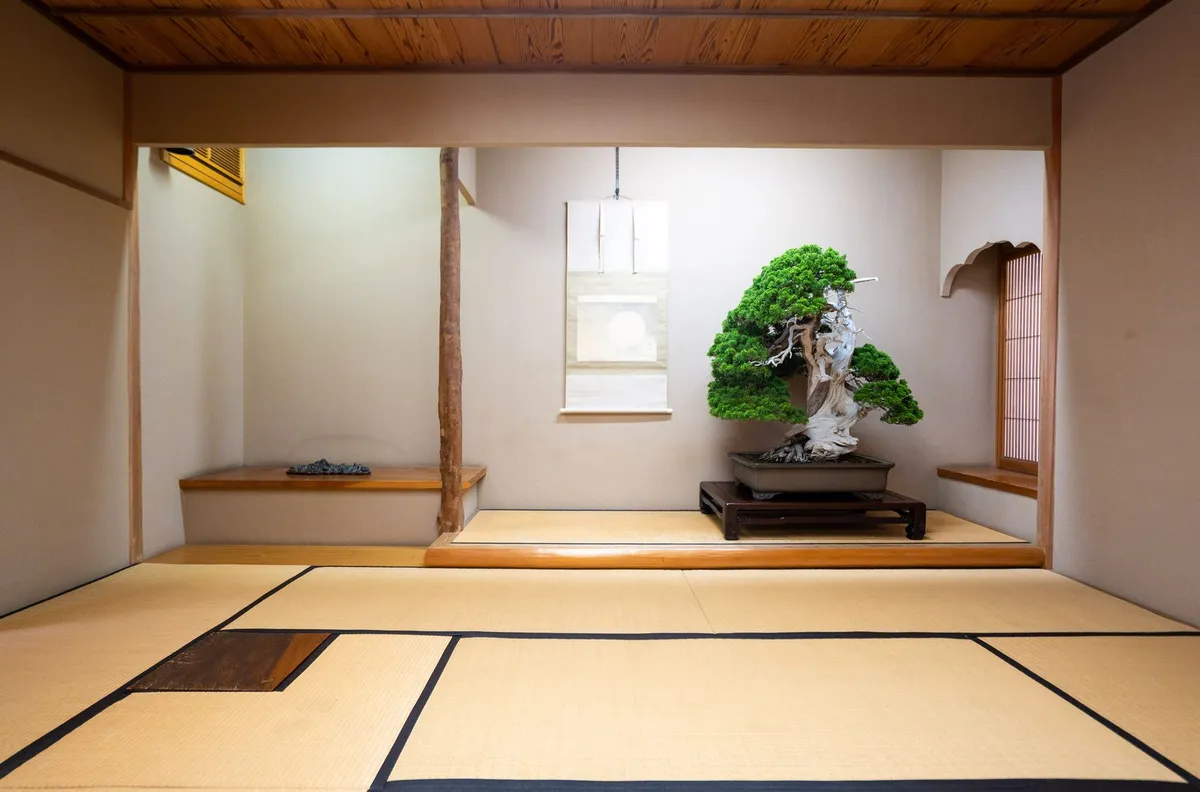
Lighting: Warmth, Diffusion, and Shadow
Zen interiors avoid the bright, even overhead lighting typical of Western rooms. Light in a zen space is warm, directional, and often partially obscured:
- Paper pendant lamps (Noguchi style) that diffuse light softly throughout a room
- Low floor lamps with washi paper shades that pool warm light near seating or sleeping areas
- Candlelight or tealights as primary evening lighting in dining and bathing contexts
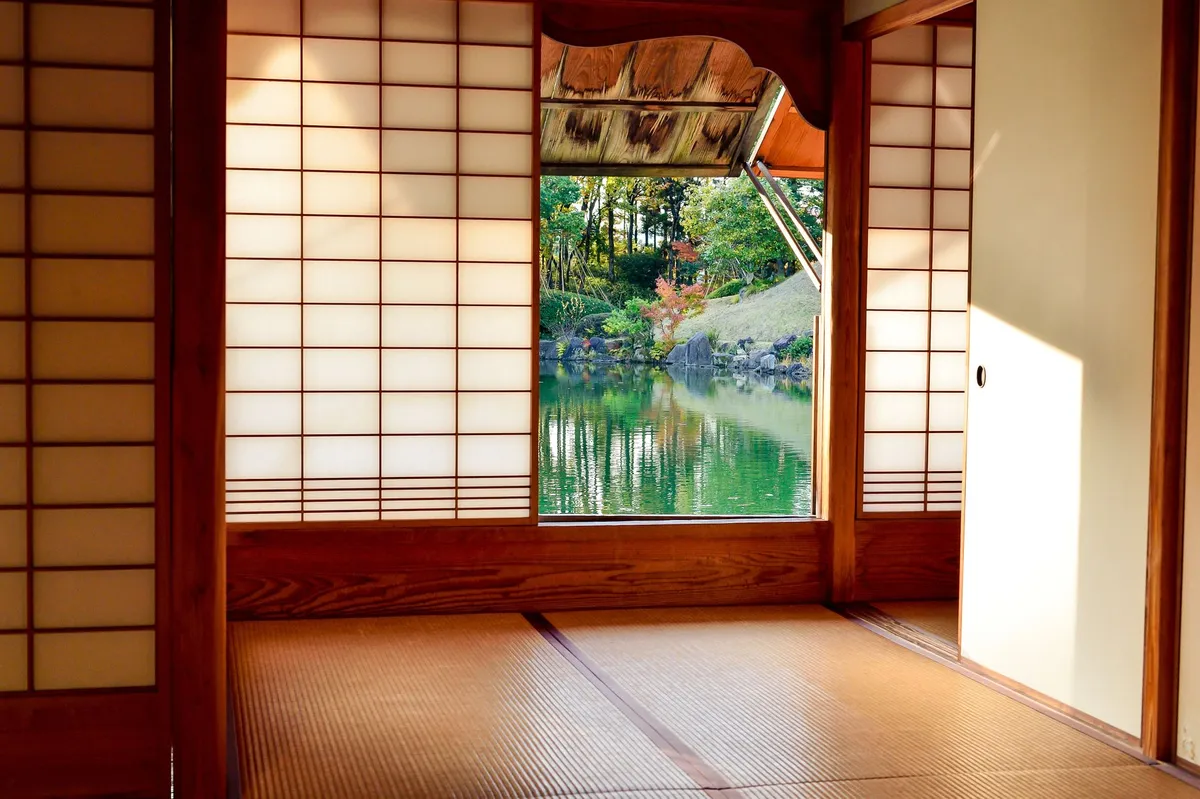
- Shoji screens on windows — even a modern interpretation using frosted film on glass panels — which filter natural light into the gentle, indirect quality that defines the Japanese interior aesthetic
Shadow is considered a design element, not a problem to solve. Architect Junichiro Tanizaki's classic essay In Praise of Shadows (1933) remains the definitive argument for why a room is made richer by what it keeps in darkness.
Plants and Natural Elements
Nature is brought inside sparingly but deliberately:
- Ikebana (flower arrangement) — a single stem or small asymmetric grouping in a ceramic vessel, changed seasonally
- Moss gardens in shallow trays for tabletops or windowsills
- Bonsai as a contemplative focal point — requires genuine commitment to care
- Rocks and pebbles arranged in simple bowls or used as bookends
The key is intentionality. A single orchid in a matte black vase against a white wall is zen. A shelf of 40 succulents is not.
Adapting Zen Design to a Western Home
Most Western homes were built with a different spatial logic — higher furniture, more walls, different window proportions. Here are practical translations:
- Swap a high-profile bed frame for a low platform bed or place an existing mattress on a solid wooden platform you build or buy
- Replace heavy drapes with linen or raw silk curtains in off-white — they filter light softly without blocking it entirely
- Remove half the decorative objects in any given room before considering adding anything. Living with less for two weeks before deciding what to return is an instructive exercise
- Paint walls in warm whites with slight yellow or gray undertones rather than cool stark white — Benjamin Moore's White Dove or Sherwin-Williams Shoji White are consistently reliable choices
- Replace overhead lighting with multiple floor and table lamps and add a dimmer switch to whatever ceiling fixture you do use
Want to visualize what a zen transformation would look like in your specific room before committing? Try an AI render at RoomRenovation.ai — simply upload a photo of your room and select the Zen or Japandi style preset to see the result instantly.
Common Mistakes in Western Zen Interiors
The most frequent errors when attempting zen design in non-Japanese homes:
- Over-accessorizing with "Asian" motifs. Cherry blossom prints, bamboo stencils, and koi fish ceramics are not zen — they are cultural signifiers without the philosophy behind them.
- Confusing empty with cold. Zen spaces are warm and inviting through their material quality. If your room feels cold rather than calm, add texture — a linen throw, a jute rug — rather than more objects.
- Buying new things to achieve minimalism. True wabi-sabi finds meaning in what already exists. Before purchasing anything, edit what you have.
- Ignoring scent. Incense, cedar, and hinoki wood are as integral to the zen sensory environment as what you see. A cedar wood soap dish or a stick of quality Japanese incense in the evening costs almost nothing and transforms the experience of a room.
Related Styles to Explore
If zen design resonates with you, also consider Scandinavian interior design, which shares the emphasis on natural materials and functional simplicity, or the increasingly popular Japandi aesthetic — a deliberate hybrid of Japanese and Scandinavian sensibilities that's become one of the most searched interior styles of 2026. For the opposite end of the spectrum, explore living room ideas in a range of styles to understand where zen sits in the broader design landscape.
FAQ
Is zen interior design the same as minimalism? They share traits — both value restraint and intentionality — but they're distinct philosophies. Western minimalism is often more architectural and austere. Zen design prioritizes warmth, natural materials, and a specific relationship to imperfection and impermanence rooted in Japanese philosophy.
How do I make a small room feel zen without making it feel empty? Focus on material quality over quantity. A small room with one beautiful linen rug, a low wooden platform bed, a single plant, and warm diffused lighting reads as zen and serene. An empty room with laminate floors and fluorescent light reads as bare. The distinction is sensory richness within restraint.
Can I apply zen principles to a room with existing Western furniture? Yes. Start by removing half the items in the room. Add warm, indirect lighting. Replace synthetic textiles with natural ones. Add one natural element — a plant, a stone, a ceramic bowl. The improvement will be immediately perceptible without replacing any furniture.
What's the best room in a home to start applying zen design? The bedroom is the most impactful starting point. It's where the restorative quality of zen design delivers the most direct benefit — better sleep, less visual anxiety, more intentional mornings. The bathroom is a close second.
How can I visualize zen design in my actual room before committing? Upload a photo of your room to RoomRenovation.ai's free render tool and select a Zen or Japandi style preset. The AI will generate a photorealistic render of your actual space redesigned in that aesthetic.