
Living Room Renovation Ideas: AI-Generated Transformations
Explore living room renovation ideas with AI visualization. See your living room transformed in 25+ styles. From modern to bohemian, find your look.
RoomRenovation.AI Team
Updated February 8, 2026
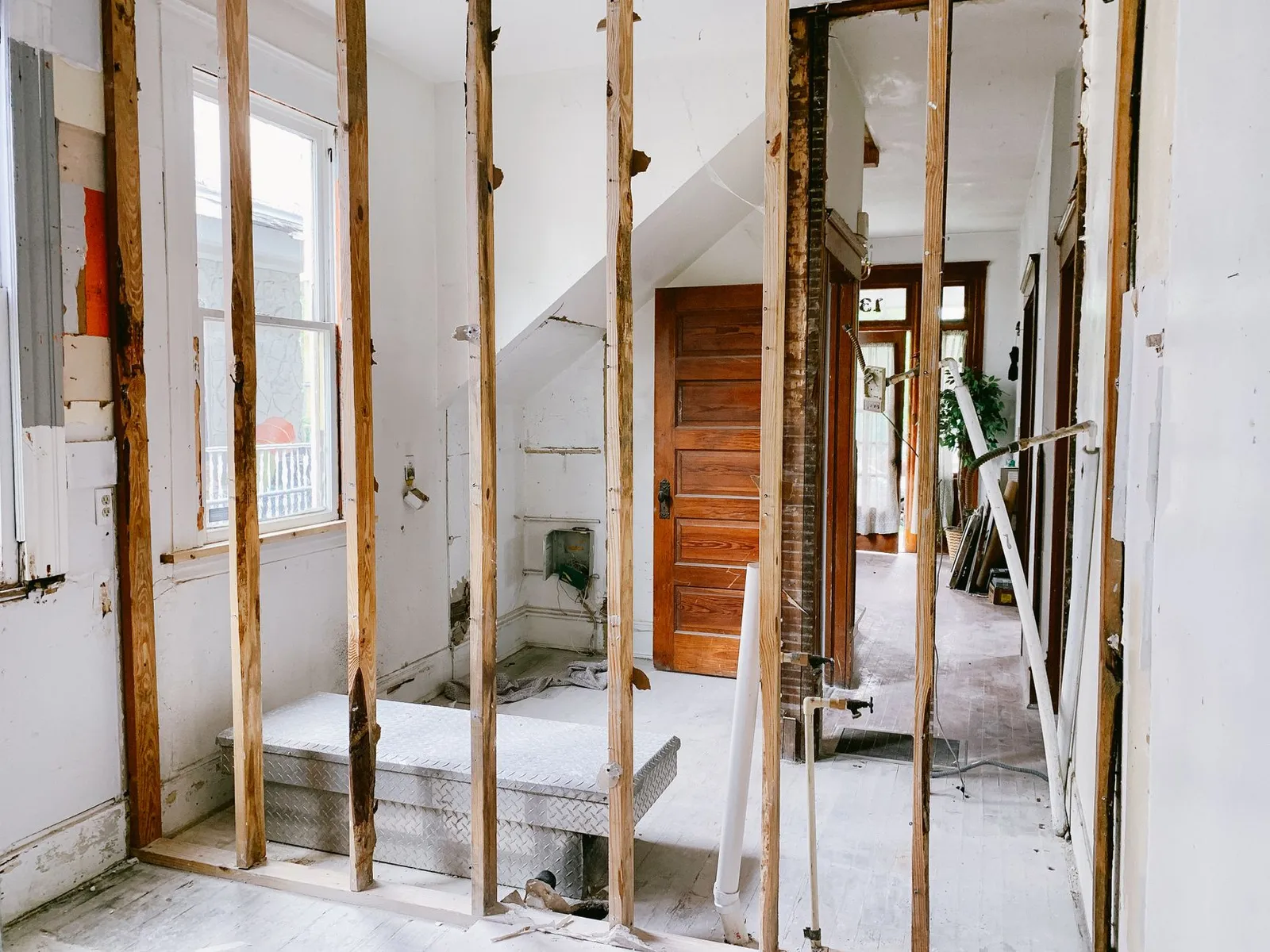
The living room is the room that makes or breaks a home's feeling. It's where you host, relax, argue over the remote, and show guests who you are as a family — which is exactly why living room renovation ideas carry such high emotional stakes. The good news is that in 2026, AI visualization lets you try dozens of transformations on your actual living room before spending a dollar, turning an intimidating project into something genuinely exciting.
How to Use AI to Explore Living Room Transformations
The process is simpler than most people expect. Take a well-lit photo of your living room from a corner angle that captures the whole space — daylight, no flash. Upload it to RoomRenovation.ai, pick a style, and within seconds you have a photorealistic render of your room in that aesthetic. The AI preserves your windows, ceiling height, and architectural bones while transforming surfaces, furniture, colors, and lighting.
Start with the styles that feel furthest from where you are — sometimes the most surprising transformations reveal what you actually want. Then narrow toward what resonates.
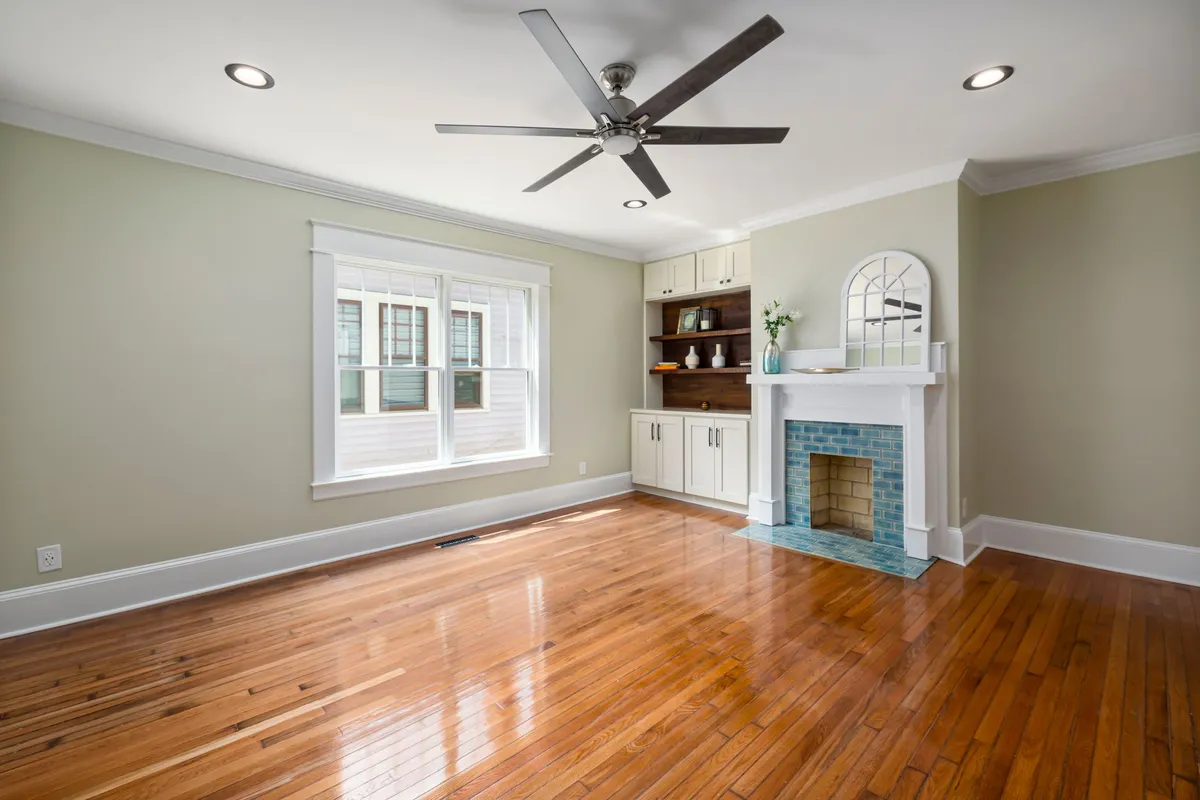
Popular Living Room Renovation Styles in 2026
Modern Minimalist
The minimalist living room strips everything to its most purposeful — low-profile sofas in neutral fabrics, a single statement light fixture, hardwood floors with one well-chosen area rug, and walls left mostly bare except for one large piece of art. The renovation cost to achieve this look ranges from $8,000–$25,000 depending on whether you're replacing furniture, flooring, and paint or just editing what you have. Critically, the minimalist look requires discipline: every piece must earn its place, which makes AI visualization invaluable for deciding what stays and what goes. See our modern minimalist style guide for the full approach.
Scandinavian Warmth
Scandinavian design hits a sweet spot between minimal and cozy — the Swedes call it "lagom" (just the right amount). Think white walls, light oak floors, wool throws in forest green or dusty blue, simple furniture with tapered legs, and carefully placed plants. This aesthetic photographs beautifully, works in almost any sized room, and doesn't require tearing out structural elements. A Scandinavian living room refresh can cost as little as $3,000–$8,000 through strategic furniture swaps and paint. Visit our Scandinavian style guide to explore the specific palette and furniture types.
Industrial Chic
Exposed brick, steel-frame windows, concrete or dark wood floors, leather seating, Edison bulb lighting, and salvaged elements define industrial design. It's especially striking in older homes with architectural character that minimalism would sand away. The industrial transformation tends to lean on material choices rather than furniture purchases, with concrete floor overlays, exposed ceiling treatments, and metal shelving making the biggest impact. Budget $10,000–$30,000 for a thorough industrial overhaul. The industrial design guide breaks down material choices and sourcing.
Transitional (The Most Popular Choice)
Transitional design sits between traditional and contemporary — it's what most people actually want when they say they want their living room to feel "updated but not cold." It combines classic furniture silhouettes (roll-arm sofas, wingback chairs) with cleaner lines and updated finishes (no ornate carved wood, instead simple painted frames). Neutral palette with one or two accent colors. This is the sweet spot for resale value and broad appeal.
Bohemian Eclectic
The bohemian living room is the antithesis of minimalism: layered textiles, global patterns, plants everywhere, collected art, mismatched but harmonious color. It's a style that accumulates over time rather than being purchased all at once, which makes it among the most budget-friendly to achieve. Start with a neutral base, then layer in vintage finds, handmade objects, and textiles from different cultures. AI visualization helps confirm that your accumulated pieces actually work together before you're committed to a specific arrangement.
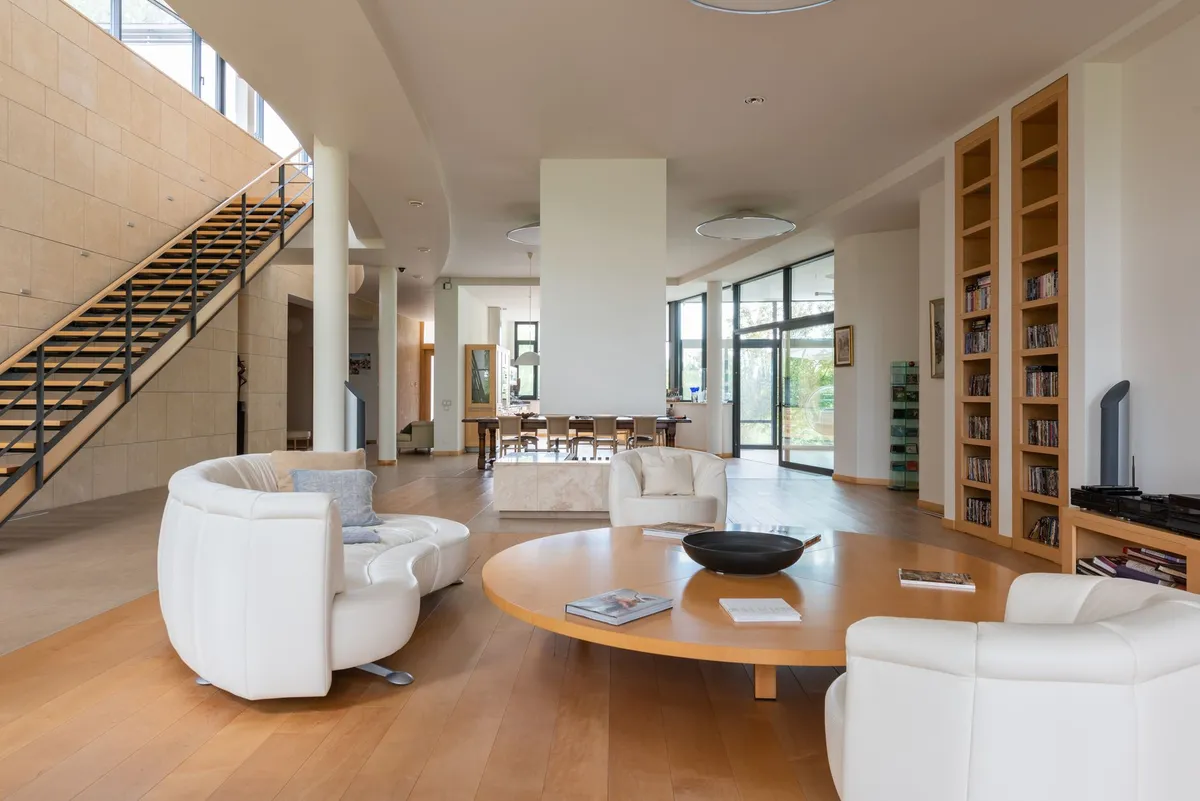
High-Impact Living Room Changes by Budget
Under $2,000: Surface-Level Transformation
- Fresh paint ($300–$800 for a living room)
- New area rug ($200–$600)
- Updated light fixtures ($150–$400)
- New throw pillows and curtains ($200–$500)
- Rearranged or edited furniture arrangement
$5,000–$15,000: Meaningful Renovation
- New flooring throughout (hardwood refinish or LVP replacement)
- One or two new furniture pieces (sofa, sectional, or accent chairs)
- Built-in shelving or entertainment wall
- New window treatments
- Accent wall treatment (shiplap, board-and-batten, or wallpaper)
$20,000+: Full Transformation
- New flooring, paint, and trim throughout
- Full furniture replacement
- Recessed lighting installation
- Built-ins or fireplace surround redesign
- Open concept wall removal (where structurally feasible)
Before committing to any of these budgets, use the free room render tool to visualize the outcome. The difference between a $2,000 and a $15,000 project is sometimes smaller than you'd think — and sometimes a single right piece at $800 does more than $5,000 of unfocused spending.
Living Room Layout Ideas That Change Everything
Renovation isn't always about buying new things. Layout changes — how furniture is arranged in relation to focal points, traffic flow, and natural light — can transform the feeling of a room without a single purchase.
Anchor to the Fireplace, Not the TV
Many living rooms are TV-centric by default, with seating pointing toward the screen and everything else arranged around it. If you have a fireplace, try making it the room's focal point instead. Arrange seating in a horseshoe or conversation group around the hearth, and position the TV to the side where it's accessible but not dominant. The result feels more intentional and less like a home theater.
Float Furniture Away from Walls
The instinct to push all furniture against the walls creates a room that feels empty in the middle and cramped at the edges. Floating a sofa 18–24 inches from the wall, anchored by an area rug, creates intimate conversation zones and makes the room feel larger. AI renders show this effect clearly before you start rearranging heavy furniture.
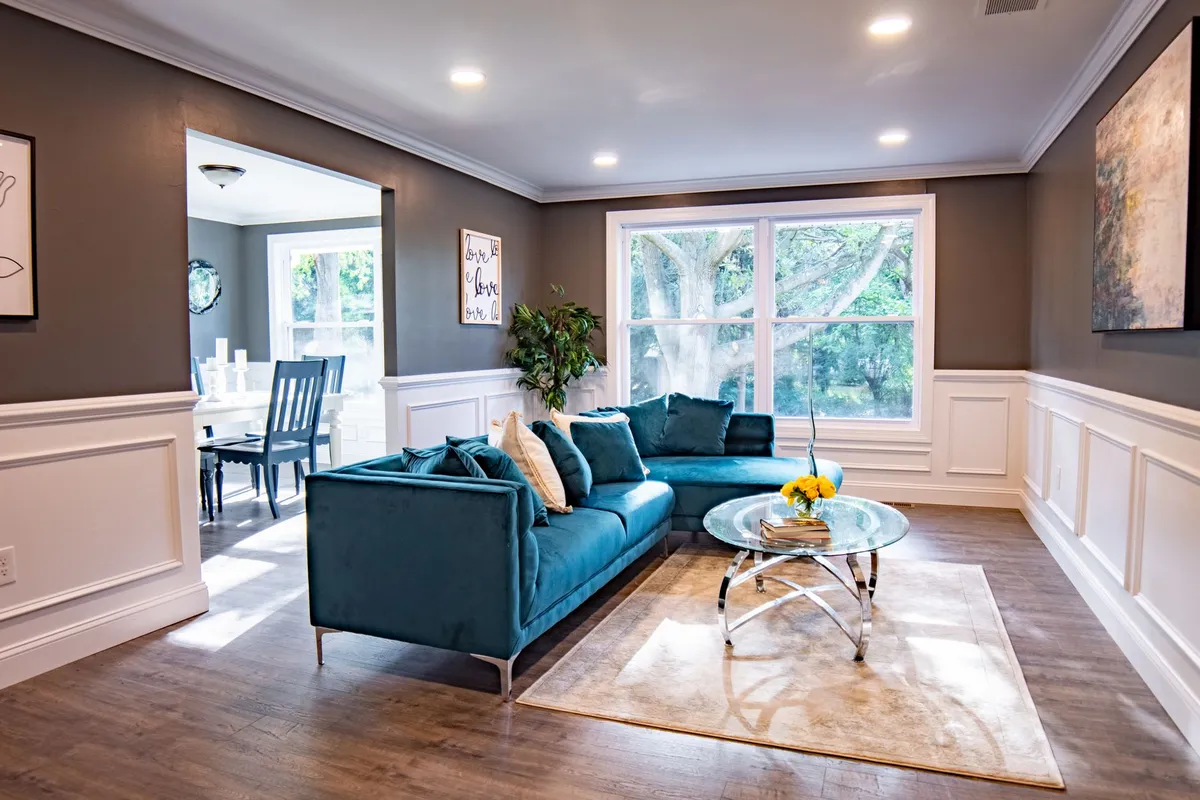
The Right Starting Point: Your Room's Architecture
The most successful living room renovations work with the room's existing architecture rather than against it. A craftsman bungalow living room with original built-ins and a brick fireplace calls for different decisions than an open-plan contemporary space with 10-foot ceilings. Before choosing a style direction, assess what's fixed: ceiling height, window placement, architectural trim, and structural walls. These elements define what's possible and where the room wants to go. AI visualization that uses your actual room photo — not a generic template — accounts for all of this automatically.
Ready to see your living room transformed? Upload your photo at RoomRenovation.ai and explore the full range of styles available. Check before and after examples to see what's possible, then use your renders to brief contractors or make purchasing decisions with total confidence.
FAQ
What's the most important change I can make to a living room on a budget? Paint, consistently. The right paint color (especially if your current walls are builder-grade beige or white) transforms a room more dramatically than almost any other single change, and costs $300–$800 including labor. AI visualization is especially valuable here because paint is easy to visualize incorrectly from a small chip.
How do I make a small living room feel larger? Use light paint colors, eliminate excess furniture, choose pieces with exposed legs (which let light flow under them), hang curtains from ceiling height (not from the window frame), and use a large mirror opposite the main window. AI renders will show you exactly how each of these changes affects the perceived size of your specific room.
What living room renovation has the best ROI for resale? Flooring, followed by paint. Buyers notice floors immediately and form strong opinions. Refinishing existing hardwood ($3–$5/sq ft) or installing quality LVP ($5–$10/sq ft installed) returns nearly its full cost in sale price and dramatically speeds up the sale timeline.
Can AI show me different furniture arrangements without buying anything? Yes — the style transformation includes furniture placement as part of the render. You can use this to experiment with layout before physically moving anything.
How many style variations should I try before deciding? Three to five is usually enough to identify a clear direction. Try one that feels like a stretch (something you'd never have considered), one that aligns with your current taste, and one in between. The unexpected option frequently surprises people by being exactly right.