
Bedroom Makeover: AI Design Ideas for Every Style
Transform your bedroom with AI-powered design ideas. See your bedroom in Scandinavian, Japandi, luxury modern, and 22 more styles. Upload your photo free.
RoomRenovation.AI Team
Updated February 22, 2026
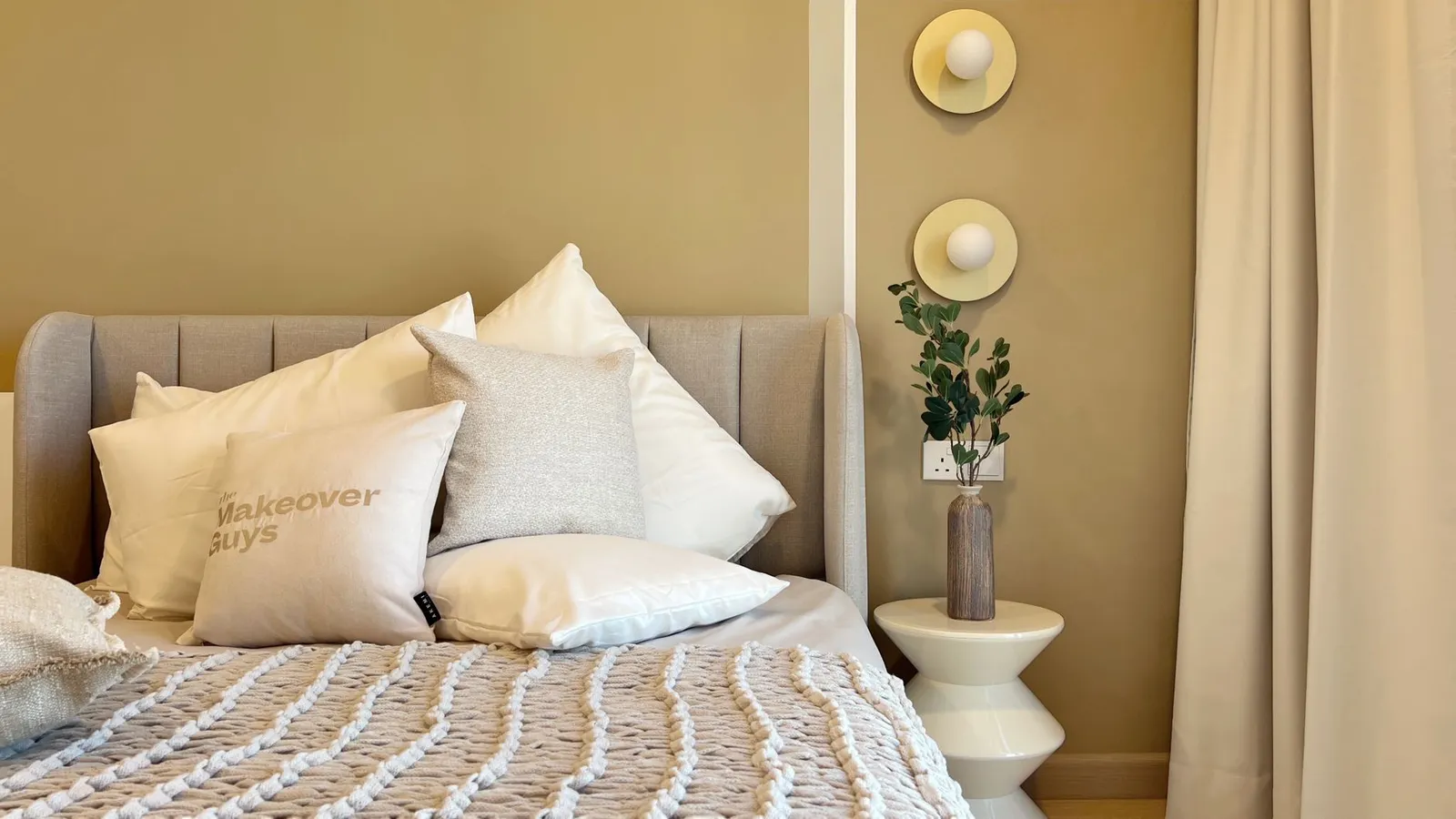
A bedroom makeover is one of the highest-return renovation decisions you can make — not financially, but psychologically. The bedroom is the first space you see each morning and the last each night, and its design quality directly affects how well you sleep, how calm you feel, and how much you want to be in your own home. AI design tools now make it practical to test a complete bedroom transformation before moving a single piece of furniture or touching a paint roller.
Why Bedroom Design Deserves More Thought Than It Usually Gets
Most homeowners spend more time and budget on public spaces — living rooms and kitchens — because those are the rooms guests see. But the bedroom is where you spend roughly a third of your life. A room that is visually calm, appropriately dark, and temperature-neutral at night genuinely improves sleep quality in ways that are hard to attribute to anything else once you have experienced the difference.
The design elements that matter most for sleep quality overlap almost exactly with the elements that make a bedroom look beautiful: soft layered lighting, warm neutral tones, minimal visual complexity, and textiles that signal comfort.
The Six Bedroom Design Decisions That Change Everything
1. Bed Placement
The bed should be positioned with the headboard against a solid wall, ideally the wall opposite the door. This is not just feng shui intuition — it is practical. You can see the door from bed (a neurological comfort), the bed becomes the visual anchor of the room, and there is typically room for bedside tables on at least one side.
2. Headboard Scale
The most common bedroom mistake is an undersized headboard. As a proportion rule, the headboard should be wider than the mattress by 2–4 inches per side and tall enough to sit above the pillows when you are sitting up. For a standard queen bed, that means a headboard roughly 62–66 inches wide and at least 48 inches tall. Taller (60+ inch) headboards read as luxurious and make low ceilings appear higher.
3. Lighting Layers
Avoid the overhead-light-only trap. A single ceiling fixture creates harsh top-down shadows and has no dimming range that feels good at 10 p.m. Layer ambient (recessed or flush ceiling), task (reading sconces or bedside pendants), and accent (LED strip under a floating platform bed or above crown molding). Putting all layers on separate dimmers is the single upgrade that most transforms a bedroom's evening atmosphere.
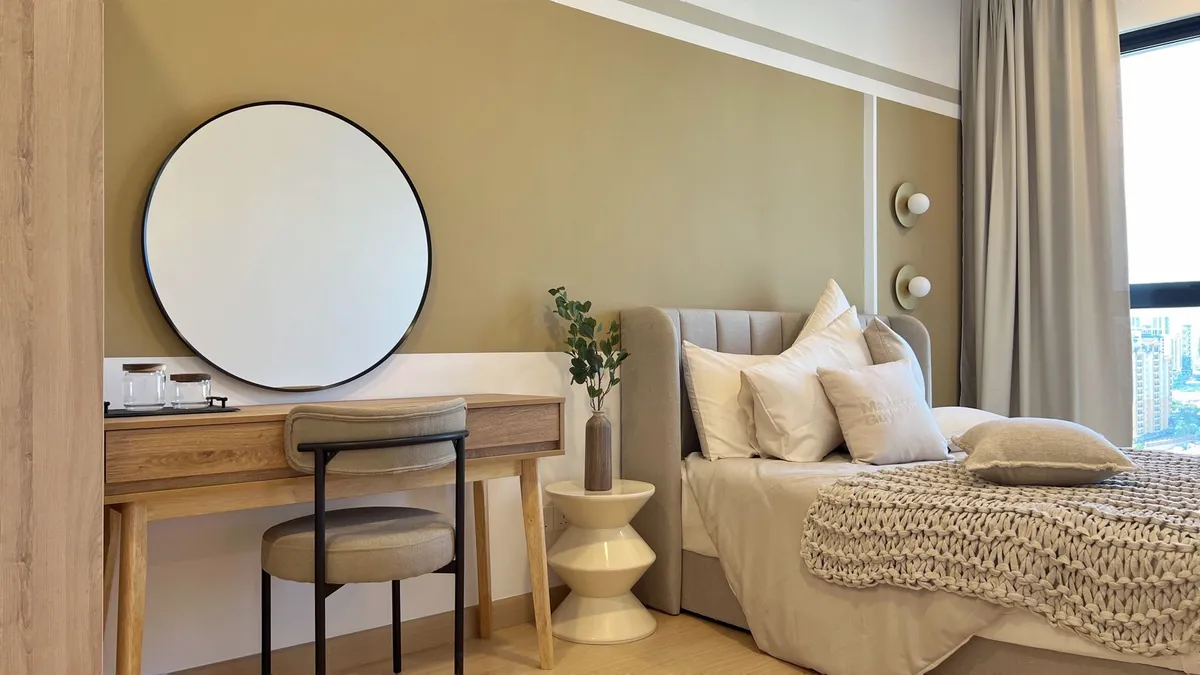
4. Closet and Storage Strategy
Visual clutter is the enemy of bedroom calm. If the room has inadequate closet space, built-in wardrobes along one wall — floor-to-ceiling with flat-front doors — provide storage and clean up the entire room simultaneously. The investment ($3,000–$8,000 for a 10-foot built-in) pays back in livability far more than an equivalent investment in decorative accessories.
5. Textile Palette
The bedding and window treatment palette should be the most thoughtful decision in the room because they cover the most surface area. A white or cream fitted sheet and duvet with one or two textured layers (a waffle-weave throw, a quilted coverlet) reads as luxurious hotel bedding. Adding color through an accent coverlet or decorative pillows in a muted earth tone or dusty blue gives warmth without visual complexity.
6. Flooring and Rug
Hard flooring in a bedroom needs one generous area rug to soften the acoustic environment and the feeling of bare feet in the morning. For a queen room, a 8x10-foot rug placed so that roughly 18–24 inches of rug extend beyond the bed on three sides is the correct proportion. A larger rug is almost always better than one that stops short.
Bedroom Styles Worth Testing in 2026
These are the styles generating the strongest buyer interest and the most dramatic AI renders for bedroom spaces:
- Japandi: A Japanese-Scandinavian hybrid emphasizing low furniture, organic shapes, and a palette of warm wood, cream, and muted sage. Exceptionally calm.
- Warm Minimalist: Close to modern minimalist but with richer textile layers and more wood grain visible. Better for northern or low-light rooms.
- Coastal/California: Linen, rattan, soft blues and sand tones, woven wall art. Works best with high ceilings and generous natural light.
- Dark Maximalist: Deep charcoal or forest green walls, layered velvet and brass, moody pendant lighting. Dramatically photogenic and increasingly popular for primary suites.
- Traditional Hotel Luxury: Tufted headboard, symmetrical nightstands, rich neutral carpet, heavy drapes. Timeless and broadly appealing for resale.
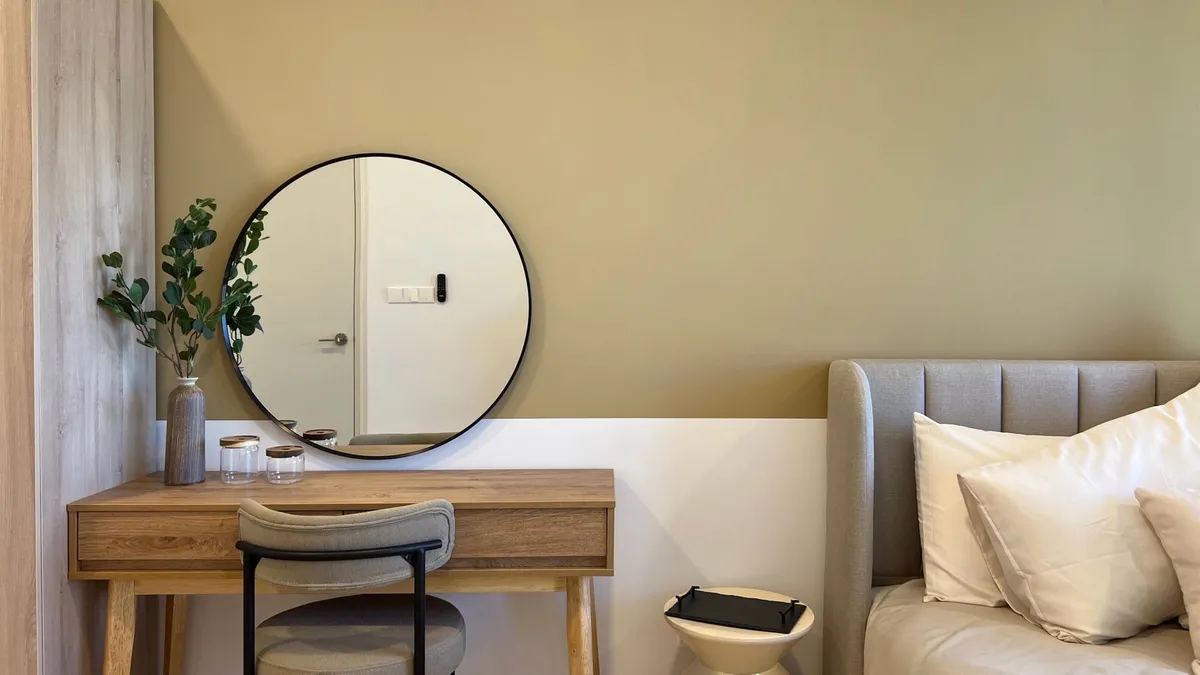
Using AI to Plan Your Bedroom Makeover
The practical problem with bedroom makeovers is that most of the investment is in items you cannot return easily — custom headboards, area rugs, window treatments, and paint. Getting those decisions right before purchase saves significant money and frustration.
AI room design solves this by letting you upload a photo of your actual bedroom and see it rendered in your chosen style — accurate to your room's proportions, light direction, and existing fixed elements like flooring and trim. The free bedroom render gives you one test without creating an account. If you want to compare the Japandi render against the warm minimalist version, or see the same room in both a light and a dark palette, the full design dashboard supports unlimited style comparisons.
Explore the bedroom design gallery to see how different styles look in real room proportions before uploading your own photo.
Budgeting a Bedroom Makeover
Most bedroom transformations fall into three bands:
- Cosmetic refresh ($1,500–$4,000): New bedding, a rug, repaint, and new lighting. The room reads as completely different without moving furniture or touching the closet.
- Furniture upgrade ($4,000–$12,000): New bed frame and headboard, nightstands, dresser, area rug, and new window treatments. This changes the entire character of the room.
- Full renovation ($15,000–$40,000+): Built-in closets, flooring replacement, electrical work for sconces, possibly moving a wall. Typically done when purchasing a home or during a full-house renovation.
Quick Wins That Cost Under $500
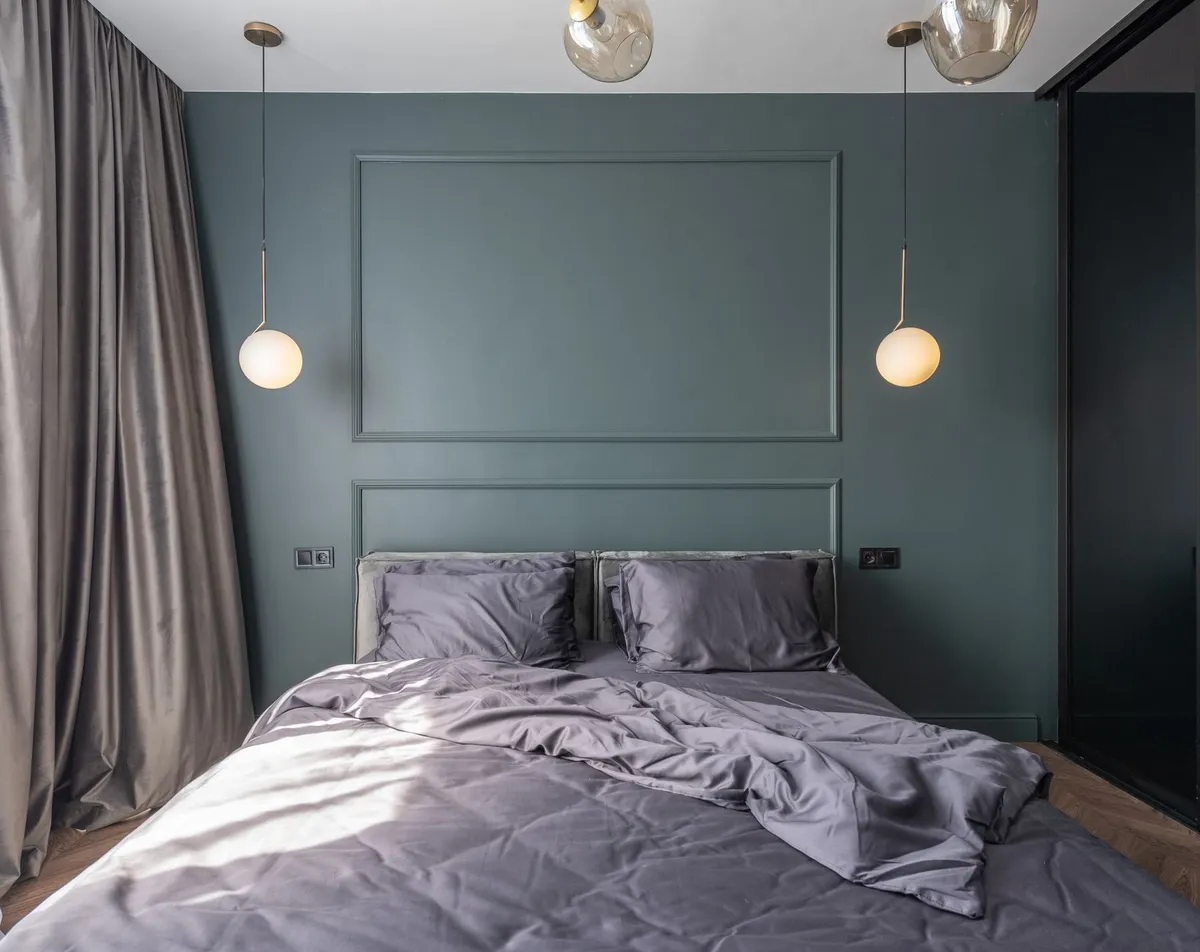
If a full makeover is not in the immediate budget, these changes have disproportionate visual impact: switching to linen bedding, adding a plug-in wall sconce on each side of the bed (eliminates the ugly bedside lamp), installing dimmer switches on existing overhead fixtures, adding a large-format canvas or gallery wall above the headboard, and repainting in a warm white or deep feature color.
FAQ
What bedroom style is best for sleep? Research consistently points to cool, dark, quiet, and visually calm. Japandi and warm minimalist styles align most closely with those conditions — low furniture, minimal visual complexity, and textiles that absorb rather than reflect light.
Should the bedroom walls be light or dark? Light walls expand space and maximize natural light, making them practical for small rooms. Dark walls (charcoal, forest green, navy) create a cocooning effect that many people find improves sleep quality. Try both with an AI render before committing to paint.
How do I make a small bedroom feel larger? Use a platform bed with storage underneath to eliminate the need for bulky dressers. Mount bedside lighting on the wall to remove table lamps and free up nightstand surface. Use mirrors strategically — one large-format mirror on a side wall doubles the perceived depth. See the bedroom guide for visual examples.
Can I see my own bedroom in different styles before redecorating? Yes — that is exactly what the free AI render is for. Upload a photo of your room and see it in Japandi, coastal, dark maximalist, or any of the 30+ available styles. The result uses your actual room proportions and light conditions.
What is the most cost-effective bedroom upgrade? Bedding quality and lighting dimmers have the highest impact-to-cost ratio. A set of quality linen bedding ($200–$400) and a $15 dimmer switch on your ceiling fixture will transform how the room feels at night more dramatically than most furniture purchases twice the price.