
Dining Room Design Ideas: From Boring to Beautiful
Transform your dining room with inspiring design ideas. AI visualization shows you mid-century, farmhouse, and 23 more styles in your actual dining room.
RoomRenovation.AI Team
Updated March 10, 2026
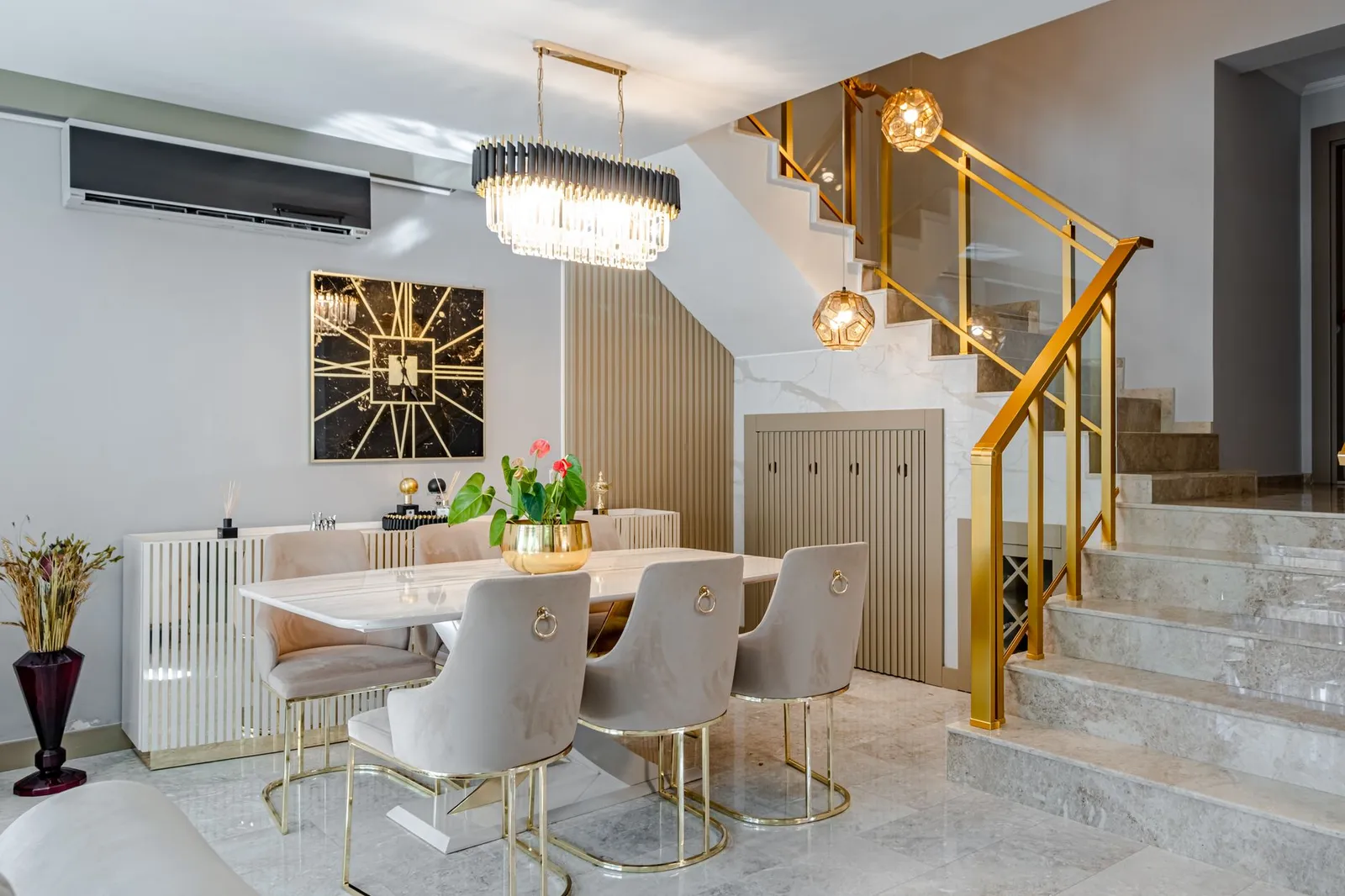
The dining room is the most emotionally loaded room in a house — it's where families debrief from the day, where guests feel either welcomed or awkward, and where an outdated light fixture can make even a great meal feel flat. Transforming a dining room doesn't require a full gut renovation. Often the right combination of lighting, seating, and a single focal-point piece can take a space from forgettable to genuinely beautiful.
Start With the Table: Size, Shape, and Material
The dining table anchors everything else. Before choosing a style, nail the fundamentals:
- Size rule: Allow 36 inches minimum between the table edge and any wall or piece of furniture. 42–48 inches is comfortable for movement.
- Seating calculation: Budget 24 inches of table width per person on the long sides. A 72-inch table seats six; 96 inches seats eight comfortably.
- Shape logic: Round tables promote conversation and work well in square rooms. Rectangular tables define the room's axis and suit rectangular spaces. Oval tables offer the social benefit of round with the capacity of rectangular.
For material, solid hardwood (white oak, walnut) provides warmth and longevity. Marble and quartzite tops read formal and dramatic but require more care. Concrete tabletops suit industrial and modern spaces and are surprisingly durable when sealed properly.
Lighting: The Single Biggest Upgrade
If you do one thing to your dining room, change the light. A pendant or chandelier hung 30–36 inches above the table surface defines the room and sets the mood for every meal.
- Scale up. Most homeowners choose fixtures that are too small. A pendant over a dining table should be 1/2 to 2/3 the table's width.
- Use a dimmer. Dinner at full brightness feels like a break room. Dimmers cost $20 and change everything.
- Consider a statement fixture. Rattan drum pendants, sculptural brass chandeliers, and large-format linen shades all work in different styles. Choose based on ceiling height and the rest of your decor vocabulary.
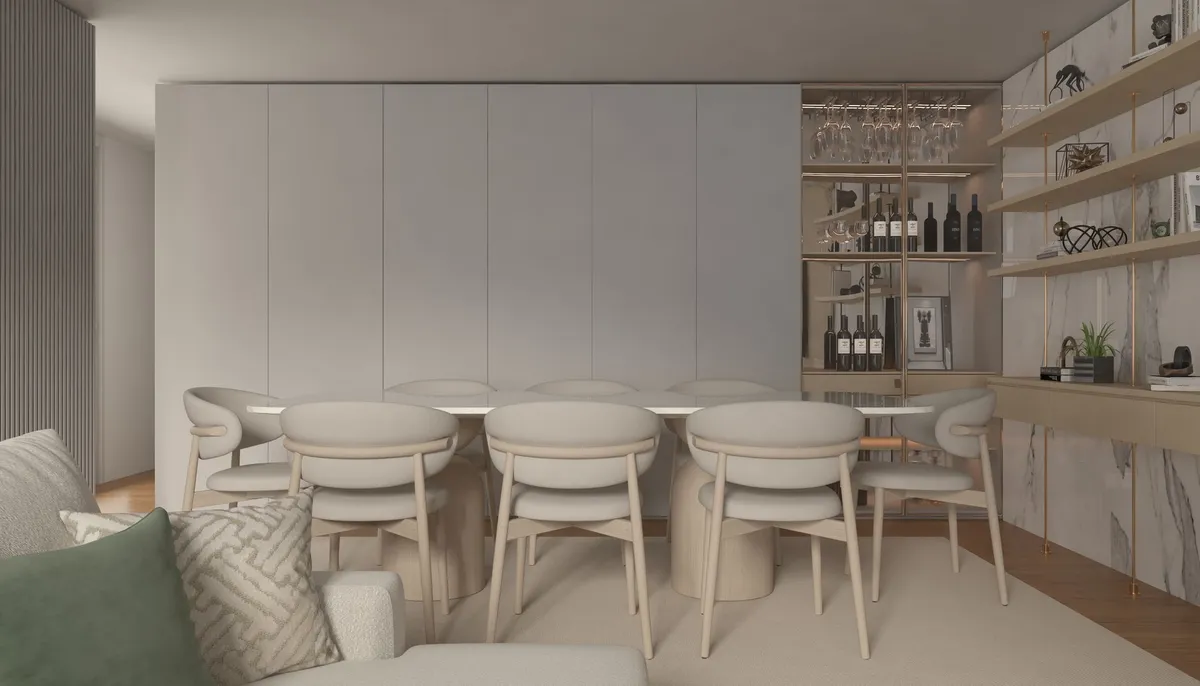
Dining Room Styles That Actually Work in 2026
Mid-Century Modern Dining
A tulip-base or solid walnut table with Eames shell chairs in a range of complementary colors creates a casual-chic room that photographs beautifully. A Sputnik chandelier above and a teak sideboard along one wall complete the look. Works in both open-plan and dedicated dining rooms.
Farmhouse / Modern Farmhouse
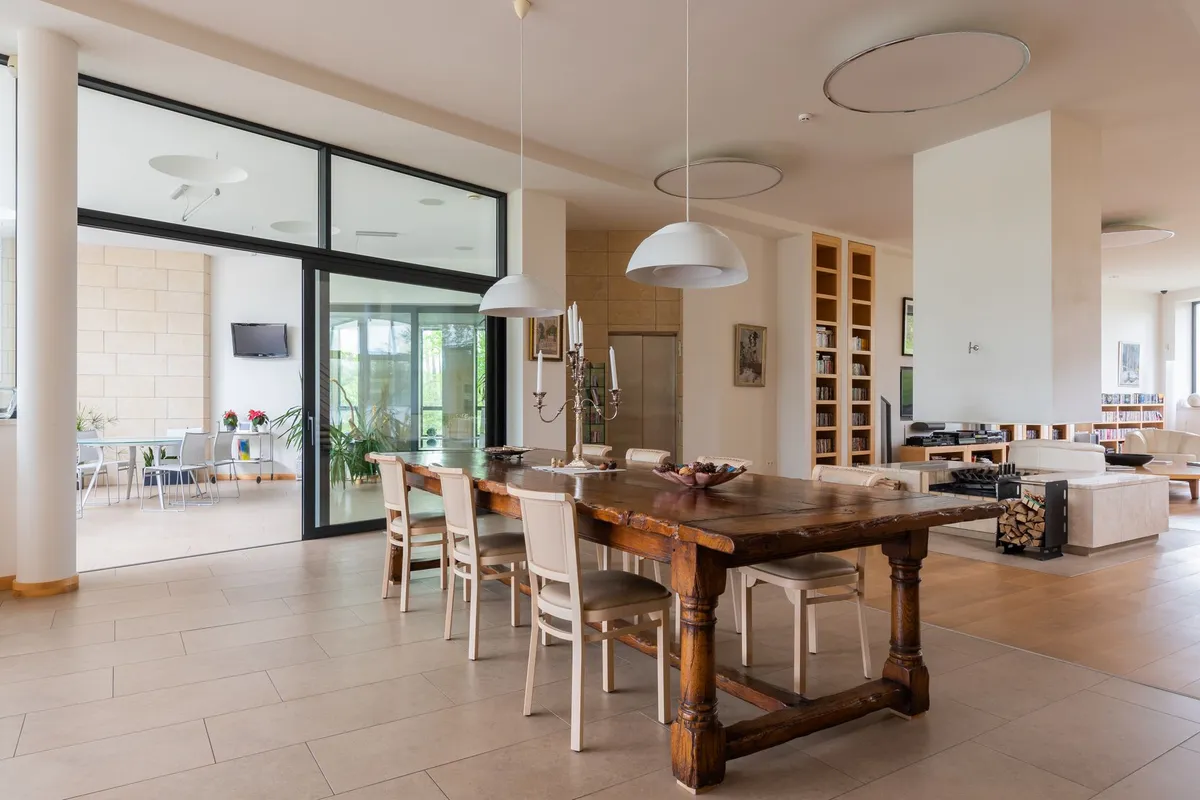
A solid pine or reclaimed oak trestle table, ladder-back or Windsor chairs, shiplap or board-and-batten on one wall, and a cluster of mason jar pendants. The key is balancing rustic textures with cleaner lines — pure farmhouse can veer kitsch without modern restraint.
Japandi Dining
The hybrid of Japanese and Scandinavian design produces dining rooms of extraordinary calm. Low-profile tables in natural ash or oak, fabric cushion floor seating or low slatted chairs, muted greens or grays on walls, and handcrafted ceramic tableware reinforce the aesthetic.
Biophilic / Natural
Live-edge dining tables cut from single slabs of walnut or maple are the anchor piece. Combine with hanging planters, rattan or woven pendant lights, and chairs in natural leather or canvas. The organic imperfections in the wood become features rather than flaws.
Formal Traditional
Dark wood pedestal table, upholstered dining chairs with nailhead trim, a crystal or tiered chandelier, and wainscoting or wallpaper on the walls. This approach suits older homes with original millwork and works best in dedicated, enclosed dining rooms.
Chair Selection: Comfort First, Then Style
Dining chairs get more daily use than almost any other piece of furniture in the home. A chair that looks great but causes back pain will be abandoned. Key considerations:
- Seat height: Standard is 17–19 inches. The gap between seat and table should be 10–12 inches.
- Armchairs: Host and end chairs benefit from arms; side chairs along the table length can do without.
- Upholstered vs. hard seat: Upholstered seats are more comfortable for long meals but require more maintenance. Performance fabrics (Crypton, Sunbrella) handle spills far better than standard upholstery.
- Mixing chairs: Using a different host chair (upholstered captain at each end, matching side chairs along the length) adds visual interest without chaos.
The Sideboard / Buffet: Storage and Display
A sideboard along the wall opposite windows serves double duty: it provides serving and storage space during meals and acts as a display surface for art, mirrors, and objects the rest of the time. Sizing guidance: the sideboard should be roughly the same width as the table or slightly narrower, and about counter height (34–36 inches).
Style options range from mid-century walnut credenzas to painted shaker-style buffets to raw oak Danish designs. Whichever you choose, leave the top intentionally edited — a pair of candlesticks, one piece of art leaning against the wall, and a small plant is usually enough.
Color and Wall Treatments for Dining Rooms
Dining rooms tolerate bolder color choices than most other spaces because you spend focused, lower-ambient-light time in them. Deep greens (forest, olive, sage), navy and inky blues, terracotta, and warm brick reds have all proven effective. A single accent wall in a deep, matte-finish color creates depth without making the room feel small.
Wallpaper — once considered dated — has made a serious comeback. Botanical prints, grasscloth, and graphic geometric papers work particularly well in dining rooms where a single feature wall has high visual impact.
Want to test bold colors in your dining room before pulling the trigger on paint or paper? Upload a photo and visualize your options with AI rendering in under a minute.
Rugs in the Dining Room
A rug grounds the dining grouping and adds warmth underfoot. The critical sizing rule: the rug must extend at least 24 inches beyond the table on all sides so chairs remain on the rug when pulled out. A 9x12 rug under a six-seat table is usually the minimum; 10x14 for eight seats.
For material, low-pile or flatweave rugs are easiest to clean. Natural fibers like jute add texture but can be harder to maintain under a dining table. Indoor-outdoor rugs in polypropylene are the most practical choice for families with young children.
AI Visualization Before You Buy
One of the most frustrating aspects of dining room renovation is that furniture is expensive and difficult to return. Before committing to a new table, chairs, or a lighting fixture, use RoomRenovation.ai to see exactly how different styles look in your actual space. Upload your dining room photo, choose from 30+ design styles, and get photorealistic renders in seconds. At a few dollars per render, it costs less than a single return shipping charge. See before-and-after examples from real dining rooms.
FAQ
How do I make a small dining room feel larger? Use a round table (eliminates sharp corners and allows more flexibility in chair placement), mirrors on one wall to reflect light and depth, light-colored flooring or a pale rug, and a single overhead pendant rather than a large chandelier. Avoid heavy drapery that absorbs light.
What's the ideal ceiling height for a dining room chandelier? For 8-foot ceilings, the bottom of the fixture should hang 30 inches above the tabletop. Add 3 inches for each additional foot of ceiling height — so at 10 feet, the bottom hangs 36 inches above the table.
Can I use a kitchen island as a dining table? Counter-height islands (36 inches) require bar stools (26–28 inch seat height) rather than standard dining chairs. This works well for casual eating but can feel less formal for dinner parties. A separate dining table at standard height (30 inches) always reads more intentional.
How much does a dining room renovation typically cost? A cosmetic refresh — new light fixture, paint, and accessories — can run $500–$2,000. A mid-range renovation with new furniture and flooring runs $5,000–$15,000. A full structural renovation with a dining room addition costs $25,000–$75,000 or more. See our renovation cost guides for more detail.
What are the most popular dining room styles right now? In 2026, Japandi, warm minimalism, and nature-forward biophilic dining rooms are the top requests on AI design platforms. Traditional formal dining rooms are less common in new construction but remain popular in period homes where they suit the architectural context.