
The Future of Interior Design: AI-Powered Renovation
How AI is shaping the future of interior design and home renovation. Emerging trends, technology predictions, and what homeowners can expect in 2026-2030.
RoomRenovation.AI Team
Updated March 14, 2026
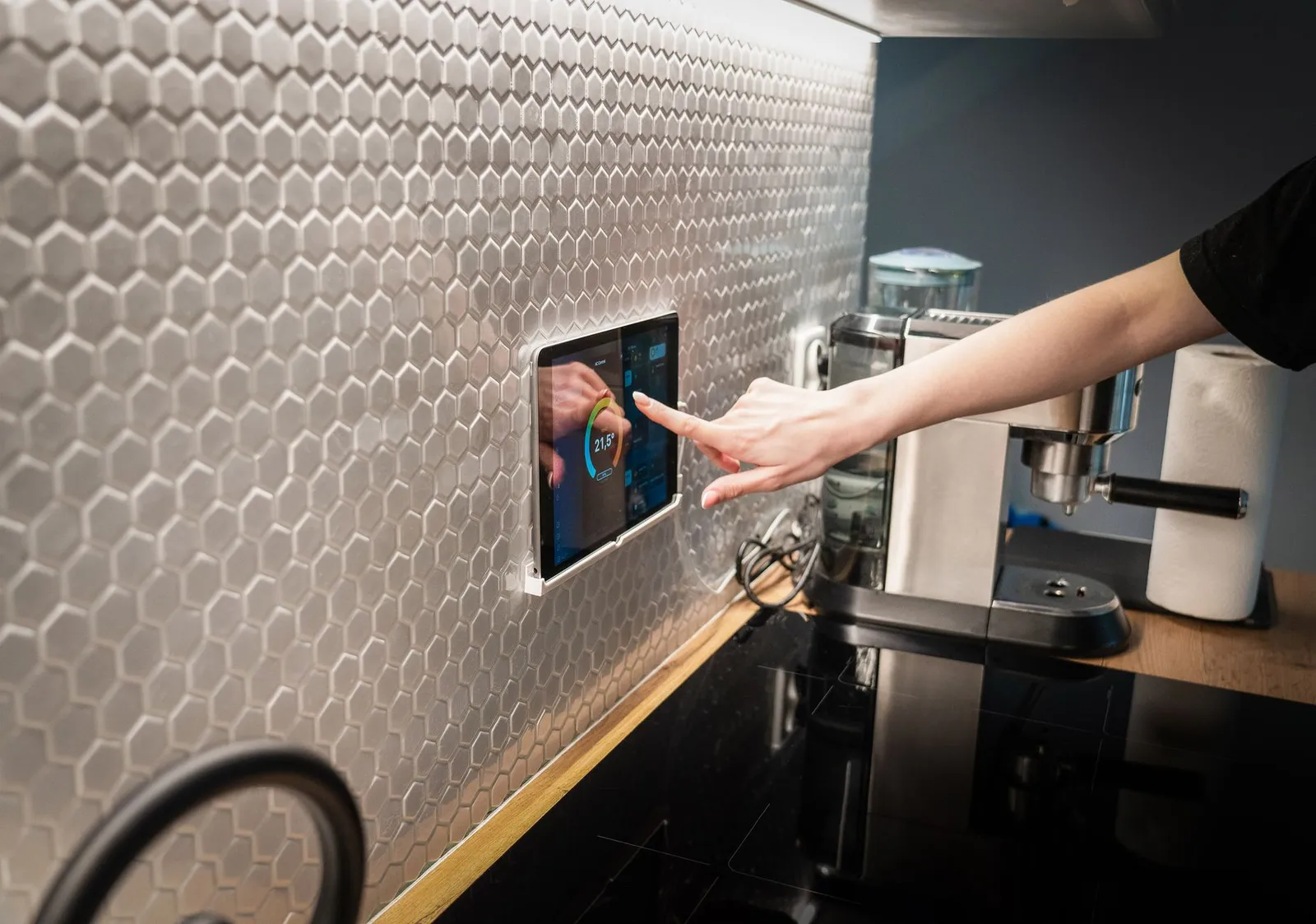
The future of interior design is already here — it is just unevenly distributed. AI-powered room visualization, parametric furniture, responsive lighting systems, and materials that adapt to occupant behavior are not science fiction. They exist as commercial products today, and the 2026–2030 window will see them move from early adopter novelty to mainstream renovation expectation. For homeowners planning significant work, understanding these shifts now means making smarter decisions about what to build in permanently and what to leave flexible.
Where AI Design Is Right Now
The most visible AI revolution in interior design is in visualization. Tools like RoomRenovation.AI let homeowners upload a photo of their actual space and see it rendered in photorealistic detail across dozens of styles — a process that previously required a professional renderer and a $2,000–$5,000 budget. That democratization is not cosmetic: it changes who makes design decisions and how quickly those decisions get validated.
Architects and interior designers are adopting AI at the planning stage to generate concept variants faster, explore material combinations they would not have considered manually, and present clients with realistic options earlier in the project timeline. What used to take two weeks of drafting now happens in hours.
On the specification side, AI is beginning to assist with space planning constraints — suggesting furniture arrangements that optimize traffic flow, natural light usage, and acoustic performance simultaneously, rather than asking the designer to optimize each factor sequentially.

Spatial Computing and the Physical-Digital Interior
Apple Vision Pro and competing spatial computing platforms are quietly changing how homeowners interact with design decisions. By 2027, it will be routine to place a virtual piece of furniture in your physical room, walk around it at actual scale, and evaluate it from every angle before purchasing. This removes one of the most persistent problems in furniture buying: the inability to accurately predict scale in a three-dimensional space from a two-dimensional catalog photo.
IKEA, Wayfair, and several premium furniture brands already offer AR placement tools via smartphone. The spatial computing transition takes that from a flat-screen approximation to a genuinely immersive preview. For homeowners, this means the decision confidence to buy a larger piece — an oversized sofa, a statement dining table — because the uncertainty about fit is eliminated.
Materials Science and Adaptive Surfaces
The materials available to interior designers in 2026 are substantially more interesting than five years ago:
- Electrochromic glass changes tint on command, eliminating the need for window treatments in some applications. Cost has dropped from $150/sq ft to approximately $45–$65/sq ft for standard residential applications.
- Phase-change materials (PCMs) embedded in wall panels or flooring absorb heat during the day and release it at night, reducing HVAC load while maintaining thermal comfort. Already standard in some passive house builds.
- Acoustic panels with adaptive absorption tune room sound characteristics based on occupancy and activity — a home theater setting versus a podcast recording setting in the same room.
- Self-healing coatings on countertops and flooring that close minor scratches through ambient temperature change are moving from laboratory to consumer product.
Lighting Intelligence
Lighting is where smart home technology and interior design intersect most visibly. Circadian lighting systems — which shift color temperature and intensity to follow natural daylight rhythms — are proven to improve sleep quality, mood, and productivity when implemented correctly. What distinguishes the better implementations from gimmicky ones is integration: the lights do not call attention to themselves. They simply make the room feel right at every hour.
The next generation of architectural lighting goes further. Luminous ceiling panels that mimic overcast sky light are already available from manufacturers like Coelux and Sky Factory. These use depth-of-field optics to create the visual impression of a skylight where none exists — useful for interior rooms, basements, and north-facing spaces that receive no direct sun.

AI-Personalized Space Recommendation
The next evolution beyond style rendering is preference learning. Rather than asking homeowners to browse style categories — minimalist, traditional, coastal — AI systems will infer design preferences from behavioral data: the photos you save, the colors you wear, the furniture you own, the neighborhoods you gravitate toward. Early versions exist in consumer apps; by 2028, expect them to be embedded in real estate platforms, renovation loan underwriting, and material specification tools.
For the homeowner, this means design advice that is genuinely personalized rather than statistically averaged. Instead of "people who like minimalism also buy Scandinavian pieces," the system learns your specific balance between warmth and restraint and translates that into specific product recommendations and room configurations.
Sustainability Driving Design Choices
Environmental performance is becoming an aesthetic category. Homeowners increasingly want to see the embodied carbon, recyclability, and durability credentials of materials alongside their visual properties. AI specification tools are beginning to layer this data into the selection process — flagging when a beautiful engineered quartz countertop has a larger carbon footprint than a comparable recycled glass alternative that performs similarly in renders.
Biophilic design — incorporating natural materials, live plants, water features, and views of nature — has moved from trend to evidence-based practice. Studies consistently show measurable stress reduction in spaces with direct or indirect nature connection. By 2030, biophilic elements in residential interiors will be standard rather than premium.
What This Means for Renovations You Are Planning Now
For homeowners with renovations planned in the next two years, these trajectories suggest a few practical priorities:
- Wire for flexibility. Install conduit and extra electrical capacity in walls now; the cost of doing it during construction is minimal, and the cost of retrofitting later is significant.
- Choose durable, neutral fixed elements. Flooring, tile, and cabinetry that will outlast trend cycles. Update softgoods (textiles, lighting, paint) as style preferences evolve.
- Use AI to validate before committing. The free room render and the full design dashboard let you test directions before booking contractors. That is the AI revolution that is available today, not in 2028.
- Budget for smart lighting infrastructure. The marginal cost of dimmer-compatible LED circuits and pre-wired switch positions during electrical work is small; retrofitting is expensive.

Will AI Replace Interior Designers?
No — but it will change what designers are hired to do. Routine visualization, mood board assembly, product sourcing from standard catalogs, and basic space planning are becoming automated. That frees professional designers to focus on the genuinely creative and judgment-intensive work: managing complex contractor relationships, solving unusual spatial constraints, sourcing custom elements, and understanding client psychology well enough to translate vague preferences into specific decisions.
For homeowners who previously could not afford a designer at all, AI tools provide meaningful access to quality design guidance. For those working with designers, AI tools accelerate the early stages so more time is spent on refinement rather than exploration. Visit the tools page to see the current capabilities, and explore example renders to calibrate what AI can produce today.
FAQ
How accurate are AI room renders? Current AI renders are photorealistic in style and proportion but are design references rather than exact predictions. They capture lighting mood, furniture scale, and material feel accurately. Minor differences from a physical build are normal and expected.
Will AI design tools get cheaper? Yes. The trajectory of almost all AI-powered software is toward commoditization. What costs a professional hourly rate today will be available as a consumer subscription within a few years. Early adopters who learn the tools now are better positioned as they improve.
What is the biggest AI limitation in interior design? Current AI tools do not fully understand acoustic performance, thermal behavior, or the feel of materials under touch. They excel at visual simulation. The multisensory experience of a well-designed space still requires human expertise to specify correctly.
How do I start using AI for my renovation planning today? Upload a photo of your room to the free render tool, choose a style direction, and see a photorealistic version of your space in minutes. It is the most practical first step before any design conversation with a contractor or designer.