
Scandinavian Interior Design: Complete Style Guide
Everything about Scandinavian interior design. Light wood, hygge comfort, and functional beauty. Learn how to achieve the Nordic look in any room.
RoomRenovation.AI Team
Updated January 10, 2026
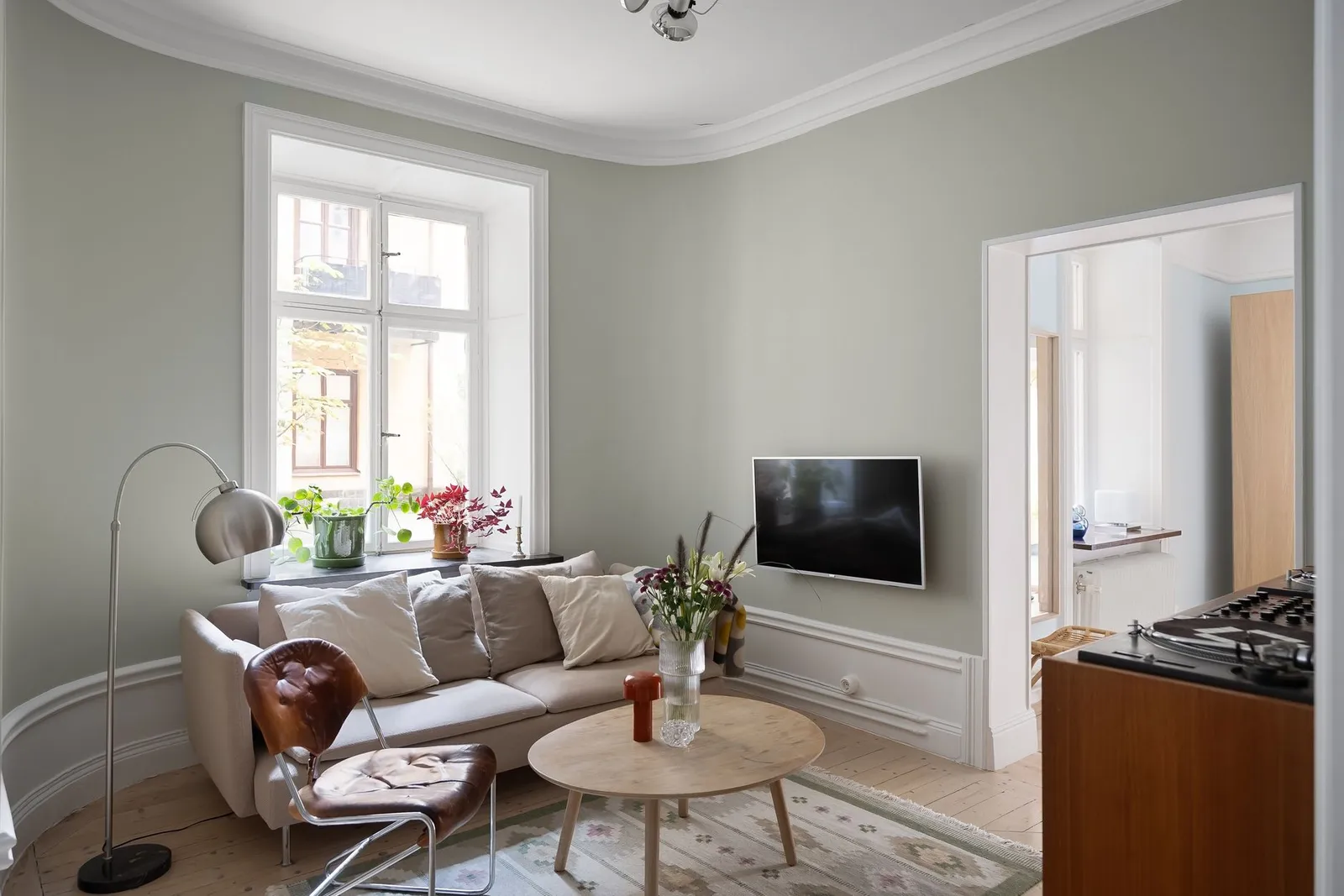
Scandinavian interior design has remained one of the most influential aesthetics in global home décor for good reason: it is simultaneously warm and spare, functional and beautiful, deeply rooted in climate and culture yet universally appealing. If you have ever lingered over an image of a Stockholm apartment bathed in cool northern light — pale floors, a woolen throw, a single ceramic pitcher on a shelf — you already understand the pull of this style.
This guide unpacks exactly what makes Scandinavian design tick, how to identify its core elements, and how to bring them into your own home regardless of your starting point or budget.
The Philosophy Behind the Aesthetic
Scandinavian design did not emerge from a decorator's mood board. It grew from necessity in Norway, Sweden, Denmark, and Finland: long, dark winters demanded that interiors feel warm and light-filled; a tradition of skilled but pragmatic craftwork meant that every object justified its existence; and a strong folk-art lineage insisted that even everyday items carry a degree of beauty.
That combination — utility plus beauty, warmth plus restraint — is the beating heart of the style. The Danish concept of hygge (roughly translated as cozy conviviality) and the Swedish notion of lagom (just the right amount) both encode this balance. Neither maximalism nor cold minimalism, Nordic interiors sit in a considered middle ground that feels simultaneously lived-in and intentional.
Key Design Elements
Light and White as a Base
Pale walls — typically warm whites, soft grays, or the faintest blush — reflect the limited daylight of Nordic latitudes. Rather than adding color for its own sake, Scandinavian design uses white as a canvas that changes character with the hour and season. If your room receives limited natural light, this is the single highest-impact move you can make: a coat of warm white instantly opens the space.
Layer light sources to compensate for limited windows. Scandinavian interiors characteristically combine overhead pendants with table lamps, floor lamps, and candles — the goal is pools of warm incandescent glow rather than uniform fluorescent brightness.
Natural Materials Handled Honestly
Light-toned woods — birch, pine, ash, and the iconic Danish teak — appear in flooring, furniture legs, shelving, and cabinetry. The grain is celebrated rather than painted over. Wool, linen, and cotton appear in textiles; leather is used sparingly and ages into patina rather than being replaced. Ceramic, stone, and glass complete the material palette.
Critically, these materials are not treated as luxury markers but as ordinary parts of daily life. A plain birch stool, precisely proportioned, communicates the same philosophy as an expensive walnut dining table: respect for the material and the craft.
Functional Furniture with Clean Lines
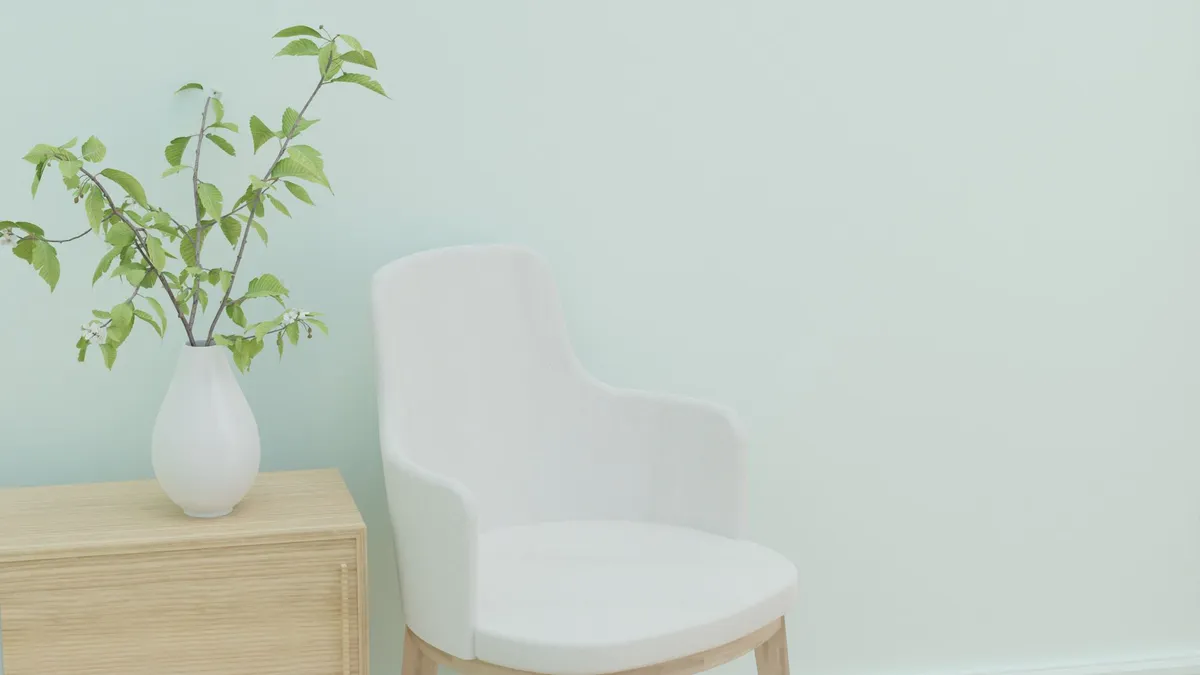
Scandinavian furniture is recognizable by its tapered legs, considered proportions, and absence of ornament. Pieces do one thing well and get out of the way. A sofa offers generous seating but sits low and unobtrusive. A dining table has enough visual weight to anchor the room without dominating it.
Iconic designs — Arne Jacobsen's Series 7 chair, Hans Wegner's Wishbone chair, Alvar Aalto's birch-and-bent-plywood stools — remain in production because their proportions work across decades. Contemporary versions at more accessible price points are everywhere; the key is choosing pieces with honest construction and avoiding those with gratuitous decorative detailing.
Textiles as the Warmth Layer
Where Scandinavian design might otherwise feel austere, textiles do the emotional work. A chunky knit throw draped over a chair, a hand-woven wool rug anchoring the seating area, linen curtains pooling slightly on the floor — these soften and invite without cluttering. Stick to a limited palette within the textiles: two or three coordinating tones rather than a rainbow.
Curated Objects, Not Clutter
Shelf styling in Nordic interiors follows the same edit-down principle as everything else. A few well-chosen ceramics, a stack of books with spines facing outward, a plant — each object has breathing room. The negative space between objects is part of the composition, not an oversight.
Room-by-Room Application
Living Room
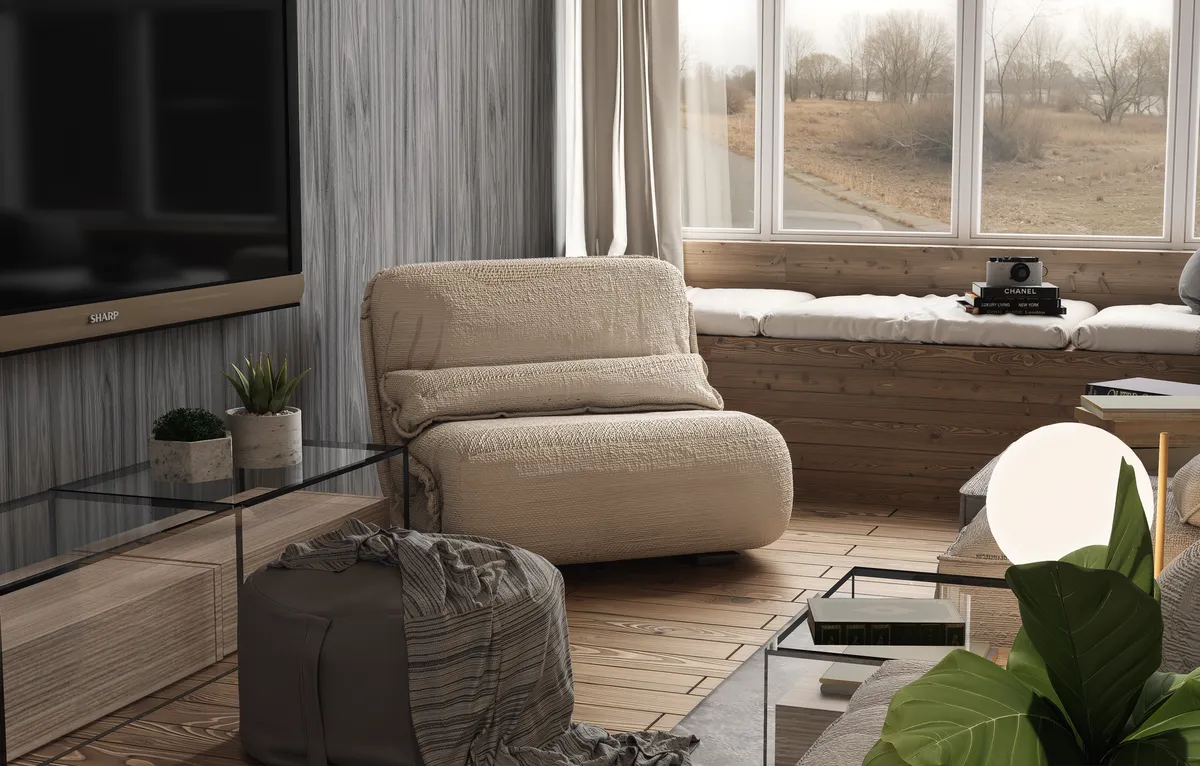
Ground the room with a light-toned wood floor or a low-pile natural rug. Choose a sofa in a warm neutral — oatmeal, stone, or a muted sage — and layer with different-textured cushions in the same color family. A statement pendant light (paper, rattan, or matte white ceramic) provides the focal point above a coffee table in raw wood or stone.
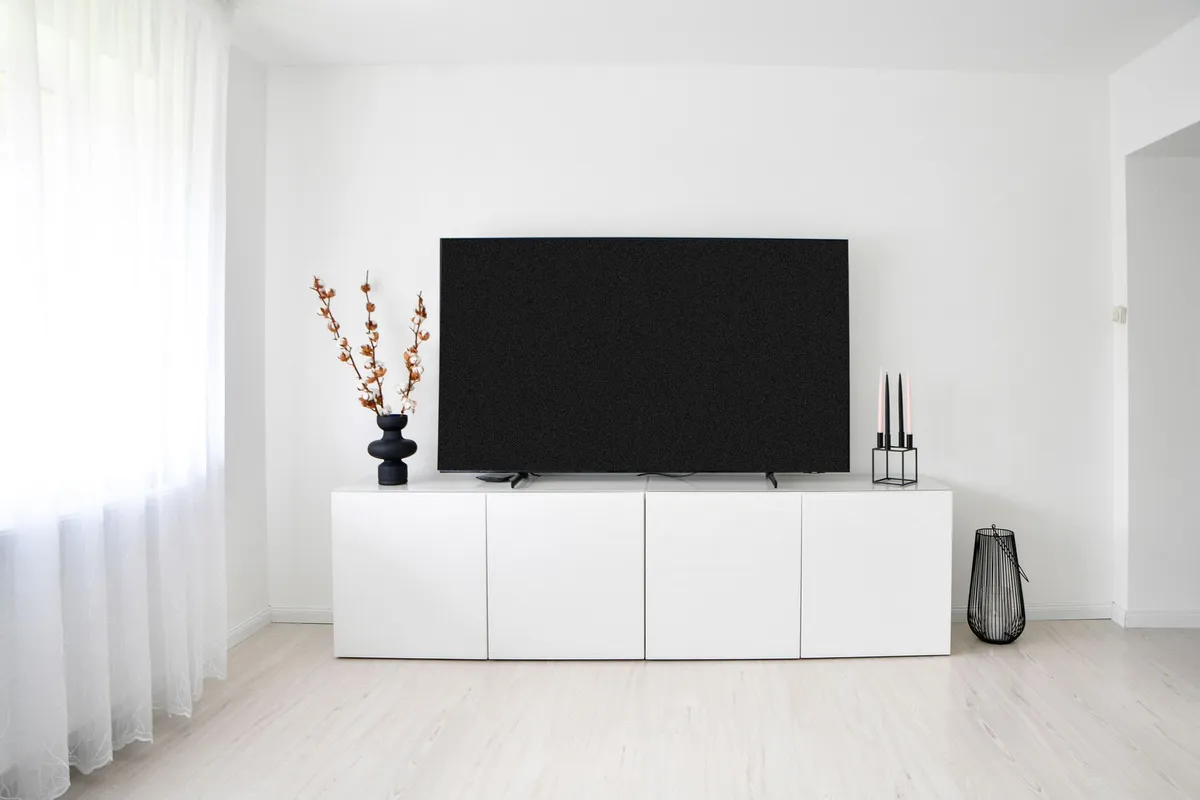
Keep electronics minimal and concealed where possible. A television on a low sideboard rather than wall-mounted on a giant bracket preserves the horizontal emphasis that characterizes Scandinavian rooms.
Kitchen
Flat-front cabinetry in white or pale gray, open shelving for everyday ceramics, and honest countertops in butcher block or light stone. Hardware is minimal — a simple bar pull in matte black or brushed brass reads as intentional against the clean cabinet fronts. Swap under-cabinet fluorescents for warm LED strips to avoid the clinical feel.
Bedroom
The Scandinavian bedroom is a sanctuary. White or linen bedding with textural layers — a waffle-weave blanket, a faux-fur throw — creates depth without pattern overload. Bedside lighting is warm and low; wall-mounted sconces free up surface space on compact nightstands. A single piece of art above the bed or a plant on the windowsill provides a visual anchor without crowding the space.
Color Within Restraint
Calling Scandinavian design strictly monochrome misreads it. Traditional folk art introduced rich blues, deep greens, rusty terracottas, and dusty pinks as accent tones — and contemporary Nordic interiors continue this tradition with sophistication. The difference from maximalist approaches is that one or two accent colors are used consistently and carefully rather than accumulated.
Dusty sage green on a single wall, repeated in a pillow and a ceramic vase, creates a cohesive and satisfying effect. Navy in the kitchen textiles and reiterated in a piece of artwork reads as intentional. The restraint is what gives these colors their weight.
How to Visualize Your Nordic Redesign Before You Buy Anything
Scandinavian interiors look deceptively simple but require careful calibration — too many items and the whole thing collapses into clutter; too stark and it reads as cold rather than calm. This is precisely where AI room visualization pays off: you can upload your current room and test a true Scandinavian approach — white walls, pale floors, pared-back furniture — before spending a dollar on paint or a new sofa.
RoomRenovation.AI offers a dedicated Scandinavian style preset that applies the full palette and material language to any room photo you upload. Generate multiple variations to find the specific balance of warmth and restraint that suits your space. See the before-and-after gallery for real-room transformations. When you are ready to commit, pricing starts at just a few dollars per render — a fraction of what a design consultation would cost.
Budget Realities in 2026
Achieving a convincing Scandinavian aesthetic does not require Scandinavian price tags. The main cost centers are:
- Flooring: Light oak LVP runs $3–$7 per square foot installed, making it accessible for most budgets. A large jute or wool rug ($150–$600) can cover existing flooring you cannot change.
- Paint: A warm white repaint in a medium-size room typically costs $200–$500 in materials and labor — the highest-impact change for the lowest cost.
- Furniture: Flat-pack birch furniture from Scandinavian-inspired retailers starts around $100–$300 for key pieces. Mid-market solid-wood options run $400–$1,200. Vintage and secondhand markets are exceptionally productive for this style.
- Textiles: Budget $100–$300 for linen curtains, a wool throw, and a set of coordinated cushion covers.
A convincing living room transformation is achievable for $1,000–$3,000 in total if you prioritize selectively and use AI visualization to avoid expensive mistakes.
FAQ
Is Scandinavian design the same as minimalism? Not exactly. Scandinavian design values function and warmth alongside simplicity; it incorporates textiles, folk-art traditions, and natural materials that pure minimalism tends to avoid. Think of it as warm minimalism with a distinct cultural identity.
Can I achieve a Nordic look without replacing my floors? Yes. A large light-toned rug can cover existing flooring convincingly. Pair it with white walls, natural-wood furniture, and curated textiles and the floor becomes secondary.
What plants work well in a Scandinavian interior? Simple, architectural forms suit the aesthetic best: monstera, fiddle-leaf fig, snake plant, and trailing pothos in plain white or terracotta pots. Avoid overly exotic or fussy specimens that compete with the room's calm.
How do I keep it from looking clinical or cold? Warmth comes from layering textures — a chunky knit, a woven rug, a linen cushion — and from using warm light sources (2700–3000K) rather than cool LEDs. A few personal objects and plants add life without cluttering.
How many colors can I use? A neutral base plus one or two accent tones is the sweet spot. Introduce them consistently through textiles, a single painted wall, and one or two ceramic or decorative objects so they read as deliberate rather than accumulated.