
Kitchen Renovation Cost by US City in 2026
Kitchen renovation costs vary widely by city. Compare 2026 kitchen remodel prices across major US cities, what drives the differences, and how to budget.
RoomRenovation.AI Team
Updated June 9, 2026
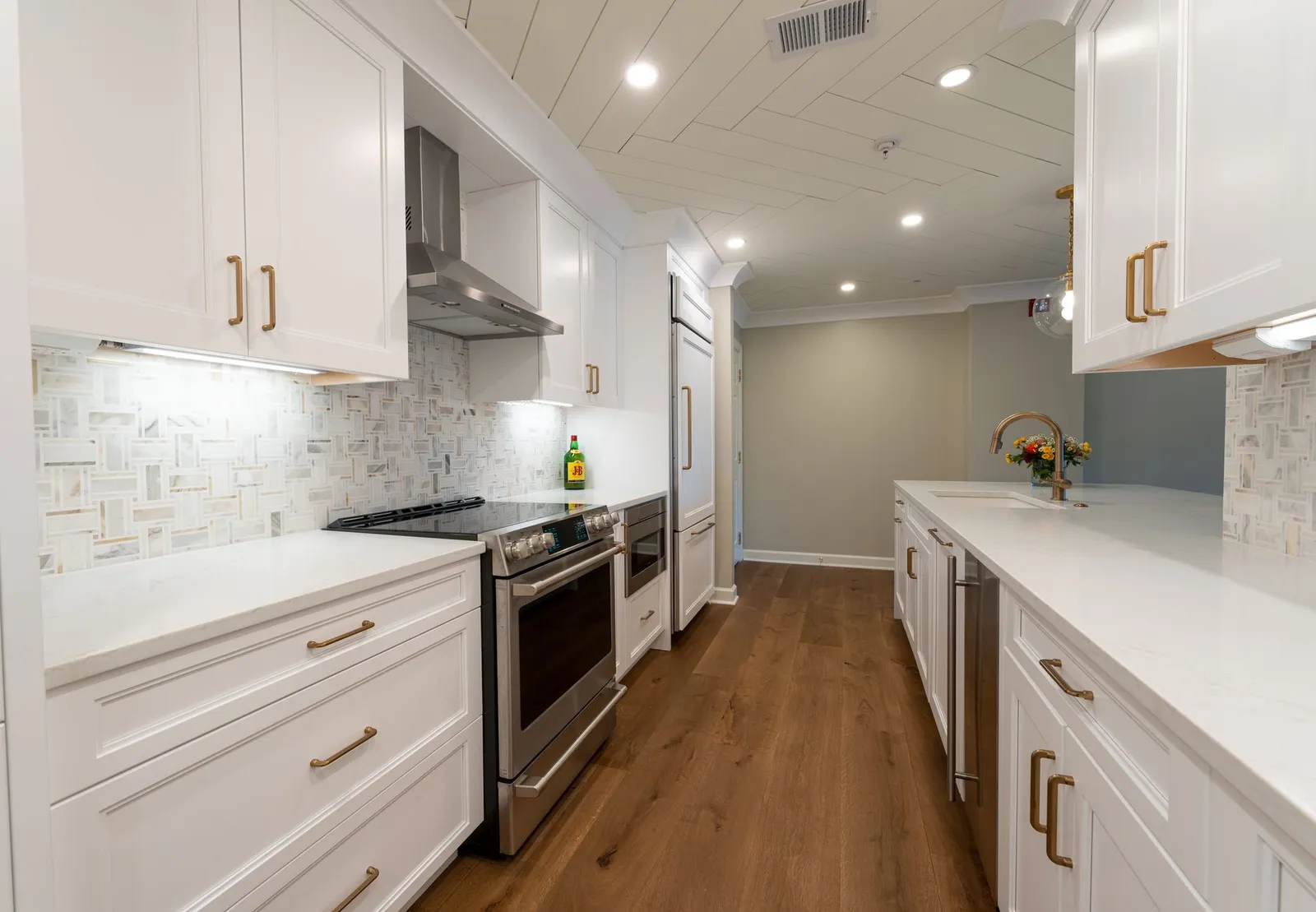
Kitchen renovation costs vary dramatically by US city — the same cabinet, countertop, and appliance package that runs $35,000 in Kansas City can cost $75,000 in San Francisco. Understanding the local cost factors that drive these differences, and knowing what to expect in your specific market, is the difference between an informed renovation plan and an expensive surprise. This guide breaks down 2026 kitchen renovation costs across major US markets, explains what drives the variation, and shows how AI visualization helps you make smarter decisions before your first contractor conversation.
What Drives Kitchen Renovation Cost Variation by City
Labor is the primary variable. Materials — the cabinets, countertops, appliances, and tile you spec — cost roughly the same nationwide with modest regional variation in shipping and availability. Labor costs, however, track local wages, contractor demand, and permit costs, which range enormously. A licensed kitchen contractor in San Francisco charges $85–$150 per hour; the same work in Memphis costs $45–$75 per hour. On a project that requires 200–400 hours of skilled labor, that difference adds up fast.
The secondary variables: permit costs and timelines, local building code requirements, contractor availability (high-demand markets have longer lead times and less price competition), and the local kitchen aesthetic expectations that shape what "standard" means in renovation proposals. A kitchen that passes unnoticed in Atlanta would look underfurnished in Los Angeles, because local market expectations have trained both homeowners and contractors to include specific features.
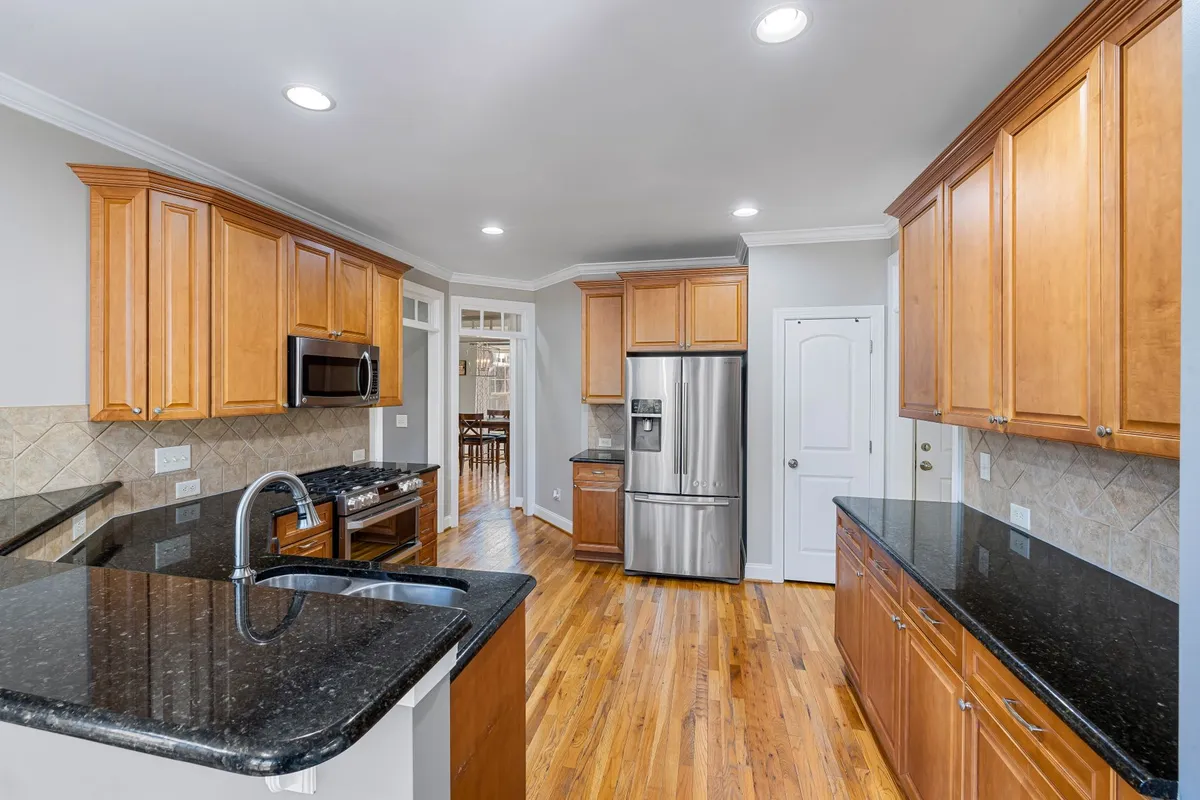
Kitchen Renovation Costs by Major US City in 2026
High-Cost Markets: $55,000–$120,000+ for Mid-Range Renovation
San Francisco and the Bay Area lead the nation in kitchen renovation costs. A mid-range kitchen renovation — semi-custom cabinets, quartz countertops, mid-tier appliances, tile backsplash, and new flooring — runs $65,000–$95,000 for a typical 150–200 square foot kitchen. Permit costs alone can reach $5,000–$12,000. Custom cabinet shops in the Bay Area charge $1,200–$2,500 per linear foot installed; the same cabinets in a mid-cost market run $400–$900 per linear foot. The upside: strong renovation ROI due to high property values means you recover a higher percentage of investment at sale.
New York City competes closely with the Bay Area. Manhattan and prime Brooklyn kitchen renovations run $60,000–$100,000 for mid-range work, with union labor requirements in certain building types adding a mandatory premium. Logistics in high-rise buildings add cost that suburban markets don't face: freight elevators, work hours restrictions (typically 8am–5pm with no weekend work in many co-op buildings), and the complexity of working in buildings shared with other residents.
Seattle and Boston sit slightly below the top tier but well above national average: $50,000–$80,000 for a comparable mid-range kitchen renovation. Both markets have high contractor demand driven by sustained housing activity, and both have meaningful permit and inspection requirements that add cost and time.
Above-Average Markets: $35,000–$65,000 for Mid-Range Renovation
Los Angeles spans a wide range depending on neighborhood: a kitchen renovation in Brentwood or Santa Monica runs closer to Bay Area pricing ($60,000–$90,000), while the same work in the San Fernando Valley or Inland Empire runs $35,000–$55,000. The market has bifurcated sharply by zip code in ways that matter for renovation expectations and ROI calculations.
Chicago is the largest mid-to-above-average market nationally: $38,000–$65,000 for a mid-range kitchen renovation. Union labor is relevant for certain project types; permit requirements in the city are thorough. The Chicago market has strong contractor competition in the suburbs, with more predictable pricing than either coast.
Washington DC runs $40,000–$68,000 for mid-range kitchen work, with notable variation between the city and Maryland/Virginia suburbs. The government-worker concentration in the market creates stable demand for solid mid-range renovations that are neither budget nor luxury.
Miami and South Florida have seen significant cost increases since 2022 as population growth drove contractor demand above local supply. Budget $38,000–$60,000 for mid-range kitchen work, with hurricane-specific code requirements adding cost to certain structural elements.
Average Markets: $25,000–$45,000 for Mid-Range Renovation
Dallas and Houston offer some of the best value in large-metro kitchen renovation nationally: $25,000–$42,000 for a comparable mid-range project. No income tax, lower land and housing costs, and strong contractor competition in both metro areas keep prices manageable. The downside: extreme heat drives higher labor costs in summer months when outdoor work and attic access slow projects.
Phoenix and Denver have moved up the cost scale as population growth increased contractor demand. Budget $30,000–$48,000 in Phoenix; $33,000–$52,000 in Denver, where altitude and cold-weather building conditions add winter project complexity.
Atlanta remains a strong value market at $27,000–$43,000 for mid-range kitchen renovation. Competitive contractor market, lower permitting costs, and reasonable labor rates make it one of the better large metros for renovation value.
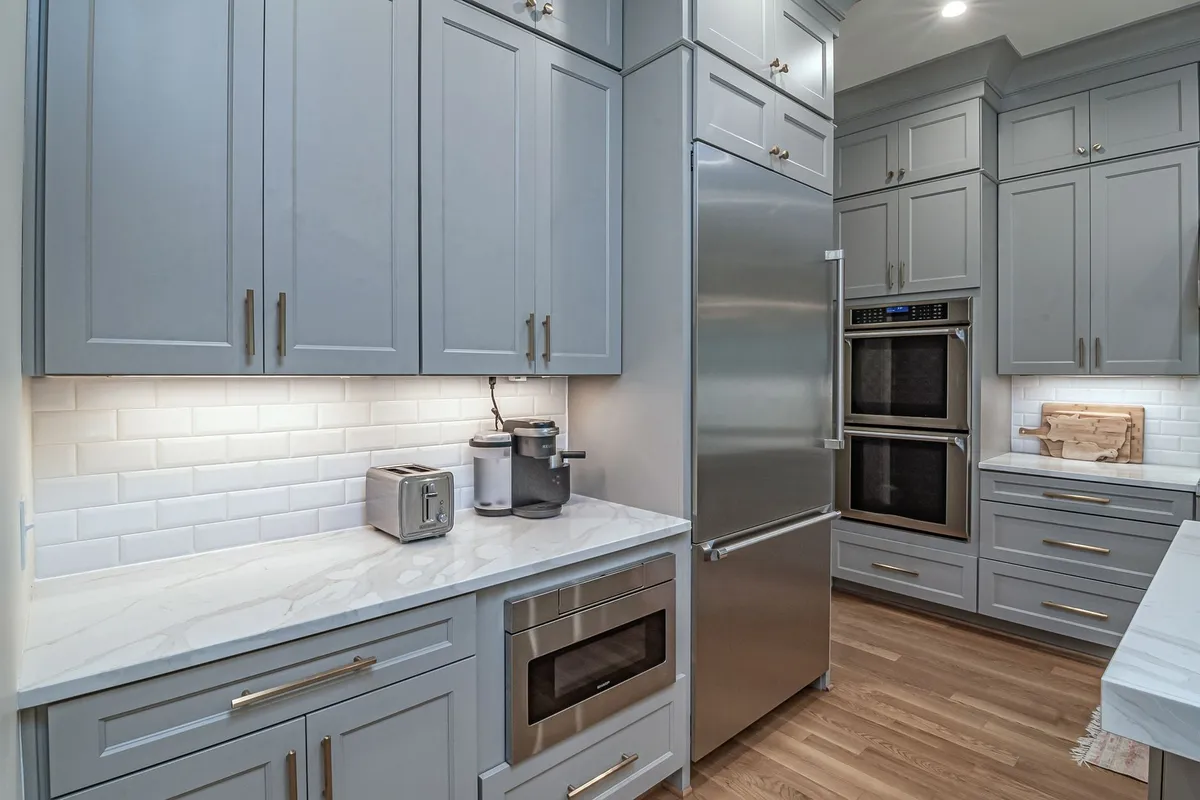
Below-Average Markets: $18,000–$35,000 for Mid-Range Renovation
Kansas City, Indianapolis, and Columbus represent the Midwest value tier where contractor labor rates are meaningfully lower and permit costs modest. A well-executed mid-range kitchen renovation — semi-custom cabinets, decent appliances, quartz or granite counters, tile backsplash — runs $20,000–$35,000. These markets also tend to have shorter project timelines due to less contractor backlog.
Memphis, Birmingham, and Tulsa are among the most affordable large-market renovation environments in the country. Mid-range kitchens run $18,000–$30,000. The challenge in these markets is finding contractors who specialize in high-quality finishes — the top tier of cabinet installation and tile work that premium markets have in abundance can be harder to source.
The Three Tiers of Kitchen Renovation: What Each Includes
Budget Renovation: $10,000–$25,000 (National Average Range)
Stock cabinets (IKEA SEKTION, Home Depot stock in-stock units), laminate or entry-level quartz countertops, standard appliance package (range, dishwasher, refrigerator in the $2,500–$4,000 range total), ceramic or vinyl tile, and basic fixtures. The constraint at this tier is typically cabinet quality — stock cabinets are functionally adequate but aesthetically limited, and their hardware and construction show in daily use within a few years. Best for kitchens you're renovating primarily for function or for a quick-sale situation where cost recovery is the goal.
Mid-Range Renovation: $30,000–$65,000 (National Average Range)
Semi-custom cabinets (soft-close doors and drawers, plywood boxes, quality hardware, meaningful color and style choice), quartz or natural stone countertops, a quality appliance package ($4,000–$8,000 for the suite), subway or natural stone tile backsplash, hardwood or LVP flooring, and updated lighting. This tier produces kitchens that photograph beautifully and hold up for 20+ years. The local cost variation described above applies most directly here.
High-End Renovation: $70,000–$200,000+ (National Average Range)
Custom cabinetry from a dedicated cabinet shop, premium stone countertops (quartzite, marble, book-matched stone), professional-grade appliances ($10,000–$30,000 for a full professional suite), custom tile work, specialty lighting design, and often structural changes (island additions, wall removals, window additions). In high-cost markets like San Francisco and NYC, even this tier compresses into the lower end of the range due to the baseline cost of labor and permits.
What to Check Before Getting Contractor Quotes
Before you call any contractor, use AI visualization to understand exactly what you want. This matters for two reasons: first, contractors price based on what they think you want, and vague directions ("I want it to feel fresh") lead to estimates that can't be compared because each contractor imagined a different project. Second, visualizing your kitchen in different styles, cabinet colors, and countertop materials using your actual kitchen photo tells you where your budget is best spent.
Upload your kitchen photo to RoomRenovation.ai and run renders in three or four directions: white shaker, navy shaker, warm natural wood, and a painted color that appeals to you. Compare the outputs and identify which one you'd be proudest of in ten years. Then request contractor quotes specifically for that vision rather than generically for "a kitchen renovation." The specificity produces more accurate, comparable bids.
For cost guidance specific to kitchen scope, the kitchen renovation cost guide breaks down what each element costs individually — cabinets, countertops, appliances, labor — so you understand where in the project the money goes and which elements are worth upgrading in your specific market.
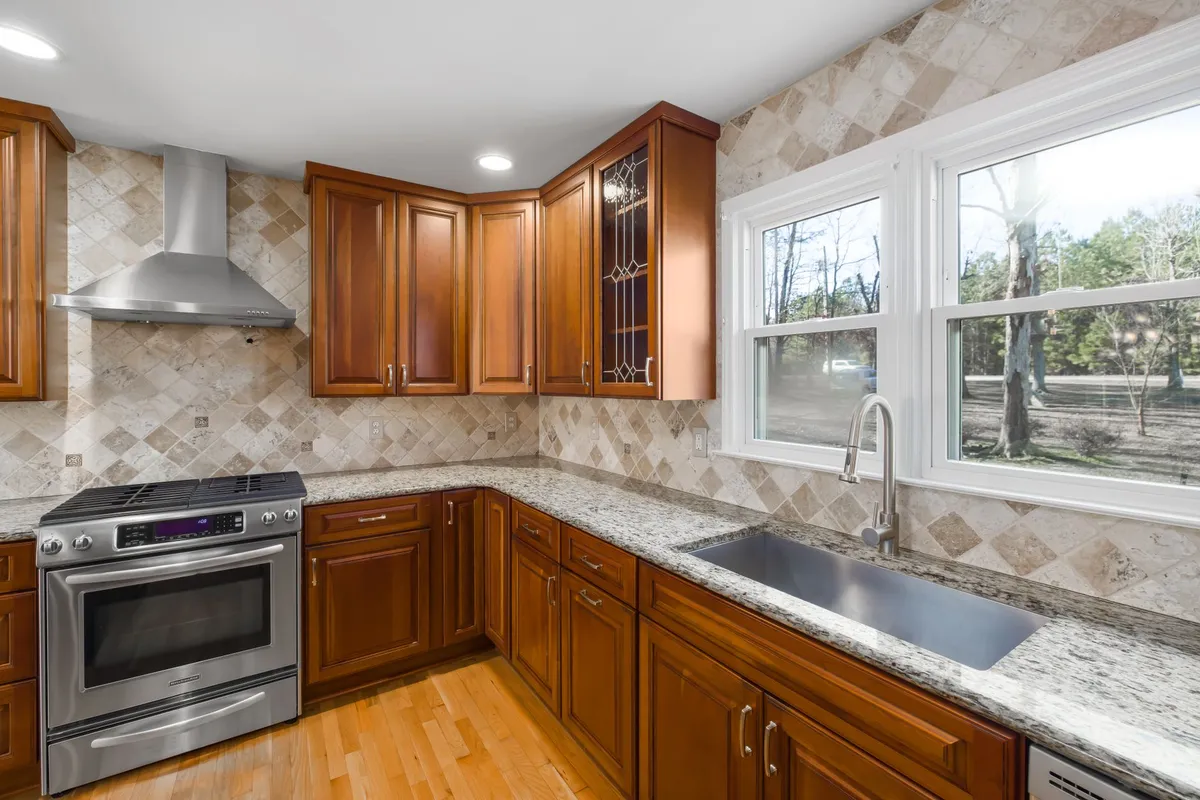
ROI by Market: Does Kitchen Renovation Pay Off?
Kitchen renovations consistently recover 60–80% of their cost at sale in most markets — but the absolute dollar recovery varies enormously by market. A $50,000 kitchen renovation in San Francisco adds $40,000–$50,000 to sale price (a market where buyers expect renovated kitchens and discount heavily for dated ones). The same $50,000 renovation in Kansas City adds $30,000–$40,000 to sale price in a market where buyers' absolute price points are lower.
The highest ROI renovation approach in any market is the mid-range upgrade on an entry-level kitchen — replacing stock cabinets with semi-custom, upgrading from laminate to quartz, updating appliances from builder-grade. This tier of upgrade moves a home from "needs work" to "move-in ready" in buyers' eyes, which unlocks the buyer pool and eliminates the discount buyers demand for a home that needs renovation after purchase.
Try the free room render to visualize what your kitchen could look like, then use the data in this guide to understand what that transformation realistically costs in your specific market before your first contractor conversation.
FAQ
How much does kitchen renovation cost per square foot in 2026? Nationally, mid-range kitchen renovations run $150–$350 per square foot all-in. High-cost markets (Bay Area, NYC) reach $400–$600 per square foot. Budget markets in the Midwest and South run $100–$200 per square foot. These figures include cabinets, countertops, appliances, labor, and permits but exclude structural changes.
Which kitchen renovation elements vary most by city? Labor is the most variable element — it can account for 35–50% of total project cost and varies by a factor of two or more between the highest and lowest cost markets. Materials vary less: quartz countertops cost approximately the same in Dallas and Denver; a Viking range has the same MSRP in Kansas City and New York.
Should I get multiple contractor bids? Yes, always. In any market, get three to five bids for the same specified scope. Variance among honest bids of more than 20% signals you need to clarify the scope; variance of more than 40% suggests one of the bidders either misunderstood the project or has a pricing problem worth investigating.
Does kitchen renovation ROI differ between selling and staying in the home? Yes significantly. If you're renovating for your own use, the ROI calculation includes years of enjoyment — a $50,000 kitchen used for ten years before sale adds value that's hard to quantify financially but real in daily quality of life. If you're renovating immediately before sale, focus on the changes with the highest resale ROI in your specific market: fresh paint, updated hardware, and appliances that match market expectations.
How does AI visualization fit into the renovation planning process? AI visualization belongs at the beginning — before you get contractor quotes, before you visit showrooms, and especially before you commit to any design direction. Seeing your actual kitchen transformed in photorealistic renders helps you articulate exactly what you want, which leads to more accurate contractor bids and better purchasing decisions. Start with the free render and use the outputs as your design brief.