
Mid-Century Modern Design: Timeless Style Guide
Complete guide to mid-century modern interior design. Iconic furniture, warm wood tones, and organic shapes from the 1950s-60s that still look fresh today.
RoomRenovation.AI Team
Updated January 25, 2026
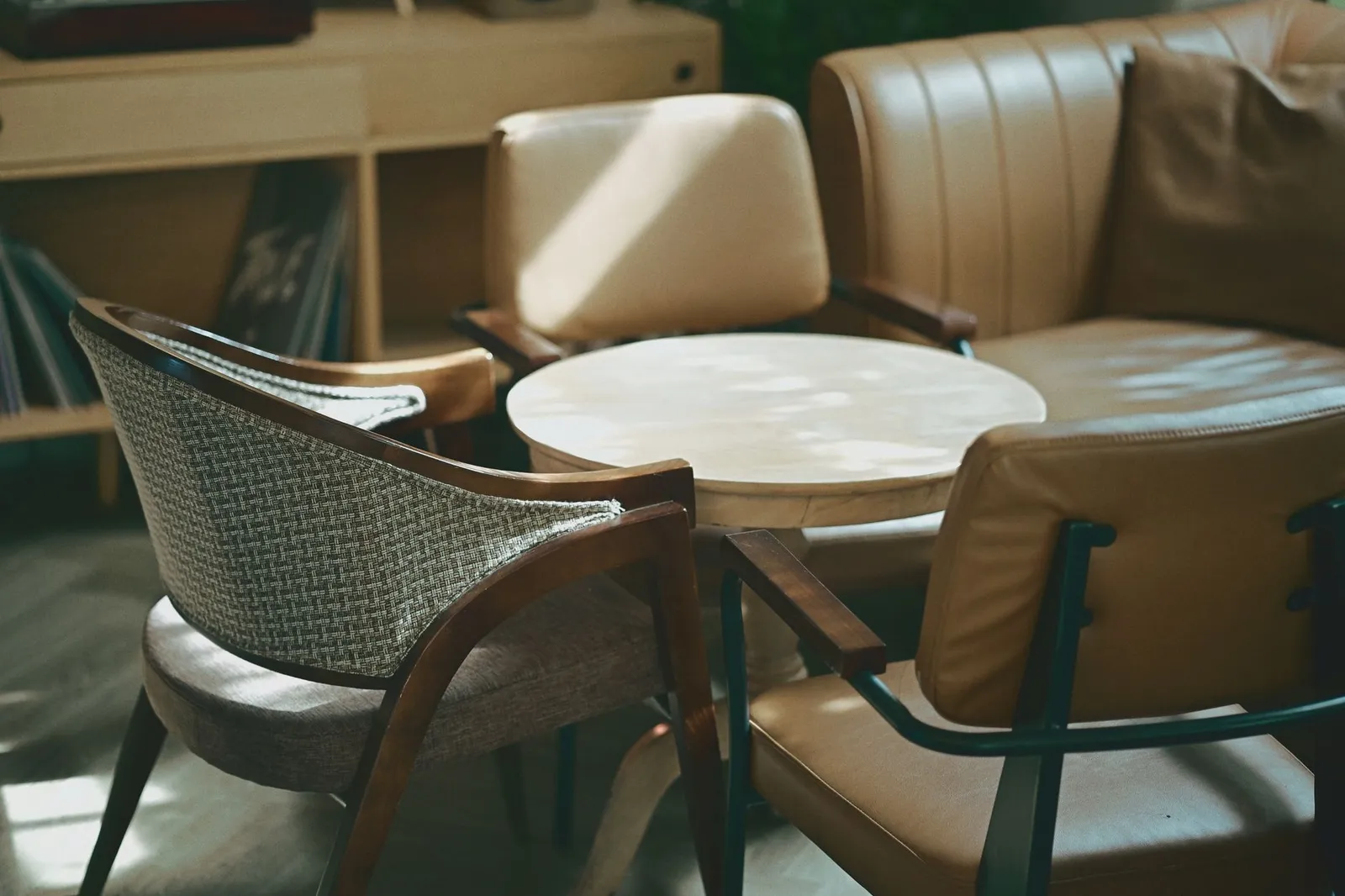
Mid-century modern interior design remains one of the most enduring and widely imitated styles in American homes — and for good reason. Born between roughly 1945 and 1969, the movement distilled a century of modernist thinking into furniture and spaces that balanced warmth with function. If you've ever been drawn to a low-profile walnut credenza, an Eames lounge chair, or a living room bathed in warm amber light, you've already felt mid-century modern's pull.
The Core Principles of Mid-Century Modern Design
Mid-century modern isn't just about buying the right furniture — it's a philosophy. The style emerged from a postwar optimism that believed good design could improve everyday life. Three principles sit at its foundation:
- Form follows function. Every element must earn its place. Decorative excess for its own sake is quietly edited out.
- Organic meets geometric. Rounded, nature-inspired shapes (kidney curves, tulip bases, tapered legs) coexist with clean rectangular silhouettes.
- Indoor-outdoor connection. Floor-to-ceiling windows, sliding glass doors, and natural materials blur the boundary between interior and landscape.
Signature Materials and Finishes
Get the materials right and the rest follows. Mid-century modern rooms lean on:
- Warm wood tones: Teak, walnut, and rosewood dominate. Look for hairpin or tapered dowel legs. Avoid anything too orange or artificially darkened.
- Fiberglass and molded plastics: The era invented these for furniture. Shell chairs, Tulip tables, and Panton stacking chairs are classics.
- Wool, boucle, and tweed upholstery: Textured natural fibers in mustard, olive, burnt orange, and teal ground the palette.
- Terrazzo and polished concrete: Floor treatments that add depth without competing with the furniture.
- Brass and brushed steel: Hardware and lamp bases in unlacquered brass age beautifully and warm up the room.
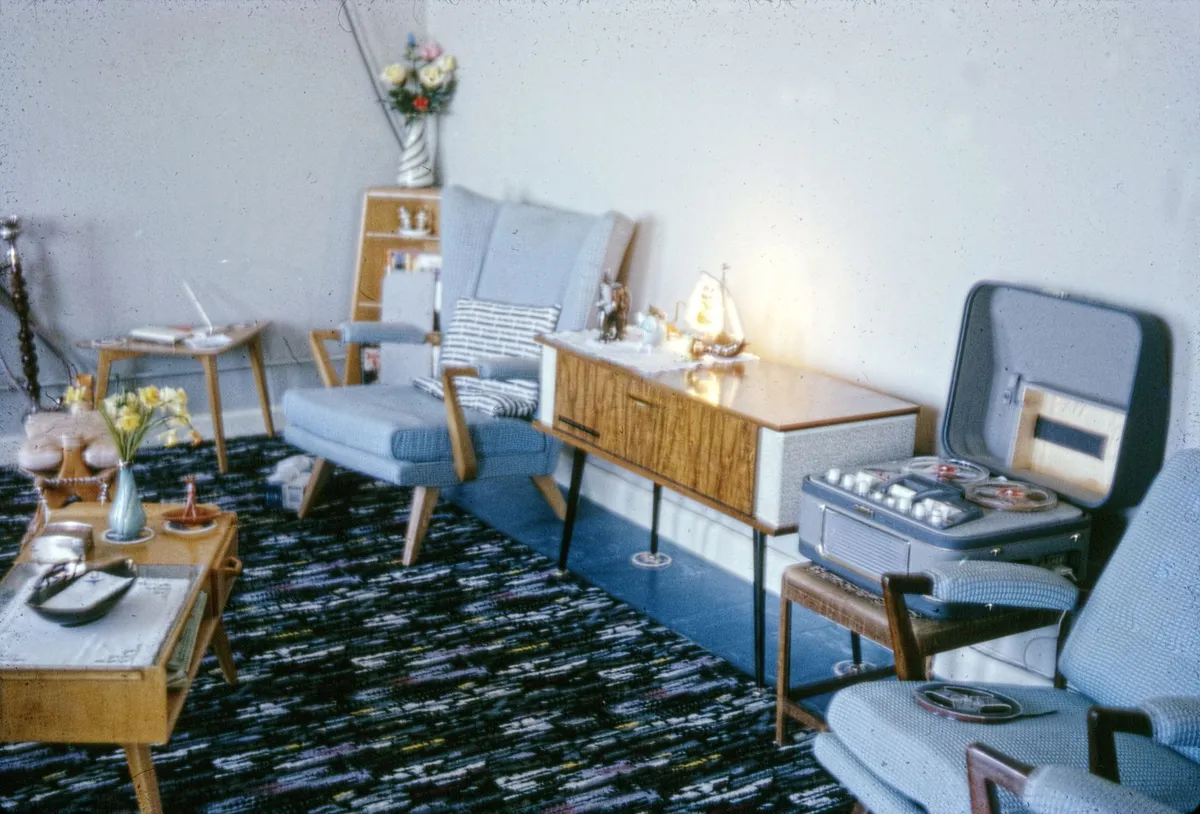
The MCM Color Palette
Neutral backdrops let statement furniture sing. Opt for warm whites, greige walls, or low-contrast stone tiles on floors. Then introduce accent colors in upholstery and art:
- Mustard yellow and harvest gold
- Avocado green and sage
- Burnt sienna and rust
- Petrol blue and teal
- Charcoal and warm gray
Avoid cool stark whites or grays that push the room toward contemporary minimalism rather than the warmer MCM register. If you want to test palette combinations before committing to paint, upload a photo of your room and preview different color schemes in seconds.
Iconic Furniture Pieces Worth Knowing
You don't need authentic vintage to achieve the look — many manufacturers produce faithful reproductions. The pieces that define the category:
- Eames Lounge Chair & Ottoman (1956): Molded plywood shell, leather cushions, five-star aluminum base. The gold standard for a reading corner.
- Saarinen Tulip Table (1956): A single pedestal base eliminates table legs entirely, making a small dining room feel open.
- Noguchi Coffee Table (1948): Plate glass resting on two interlocking walnut or ebony rockers — sculpture as furniture.
- Wegner CH07 Shell Chair (1963): Solid wood Danish shell with three-point contact. Comfortable without upholstery.
- Nelson Platform Bench: Multipurpose, low-profile, and infinitely versatile as a TV console, entry bench, or bedroom foot piece.
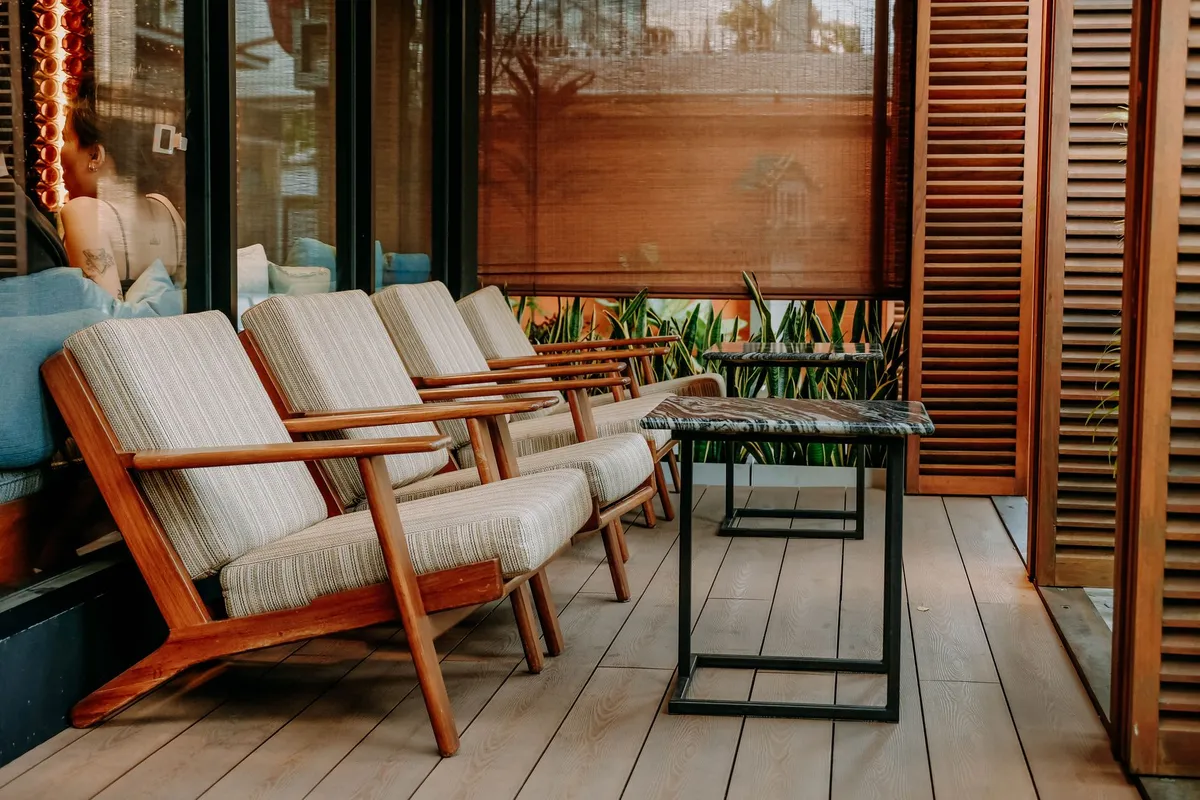
Lighting in Mid-Century Modern Interiors
MCM lighting is sculptural first, ambient second. Look for:
- Arc floor lamps: Sweep dramatically over a sofa grouping. The Arco by Flos is the original; dozens of quality reproductions exist for $150–$400.
- Sputnik chandeliers: Multi-arm brass fixtures radiate in all directions — a natural focal point over a dining table.
- Bullet and Gubi pendants: Simple molded shades in spun metal or matte ceramic for kitchens and reading zones.
- Table lamps with ceramic bases: Bottle or hourglass forms in matte glaze, topped with a drum shade in natural linen.
Layer three sources — ambient, task, and accent — rather than relying on a single overhead fixture. Dimmer switches are non-negotiable.
MCM in the Living Room vs. Other Spaces
The living room is where mid-century modern thrives most naturally. A low sectional or sofa in a warm neutral, a walnut media console, a Noguchi-style coffee table, and a single arc lamp is enough to define the room. But the style adapts well elsewhere:
- Bedroom: Platform bed with walnut veneer headboard, matching nightstands, drum pendants. Keep textiles warm — linen, wool, cotton in earth tones.
- Dining room: Tulip-style table with Eames wire or shell chairs. A sunburst mirror or teak sideboard completes the vignette.
- Home office: Mid-century credenzas make excellent media storage and home office credenzas. Pair with an Eames aluminum group task chair.
Curious how your living room or bedroom would look with a full MCM treatment? Use RoomRenovation.ai to visualize it with your actual walls and flooring.
How to Avoid the Most Common MCM Mistakes
- Don't overcrowd. MCM rooms breathe. Leave generous negative space around seating groups.
- Don't go all wood, all the time. Balance warm wood with metal accents, upholstered pieces, and light walls.
- Avoid cheap "teak-look" laminate. It reads as a budget imitation immediately. Better to have one genuine walnut piece than five veneered fakes.
- Don't ignore the ceiling. Drop ceilings conflict with the style's airy verticality. If you can expose rafters or remove ceiling tiles, do it.
- Plants belong here. Fiddle leaf figs, snake plants, and bird of paradise plants are MCM-era staples that soften the geometry.
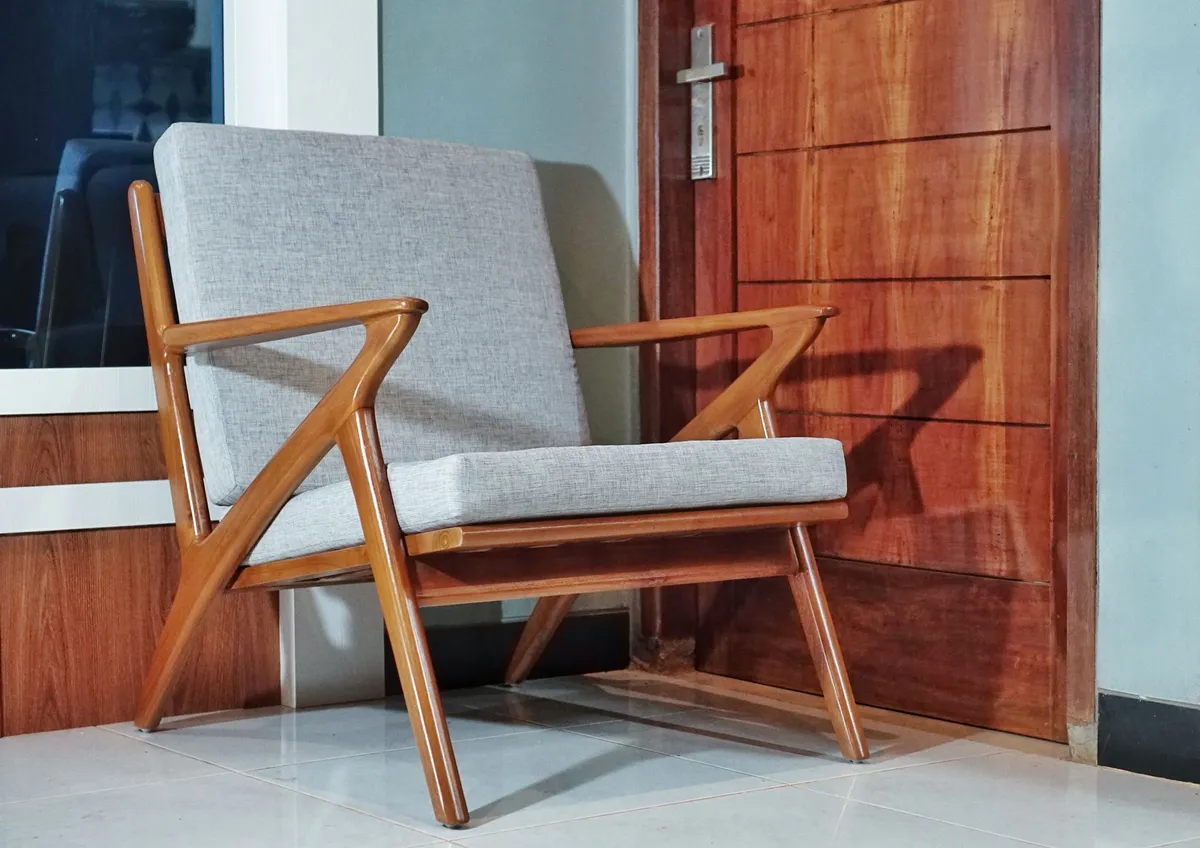
Budget Realities for a Mid-Century Modern Refresh
Authentic vintage MCM pieces command significant premiums at auction and estate sales. A genuine Eames lounge chair in good condition runs $3,000–$6,000. Authentic George Nelson pendants start around $500. But the look is highly achievable without originals:
- Reproduction furniture (certified or quality brands): $200–$1,500 per piece from manufacturers like Article, Joybird, or Poly & Bark.
- Thrift and estate finds: Solid teak pieces from the 1960s often surface at estate sales for $50–$300 and refinish beautifully.
- Full living room refresh: Sofa, coffee table, arc lamp, and a credenza from mid-range retailers typically runs $2,500–$6,000.
Check RoomRenovation.ai pricing — for a few dollars you can visualize the full MCM treatment before buying a single piece of furniture.
FAQ
What's the difference between mid-century modern and Scandinavian design? They share DNA — both embrace clean lines and natural materials — but MCM is warmer in palette, more sculptural in form, and rooted in American postwar optimism. Scandinavian design (or Scandi) tends toward cooler, paler tones and greater restraint. They layer well together. See our Scandinavian design guide for comparison.
Can mid-century modern work in a small apartment? Absolutely. The style's low-profile furniture and preference for open floor plans make it particularly well-suited to compact spaces. Choose a loveseat over a sectional, use a slim console instead of a large credenza, and let the floor breathe.
Are hairpin legs actually MCM? Yes — hairpin legs (slender steel rods bent into an "N" shape) became popular in the late 1940s and are authentically associated with the style. They're a quick, inexpensive way to update a basic table or bench.
What flooring suits mid-century modern best? Warm-toned hardwoods (oak, walnut, teak) are ideal. Polished concrete works in contemporary MCM hybrids. Avoid cool gray-washed floors — they push the room toward Scandinavian cool rather than MCM warmth.
How do I mix MCM with art I already own? Mid-century modern pairs naturally with abstract expressionism, geometric prints, and line-drawn botanical art. Large-format canvases in earth tones or primary-color blocks work well above a credenza or sofa.