
Mediterranean Interior Design: Warm & Inviting Spaces
Create warm Mediterranean interiors with terracotta, arched doorways, and textured walls. Complete style guide with tips for any home. Try it with AI.
RoomRenovation.AI Team
Updated March 8, 2026
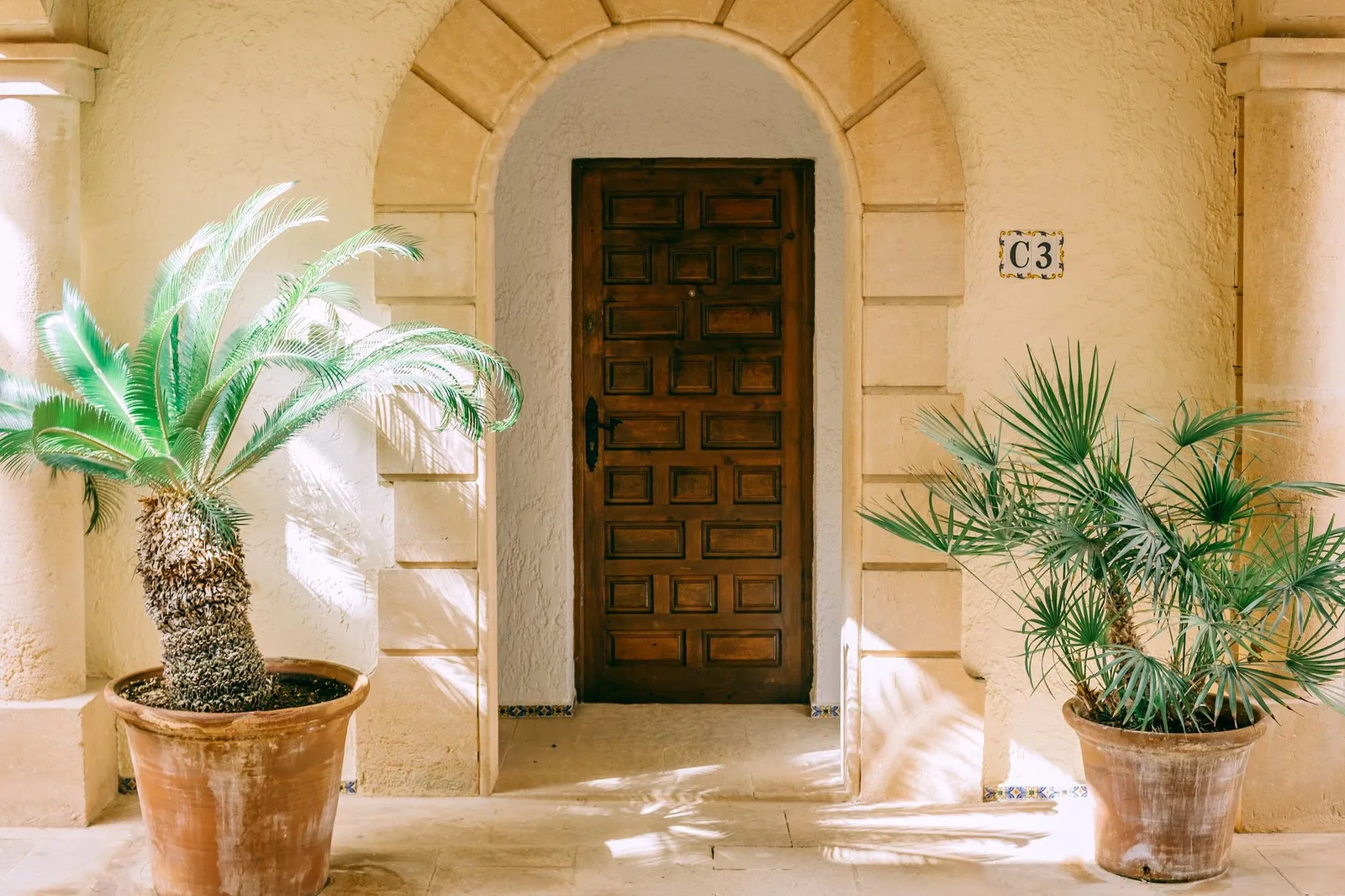
Mediterranean interior design draws from the sun-soaked shores of Greece, Italy, Spain, and North Africa to create spaces that feel simultaneously ancient and alive — warm, layered, unhurried, and deeply connected to the landscape they came from. Whether you're renovating a coastal bungalow or a suburban home, the principles translate beautifully into any climate.
The Core DNA of Mediterranean Style
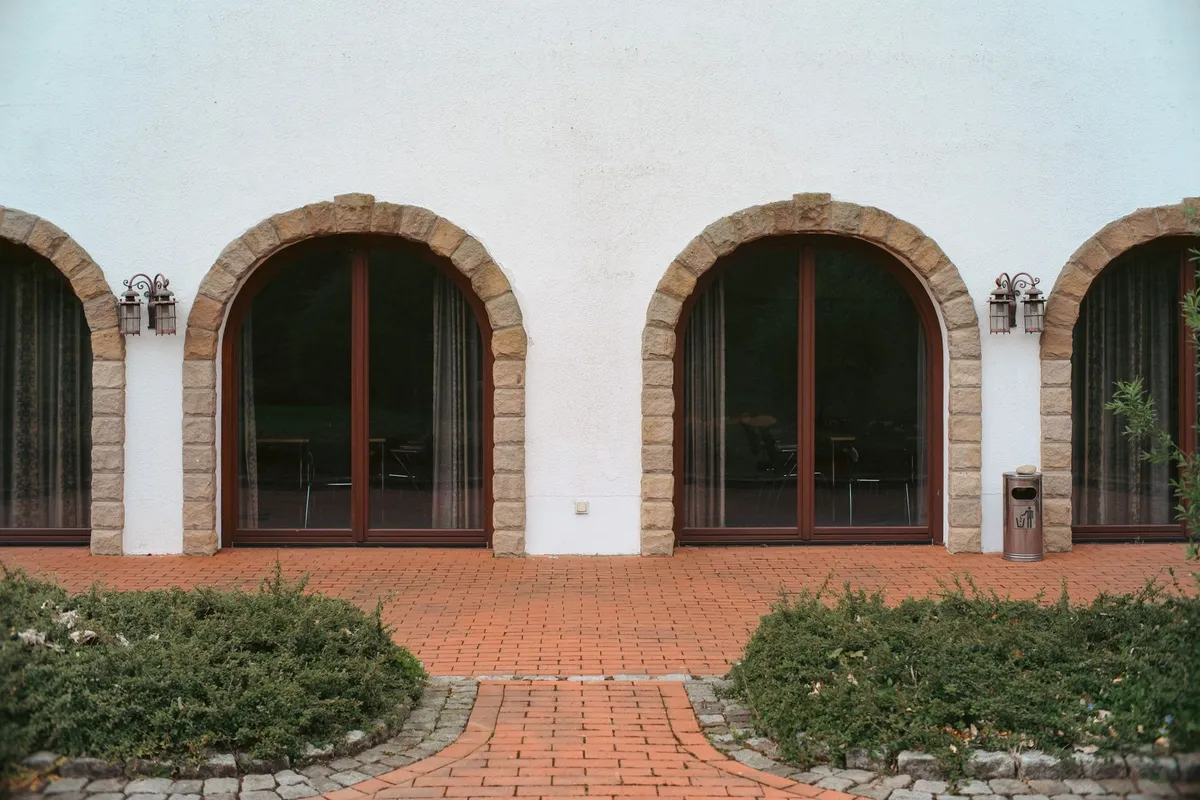
Mediterranean interiors are built on a specific palette and material vocabulary that rarely varies across countries. Terracotta — in floor tiles, pottery, and wall accents — is the signature material. Rough-plastered walls in warm whites and creamy ochres catch light the way stucco does in a Santorini village. Arched doorways and windows are structural signatures, but even decorative arched mirror frames or alcoves introduce the architectural character without reconstruction.
Natural materials dominate: wrought iron, aged wood, hand-painted ceramic tiles, woven rattan, and linen. Nothing is overly polished or machined-looking. The character comes from patina, handcraft, and imperfect beauty — a philosophy Mediterranean spaces share with wabi-sabi traditions, though the emotional register is warmer and more exuberant.
Color: Sun, Earth, Sea
The Mediterranean palette reads immediately recognizable: bleached white against cobalt blue, terracotta orange-red against sage green, warm sand tones broken by deep indigo accents. These are not colors invented by trend forecasters — they're derived from the actual landscape: whitewashed cliffs, the Aegean Sea, red clay hills, olive groves.
In practice, most Mediterranean rooms use warm white or a creamy plaster tone as the dominant wall color, then bring in terracotta, deep teal, or dusty blue through tile, textiles, and accent furniture. Pure bright white reads too clinical; off-white or limewash finishes with visible texture are closer to the source.
Accent colors worth considering for specific rooms:
- Living rooms: warm ochre walls, cobalt blue cushions and ceramics, aged brass hardware
- Kitchens: hand-painted Talavera or Zellige tile backsplashes, terracotta floor tiles, dark wood cabinetry
- Bedrooms: linen bedding in natural tones, wrought iron or carved wood bed frames, indigo or deep green textiles
- Bathrooms: white plaster walls, mosaic floor tiles, hammered copper or aged brass fixtures
Signature Materials and Textures
Terracotta and Ceramic Tile
Terracotta floor tiles are the single most impactful addition to any Mediterranean renovation. Unglazed terracotta develops a beautiful patina over time and reads authentically regardless of your home's age. Handmade encaustic cement tiles with geometric patterns — common in Spanish and North African traditions — work brilliantly as kitchen floors, bathroom features, or stair risers.
Zellige tiles (irregularly glazed Moroccan ceramics) have become one of the most-replicated elements in contemporary Mediterranean-influenced design. Their slight variation in glaze and surface catches light in ways that machine-made tiles can't replicate.
Plaster and Limewash Walls
Smooth plaster or limewash paint techniques create the chalky, slightly textured wall finish that gives Mediterranean rooms their characteristic depth. Limewash paint — available from most major paint brands now — can be applied over existing painted walls and creates a layered, ancient-feeling surface that photographs beautifully.
Wrought Iron and Aged Brass
Hardware, lighting fixtures, and decorative elements in wrought iron or aged brass read as authentically Mediterranean where polished chrome or brushed nickel would feel anachronistic. Iron chandeliers with glass or candle-style bulbs are a particularly effective statement piece.
Furniture: Heavy, Handmade, Horizontal
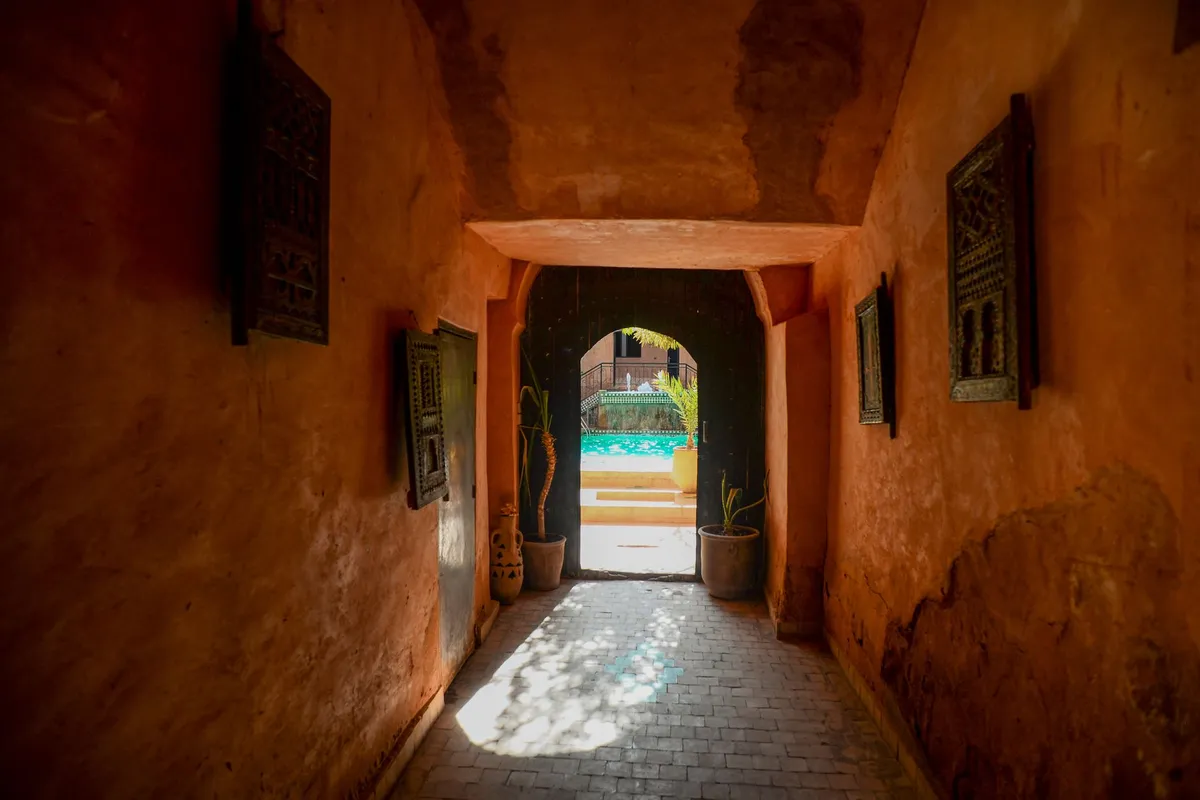
Mediterranean furniture is substantial and low-to-the-ground by nature — built for warm climates where people sprawl and linger. Think deep sofas with loose cushions in heavy linen or woven cotton, solid wood tables with thick legs and visible grain, and carved wooden chairs with woven rush seats.
Upholstery avoids synthetics. Natural linen, cotton, and hand-woven textiles are the appropriate choices. Patterns, when used, tend to geometric repeats drawn from Moorish, Greek, or Provençal traditions rather than organic florals.
Built-in features — arched niches for displaying ceramics, whitewashed shelving in kitchen alcoves, window seats with storage below — are characteristic and worth incorporating if you're doing structural work.
Plants and Natural Elements
Mediterranean interiors always incorporate greenery, and the plant choices matter. Olive trees in large terracotta pots, rosemary topiaries, bougainvillea (even as cut branches), lavender, and citrus trees all read as contextually appropriate. The common thread: aromatic, sun-loving Mediterranean plants that connect to the cooking and landscape traditions of the region.
Dried elements — wheat, dried lavender bundles, preserved olive branches — add texture without requiring maintenance and feel at home in Mediterranean spaces in ways they might feel forced in Scandinavian or industrial contexts.
Lighting: Warm and Layered
Overhead lighting in Mediterranean rooms is typically ambient and warm — lantern-style pendants, iron chandeliers, or simple ceramic pendant shades. Supplementary lighting comes from wall sconces and candles rather than floor lamps or task lighting strips.
Natural light is treated as the primary light source, and window treatments are minimal or absent to maximize it. Where privacy requires coverage, linen or loosely woven cotton panels that filter rather than block are the Mediterranean approach.
Visualizing Your Mediterranean Transformation
Because Mediterranean design involves significant material commitments — tile work, limewash paint, wrought iron fixtures — visualizing the result before committing is genuinely valuable. Upload a photo of your existing room to RoomRenovation.ai and select a Mediterranean style to see how terracotta tones, arched details, and warm textures would transform your specific space. The AI renders account for your room's existing light and architecture, giving you a realistic preview rather than a generic inspiration image.
You can also try a free room render to test the style before subscribing. See the examples gallery for Mediterranean transformations across different room types and starting conditions.
Budget Considerations
Mediterranean-style renovation costs vary significantly by scope. Cosmetic updates — limewash paint, new textiles, ceramic accessories — can achieve a strong Mediterranean character for $500–$2,000 per room. Tile work, which is often the most impactful single change, typically runs $8–$25 per square foot installed for quality ceramic or encaustic tiles. Full kitchen renovations incorporating Zellige backsplash, terracotta floors, and custom cabinetry can run $20,000–$60,000 or more depending on size and material quality. See our kitchen renovation cost guide for detailed breakdowns.
FAQ
Does Mediterranean design work in cold climates? Absolutely. The warmth in Mediterranean design comes from materials and color, not climate dependency. The deep ochres, terracotta tones, and layered textiles actually feel especially inviting in cold-climate homes where warmth is the priority.
Is Mediterranean style the same as Tuscan or Spanish Colonial? They share DNA but have distinct characters. Tuscan tends toward darker wood, more formal stone, and Renaissance proportions. Spanish Colonial incorporates more Mexican tile influence and heavier carved furniture. Mediterranean as a category bridges the Greek, Italian, and North African traditions with more eclectic, relaxed energy.
Can I mix Mediterranean with modern elements? Yes, and it often reads as the most livable version. Clean-lined modern sofas in natural linen, paired with terracotta tile floors and limewash walls, create a "contemporary Mediterranean" aesthetic that avoids the theme-restaurant pitfall of going too literal.
What's the single biggest impact change for a Mediterranean look? Floor tile. Terracotta or encaustic cement tile has the most transformative effect on a room's character, outpacing any wall color or furniture choice in terms of immediate visual impact.