
Home Staging Cost & ROI in 2026 (Plus AI Virtual Staging)
What home staging costs in 2026, the ROI sellers can expect, and how AI virtual staging delivers similar results for a fraction of traditional staging prices.
RoomRenovation.AI Team
Updated June 5, 2026
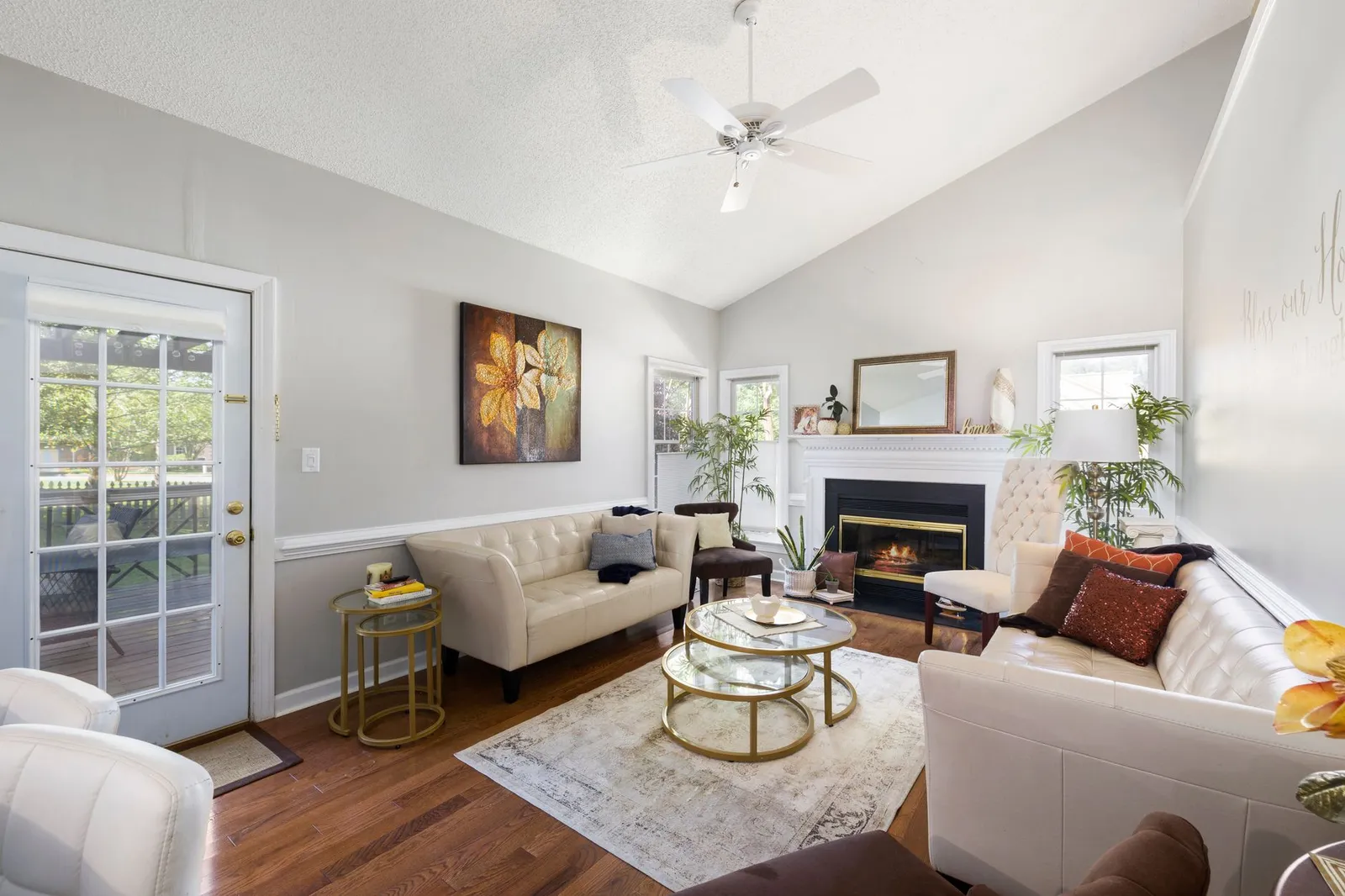
Home staging cost and ROI are among the most concrete variables in residential real estate, yet they're routinely underestimated by sellers and overcharged by staging companies who prey on anxiety. In 2026, with buyers conducting significantly more online research before viewing homes in person, staging has evolved to serve two distinct masters: the listing photos (where most buyer decisions begin) and the in-person showing (where emotional commitment forms). Understanding how to allocate a staging budget between these two goals — and where virtual AI staging fits in — can mean the difference between a home that sells in days and one that lingers for months.
What Home Staging Actually Does
Staging is not decoration. It's a targeted marketing exercise that answers a specific buyer question: "Can I see myself living here?" An empty room leaves buyers filling the mental void with uncertainty about furniture scale and room function. A poorly furnished room activates aesthetic objections. A well-staged room tells a specific story — young couple's first home, growing family's forever house, professional's urban pied-à-terre — that aligns with the property's target buyer and lets them project themselves into the space.
The measurable outcomes: staged homes typically sell faster and at higher prices than equivalent unstaged properties in the same market and price range. The National Association of Realtors' most recent staging survey found that over 80% of buyers' agents report staging makes it easier for buyers to visualize the property as their future home. In competitive markets, staging is table stakes; in slower markets, it's a genuine differentiator.
Home Staging Cost Breakdown in 2026
Professional Full Staging
Full staging — where a professional stager furnishes and accessorizes a vacant or partially vacant home with rented furniture — is the most expensive option and the most impactful for vacant properties. Typical costs in 2026:
- Initial consultation and design fee: $300–$600
- Staging fee (furniture rental + installation): $1,500–$5,000 per month for a small home (1,200–1,800 sq ft); $4,000–$10,000+ per month for larger or luxury properties
- Monthly rental continuation: The initial period usually covers 30–90 days; each additional month at 25–50% of the initial fee
For a typical 1,500-square-foot home staged for 60 days, expect to invest $4,000–$8,000 in full professional staging. In markets where the staging contributes to a sale at $15,000–$30,000 above the unstaged comparable, the ROI is clear. See how the living room and bathroom compare on renovation cost-to-value.
Partial Staging with Owner's Furniture
For occupied homes, a professional stager works with existing furniture — editing, rearranging, accessorizing, and supplementing with rented pieces where needed. This approach is more economical:
- Occupied staging consultation and redesign: $500–$1,500
- Supplemental furniture and accessory rental: $500–$2,000/month
- Professional cleaning and touch-up painting (typically recommended alongside): $300–$800
Total for occupied staging with supplementation: $1,500–$4,500 — roughly 40–60% of the cost of vacant staging for equivalent results.
DIY Staging
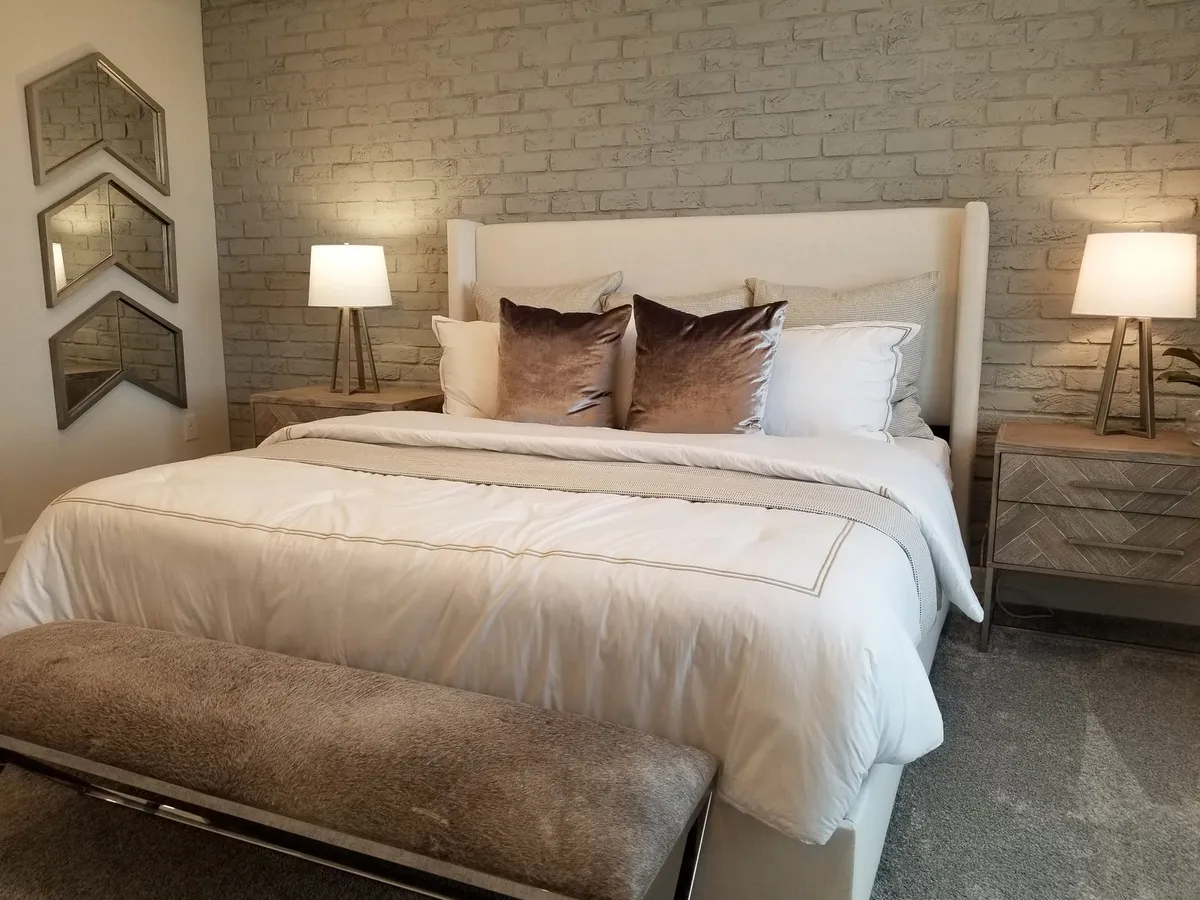
Self-staging is most effective for occupied homes with decent existing furniture. The core DIY staging protocol:
- Deep clean the entire property, including baseboards, light fixtures, and appliances
- Declutter aggressively — remove 30–50% of items from every room, especially closets
- Depersonalize: remove family photos, personal collections, and highly specific décor
- Refresh paint where needed, focusing on areas with visible marks or dated colors
- Style surfaces with simple, neutral vignettes: three objects per surface maximum
- Add fresh plants or flowers on the day of photography and showings
DIY staging costs are primarily in deep cleaning supplies, paint, and possibly a few new neutral accessories. Budget $200–$800 for a thorough DIY effort. Professional listing photography is still essential and worth every dollar — budget $200–$400 for a photographer who specializes in real estate.
Virtual AI Staging: The 2026 Game Changer
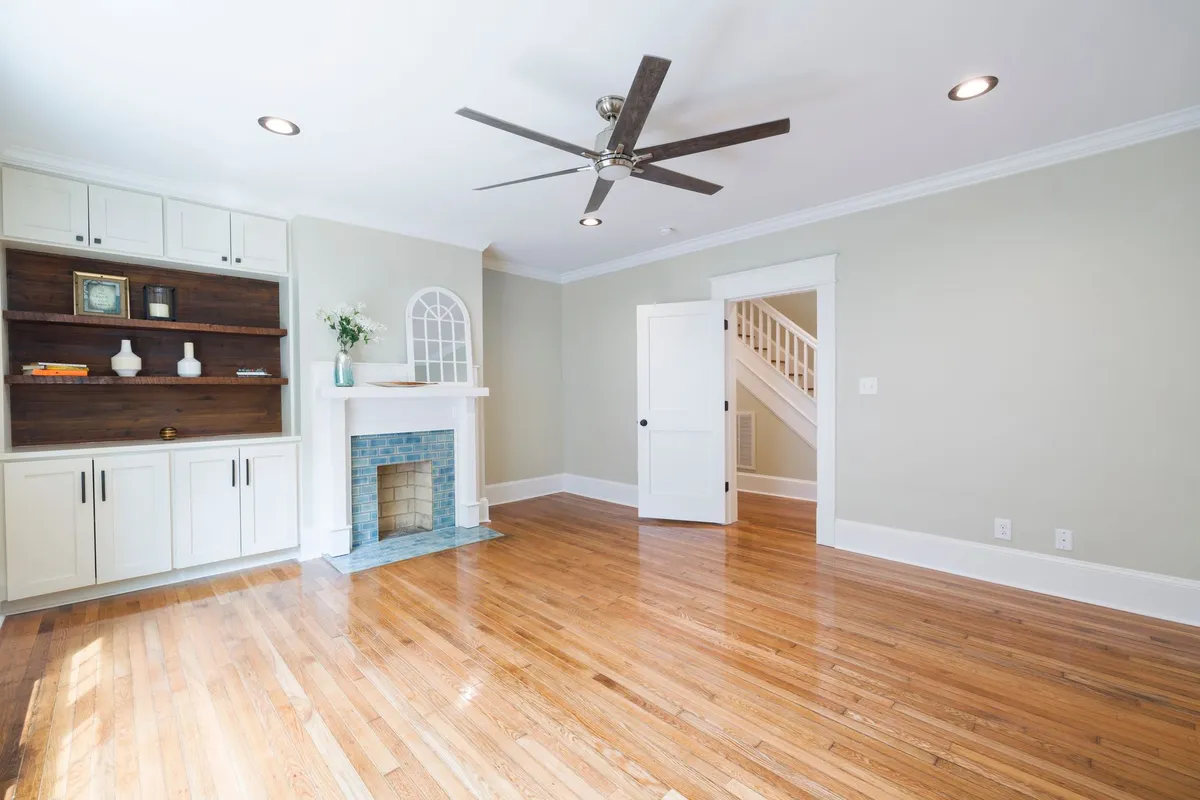
AI-powered virtual staging has matured significantly in the past two years. Today's tools produce photorealistic furnished room images from photos of empty rooms — at costs ranging from $20–$80 per image. For listing purposes, virtual staging now presents a serious alternative to physical staging for vacant properties in markets where buyers are comfortable with digitally presented homes.
What AI Virtual Staging Can Do
- Furnish a completely empty room with realistic, market-appropriate furniture in a specific style
- Preview multiple furniture arrangements and styles in the same room
- Update an occupied room's style while keeping the existing architecture visible
- Provide listing photos that compete with professionally staged properties at a fraction of the cost
What AI Virtual Staging Cannot Do
Virtual staging affects listing performance (click-through rates, showing requests) but does not affect the in-person showing experience. A buyer who schedules a showing based on virtually staged listing photos will arrive at an empty room — creating a potential disconnect. Best practice: disclose that photos include virtual staging, and manage the transition with minimal physical staging (fresh flowers, a few key pieces like a dining table and a made bed) for actual showings.
For full AI visualization of existing room renovation and redesign — not just staging, but exploring different interior styles in your actual home — RoomRenovation.ai provides photorealistic renders of your space in any of 30+ design styles. It's particularly useful for pre-staging decisions: visualize how your existing rooms would look with different furniture arrangements, paint colors, or style directions before hiring a stager. Try a free render to see what's possible.
ROI by Staging Type and Property Price Point
Entry-Level and Mid-Market Homes ($200,000–$500,000)
In this range, staging typically returns 3–5% of the home's list price in sale premium or reduced days on market. A 4% premium on a $350,000 home represents $14,000 in additional proceeds against a staging cost of $2,000–$5,000 — a clear positive ROI in most cases. Staging also reduces average days on market, which has value in avoiding ongoing carrying costs (mortgage, insurance, utilities) for extended listing periods.
Upper Mid-Market ($500,000–$1.5M)
Staging is nearly universal at this price point and often expected by buyers. The ROI equation shifts slightly: the premium attributable to staging specifically (versus the property's quality) is harder to isolate, but properly staged properties in this range consistently sell faster and at or above asking price more frequently than comparable unstaged properties. Full professional staging at $6,000–$15,000 is standard. At this price point, ROI is measured as much in market time reduction as in sale premium.
Luxury ($1.5M+)
Luxury staging is a different category: furniture and art rentals are higher-end, stagers may work with the listing agent to develop a specific lifestyle narrative for the property, and professional photography and videography are essential. Staging budgets of $15,000–$50,000+ are not uncommon for ultra-luxury properties. The ROI is harder to quantify directly but the risk of an unstaged luxury property sitting on market (with its associated price reduction implications) makes staging effectively mandatory.
What Stagers Focus On (And Why)
Professional stagers consistently prioritize the same sequence of rooms: kitchen, living room, primary bedroom, primary bathroom, and curb appeal. These are the spaces buyers weight most heavily and the rooms that list photos must represent compellingly. Secondary bedrooms, basements, and utility spaces receive attention proportionally to the home's price point and the staging budget available.
The staging principle that never changes: buyers make emotional decisions and rationalize them afterward. Staging targets the emotional decision — the "I can see myself here" moment — through specific sensory triggers: natural light, fresh scent, appropriate scale of furniture, clean lines, and a clear room function.
When Staging Is Not Worth the Investment
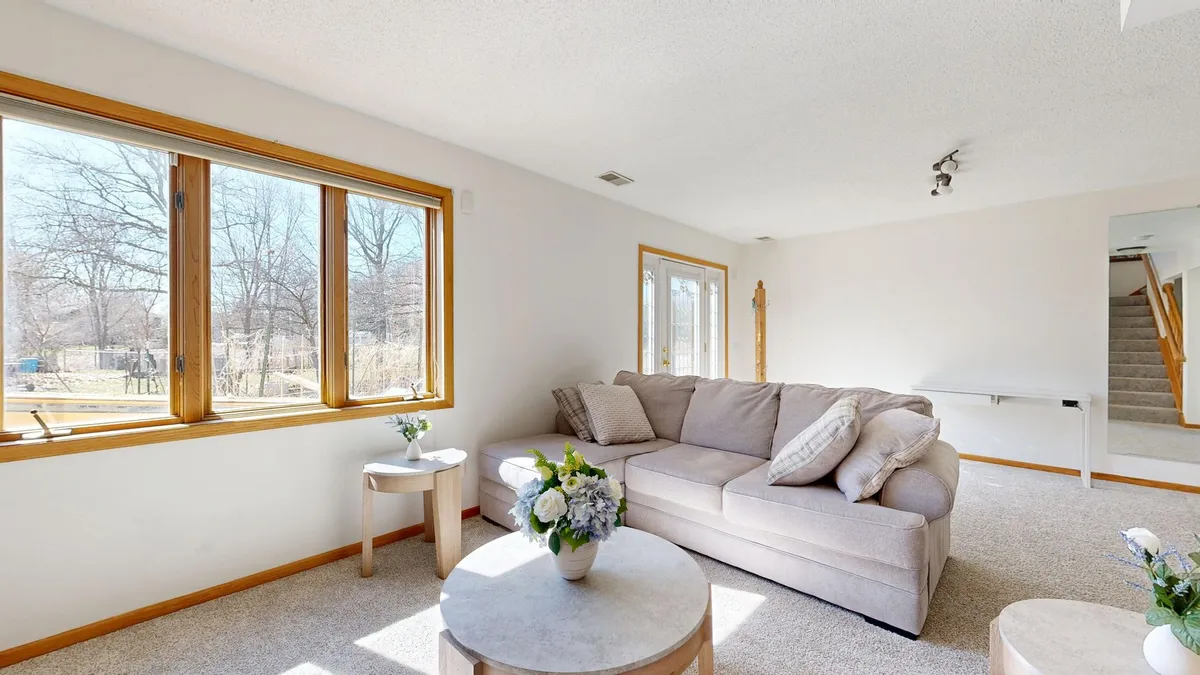
Staging is not always positive ROI. In a seller's market where properties routinely receive multiple above-ask offers within 48 hours, the marginal benefit of staging is compressed because demand is creating its own premium. In properties at the very low end of the market where buyers have fewer expectations and most purchase decisions are investment-driven rather than lifestyle-driven, staging returns are similarly compressed. And in foreclosure or estate sale contexts where buyer expectation is already discounted, staging budget is often better allocated to direct price reduction.
FAQ
How much does it cost to stage a 2,000-square-foot home? Full professional staging for a vacant 2,000-square-foot home runs $5,000–$12,000 for 30–60 days in most U.S. markets. Occupied staging with a professional consultant and supplemental pieces runs $2,000–$5,000. DIY staging with professional photography costs $400–$1,500 all-in.
Does home staging really increase sale price? In most market conditions, yes — staged homes sell for 1–10% more than equivalent unstaged properties, according to multiple industry studies. The premium is highest in buyer's markets where competition for buyer attention is greatest, and lower in seller's markets where demand exceeds supply.
Is virtual AI staging as effective as physical staging for selling a home? For listing photos, high-quality virtual staging is now competitive with physical staging in terms of click-through and showing request rates. For the in-person showing experience, physical staging (or at minimum a clean, decluttered, nicely lit empty home) is still important. Best practice in 2026 is to use AI virtual staging for listing photos and a curated minimal physical setup for actual showings.
What room is most important to stage for a home sale? The living room and primary bedroom consistently rank as the two most impactful staging priorities. The kitchen is third — buyers heavily weigh kitchen quality, but its complexity (appliances, counters, cabinets) means staging accessories contribute less proportionally than furniture staging in living and sleeping areas.
Can I use AI tools to preview staging options for my home? Yes. RoomRenovation.ai lets you upload a photo of any room and preview different furniture arrangements, styles, and décor directions with photorealistic AI renders — useful both for DIY staging decisions and for communicating your vision to a professional stager. See pricing options starting at a few dollars per render.