
Farmhouse Modern Design: Rustic Meets Contemporary
Modern farmhouse interior design guide. How to blend shiplap and reclaimed wood with clean lines and contemporary comfort. Tips and inspiration.
RoomRenovation.AI Team
Updated February 28, 2026
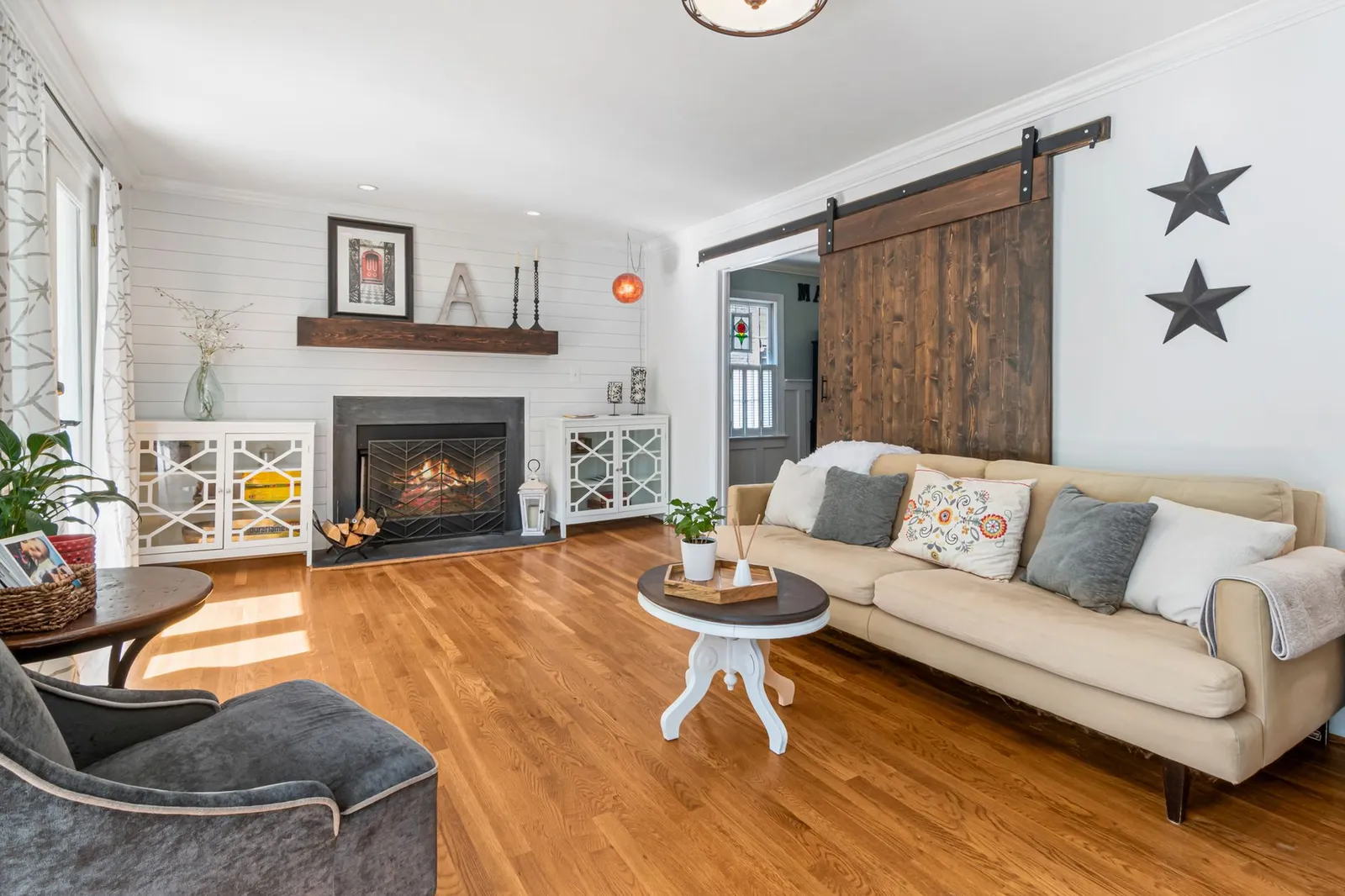
Modern farmhouse interior design has earned its staying power by solving a problem that purely contemporary spaces often create: a home that photographs beautifully but doesn't actually feel comfortable to live in. By threading rustic materiality — shiplap, reclaimed oak, matte black iron — through clean contemporary structures, the style creates rooms that are simultaneously relaxed and refined.
What Defines Modern Farmhouse Style
The term "modern farmhouse" gets stretched to cover a lot of ground, but the genuine version has a clear DNA. It starts with an honest relationship to materials: wood that shows its grain, metal that shows its age, linen that wrinkles naturally. These raw elements are then placed in contexts that are architecturally clean — minimal casing detail, large unobstructed windows, white or near-white walls that read as gallery neutral.
The tension between those two poles is what gives the style its energy. A perfectly smooth white shiplap wall next to an aged barn-wood dining table. A matte black farmhouse sink set into a white quartz countertop. Sleek pendant lights hanging over a rough-hewn island. Neither element dominates; each makes the other more interesting.
The Signature Elements
Shiplap and Board-and-Batten
Shiplap — horizontal planks with a narrow reveal between them — is the most recognizable surface in modern farmhouse design. Used on an accent wall, fireplace surround, or kitchen island facing, it adds texture without visual complexity. Board-and-batten (vertical boards with narrower strips over the seams) is its vertical counterpart, often used in entryways and mudrooms. Both work best painted in a single color — typically white, warm cream, or very soft gray — so the shadow play of the reveals does the decorative work.
Reclaimed and Distressed Wood
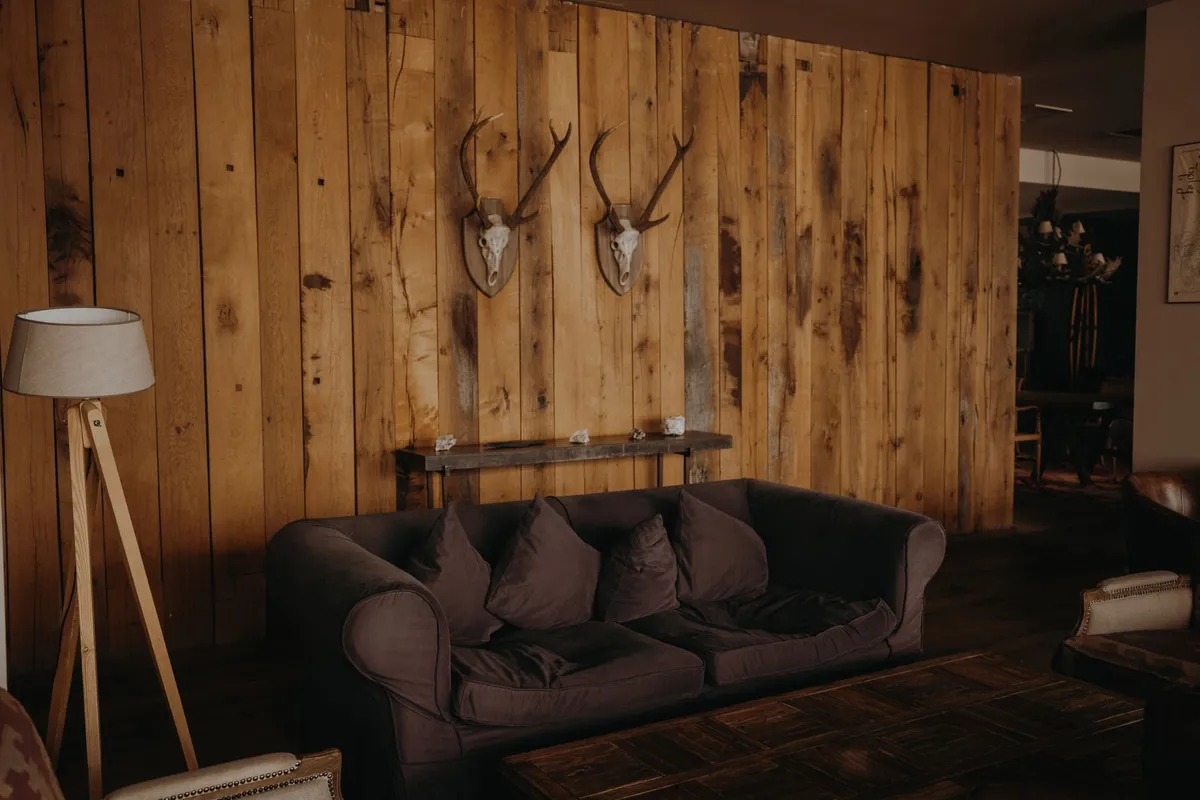
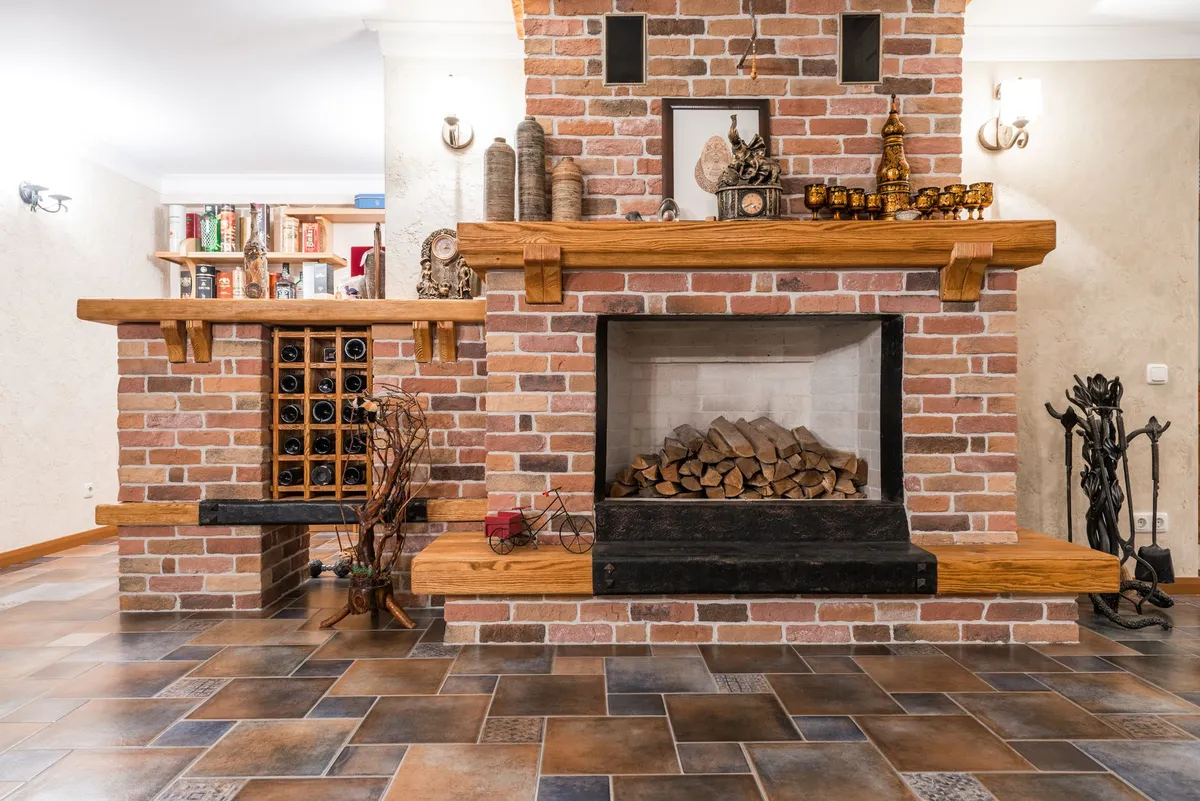
Reclaimed barn wood, salvaged beams, and wire-brushed oak surfaces bring the "farm" into the farmhouse. Exposed ceiling beams are the highest-impact application: a white-painted room with three or four substantial dark-stained beams overhead transforms instantly. For more modest budgets, a reclaimed wood mantel, open floating shelves, or a live-edge coffee table delivers similar visual weight without structural work.
Matte Black Hardware and Fixtures
Matte black is the metal finish that replaced brushed nickel as the farmhouse default. Cabinet pulls, faucets, light fixtures, door hardware, and window frames all benefit from the treatment. It reads as more sophisticated than oil-rubbed bronze and more grounded than polished chrome. The key is consistency: when matte black appears on the sink faucet, the pot filler, and the pendant lights, it reads as intentional rather than eclectic.
Apron-Front (Farmhouse) Sinks
The original farmhouse sink — a deep, single-basin fixture with an exposed front panel — has become almost mandatory in modern farmhouse kitchens. Fireclay in white or biscuit is the traditional choice; stainless works in a more industrial direction. Pair with a bridge-style faucet in matte black or unlacquered brass for maximum period authenticity.
Color Palette: Beyond All-White
Early farmhouse interiors defaulted to crisp white everywhere, which can read as cold or clinical. The evolved palette introduces warmth in layers:
- Walls: White or warm off-white (look at Benjamin Moore White Dove, Sherwin-Williams Alabaster, or Farrow & Ball All White) as the base.
- Cabinetry accents: A deep sage green, navy, or charcoal on a kitchen island or bathroom vanity grounds the space.
- Natural textiles: Linen, jute, and cotton in natural ecru, oatmeal, and soft taupe bring organic warmth.
- Greenery: Potted herbs on the kitchen counter, a fiddle-leaf fig in a galvanized metal pot, dried lavender bundles — plants are structural elements in this aesthetic.
Room-by-Room Application
Living Room
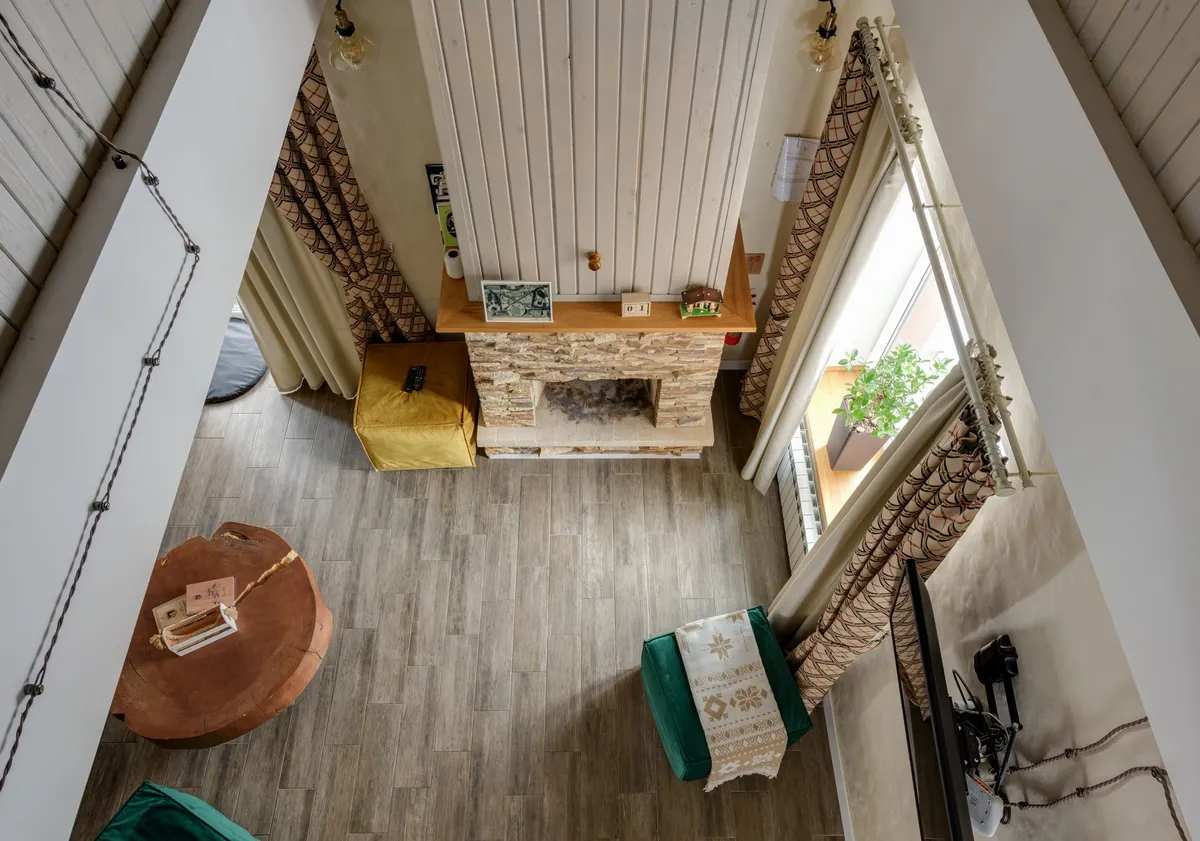
Anchor with a substantial sofa in a performance linen or cotton-polyester blend — avoid anything too precious for actual use. Add a jute rug for texture underfoot, a reclaimed wood coffee table, and a stone or shiplap fireplace surround as the focal point. Layer in throw pillows in gingham, ticking stripe, or buffalo check — the farmhouse textiles that add pattern without competing with the architecture.
Not sure how this will look in your actual space? Upload a photo and try the Farmhouse style with AI visualization before buying a thing.
Kitchen
White shaker cabinets remain the baseline, but the modern version upgrades the upper cabinets to open shelving — reclaimed wood planks on iron brackets displaying ironstone dishes, wood cutting boards, and glass-jar pantry storage. The island in a contrasting color (navy, forest green, or warm black) prevents the space from reading as a sea of white.
Primary Bedroom
Linen bedding in white or oatmeal, a board-and-batten accent wall behind the bed, and nightstands in a simple wood finish. Avoid overly decorative headboards; the style favors restraint. Aged brass or matte black sconces flank the bed instead of table lamps to keep the nightstands clear.
Avoiding Common Mistakes
The biggest misstep in modern farmhouse design is overdoing the rustic elements until the space feels like a prop shop. One or two reclaimed wood statements per room are plenty. The second error is ignoring scale: a farmhouse-style pendant that works over a 36-inch island looks ridiculous over a 96-inch one. The third is inconsistent metal finishes — mixing brass, chrome, and black in the same room fragments the visual logic.
Visualizing the design before committing is particularly valuable in this style because the material combinations can look very different in photographs than they do in your specific room's light. The RoomRenovation.AI dashboard lets you test the farmhouse aesthetic in your actual space with your existing architecture and light — a much more reliable preview than a Pinterest board. For more style inspiration, compare farmhouse against Scandinavian and modern minimalist to understand how they overlap and where they diverge.
Budget Considerations
The good news about modern farmhouse style is that the aesthetic is forgiving of imperfection and rewards DIY work. Shiplap installation is an accessible weekend project for a capable DIYer. Cabinet hardware replacement — one of the highest-impact changes — costs $200–$600 for a full kitchen and takes an afternoon. A linen slipcover on an existing sofa, a jute rug, and new throw pillows can complete a living room refresh for under $800.
Larger investments like a farmhouse sink swap ($400–$900 for the fixture plus installation) or exposed beam installation ($75–$150 per linear foot installed) pay off visually but aren't required for the style to read correctly.
FAQ
What is the difference between farmhouse and modern farmhouse style? Traditional farmhouse leans toward quilts, antique furniture, and vintage collectibles. Modern farmhouse pairs those rustic textures with clean-lined contemporary furniture, minimal clutter, and a more restrained color palette centered on white and neutral tones.
Is shiplap expensive to install? DIY shiplap installation runs $1–$3 per square foot for the wood itself plus primer and paint. Professional installation adds $2–$5 per square foot in labor. Shiplap-profile MDF boards are a less expensive alternative if budget is tight.
Can I achieve modern farmhouse style in a small apartment? Absolutely. The style scales down well. Focus on one or two key elements: a shiplap accent wall, open shelving in the kitchen, and matte black hardware can establish the farmhouse aesthetic without requiring a large square footage or structural changes.
How do I avoid the modern farmhouse look feeling trendy rather than timeless? Invest in quality natural materials — real wood, stone, linen — rather than vinyl imitations. The trend-resistant version of this style is fundamentally about honest craftsmanship, which reads as timeless regardless of what's currently popular.