Bedroom color ideas for 2026 are moving toward calm, personal palettes: warm neutrals, soft greens, clay and terracotta tones, smoky blues, and a few deeper moody shades used with restraint. The most useful way to choose is to test how a color behaves with your bedroom’s light, flooring, bedding, and trim before you paint. AI-generated bedroom previews can help you compare palettes quickly, but the final choice should still be checked with real paint samples in your room.
Key takeaways
- For a restful 2026 bedroom, start with warm whites, mushroom beige, oat, sage, clay, dusty blue, or muted olive instead of stark gray.
- Moody bedroom palettes work best when the room has layered lighting, lighter textiles, and enough contrast around windows, trim, or art.
- Use color temperature first: warm colors feel cocooning, cool colors feel airy, and muddy mid-tones usually hide clutter better than bright paint.
- AI previews are most helpful for comparing whole-room balance, not for judging the exact paint chip color on your wall.
- Before committing, test two or three finalists on poster board and look at them in morning, afternoon, and evening light.
Why bedroom colors are changing in 2026
The best bedroom color ideas 2026 has to offer are less about one fashionable shade and more about creating a room that feels steady at the end of the day. After years of cool gray walls and high-contrast white interiors, bedrooms are getting softer, warmer, and more layered.
That does not mean every bedroom needs to become beige. The strongest 2026 palettes have a point of view. Some are quiet and hotel-like, some are earthy and handmade, and others are deep enough to feel dramatic without becoming heavy. The trick is choosing a palette that matches the room’s natural light, the fixed finishes you are not changing, and the level of contrast you actually enjoy living with.
If you want to compare looks before making decisions, you can try the AI studio and generate bedroom previews from a photo of your own space.
How to choose a bedroom color palette for 2026
Start with the parts of the room that are expensive or annoying to change: flooring, trim, window treatments, built-in wardrobes, headboard fabric, and major furniture. A beautiful paint color can look wrong if it fights those fixed elements. A creamy warm white may glow with brass lamps, but look yellow beside cool white trim.
Next, decide what you want the room to do. A bedroom for sleep should usually favor lower contrast and quieter saturation. A bedroom that also works as a dressing area or reading room can handle stronger color, especially behind the bed or on built-ins. If your room is small, do not assume it must be white; a muted mid-tone can make the space feel more intentional.
Calming neutrals that still feel current
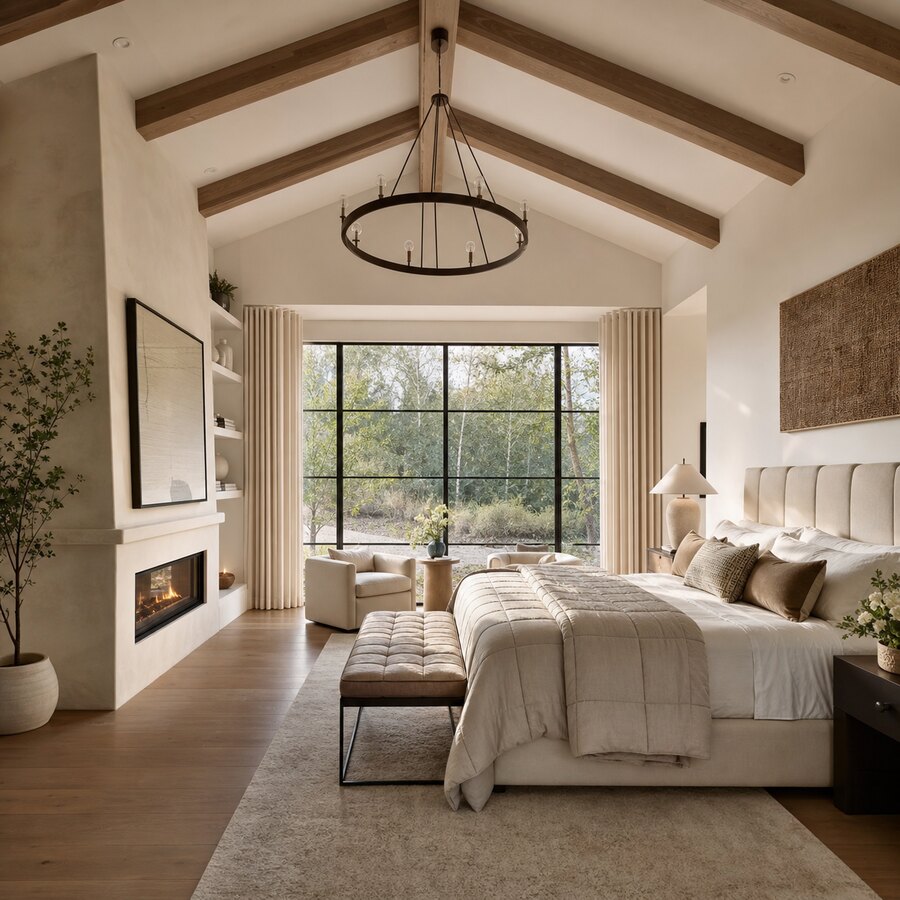
Calming neutrals are still the safest direction for most bedrooms, but 2026 neutrals are warmer and more tactile than the flat gray-beige palettes of the last decade. Think oat milk, soft ivory, mushroom, linen, putty, warm taupe, and pale greige with a hint of clay.
For a clean but warm bedroom, pair creamy walls with white or natural linen bedding, light oak furniture, and black or bronze details. If the room needs more depth, add a mushroom or taupe upholstered headboard, or use a deeper beige on curtains.
Neutral palettes are also easy to refresh seasonally. In winter, add rust, olive, or chocolate accents. In summer, switch to pale blue, soft green, or crisp white textiles. The before and after gallery is useful for seeing how neutral rooms change when lighting, bedding, and wall color are treated together.
Warm earth tones for a cozier bedroom
Warm earth tones are one of the strongest bedroom trends for 2026 because they make a room feel grounded without needing a lot of decoration. Terracotta, muted clay, cinnamon beige, tobacco, camel, and soft brown can all work in a bedroom when they are softened with natural materials.
The easiest way to use this palette is to keep the walls in muted clay or warm beige and bring deeper tones through bedding, rugs, or art. For more impact, paint the wall behind the bed in dusty terracotta or brownish rose and keep the other walls lighter.
Earth tones are especially good with rattan, walnut, oak, linen, jute, plaster finishes, and warm metal. They can look heavy with very dark floors, so add ivory bedding or a pale rug. For room-by-room planning, living room color ideas can help you keep the bedroom connected to nearby spaces.
Soft greens and nature-inspired bedroom colors
Green remains a reliable bedroom color because it sits between warm and cool. In 2026, the most useful greens are not bright botanical shades; they are muted sage, eucalyptus, olive-gray, moss, and soft green-beige. These colors feel natural but still grown-up, and they work with both traditional and modern bedrooms.
Sage walls with white bedding are popular for a reason, but the look can become predictable. To make it feel more designed, add one darker green accent, a textured neutral rug, and wood furniture with visible grain. With black window frames, choose a green with gray in it. With warm floors or brass hardware, choose a green with an olive undertone.
Green is also a good option if you want a bedroom that feels calm in daylight and cozy at night. It often shifts less dramatically than pink, yellow, or blue, although every paint color still needs testing.
Moody palettes that do not feel too dark
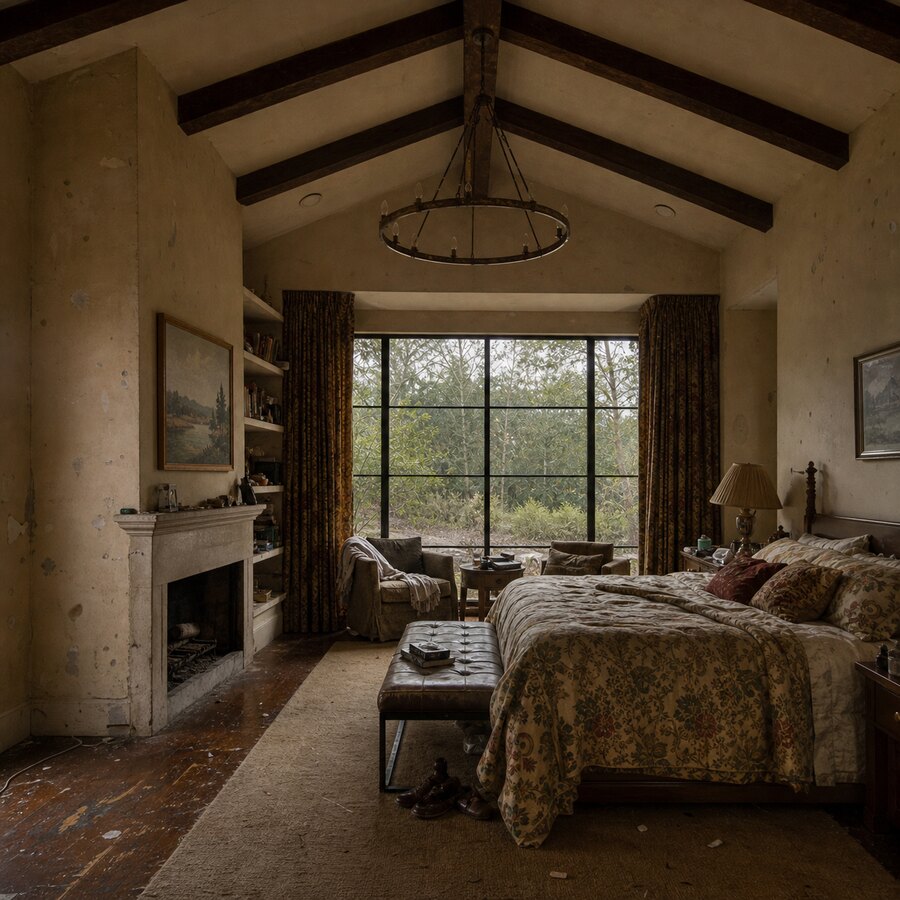
Moody bedroom palettes are becoming more refined. Instead of pure black or very saturated navy, 2026 is leaning toward charcoal blue, smoky teal, aubergine-brown, deep olive, oxblood, and warm espresso. These shades can make a bedroom feel intimate, but they need contrast and lighting to work well.
If you want a moody bedroom but are nervous about darkness, start with one of three approaches. Paint only the headboard wall. Use a dark color on built-ins or wardrobes while keeping the walls lighter. Or paint the whole room in a deep muted color but use pale bedding, warm lamps, and reflective details such as a mirror or brass hardware.
Dark paint exposes poor lighting. A single ceiling fixture will make deep walls look flat. Use at least two warm light sources: bedside lamps, wall sconces, a shaded pendant, or low-level accent lighting. The bulbs matter too. Very cool bulbs can make dark colors look harsh; warm bulbs usually make them feel softer.
AI-tested bedroom previews: what they can and cannot do
AI room design tools are useful because they let you compare broad visual directions in minutes. Uploading a bedroom photo and testing a neutral scheme, a green scheme, an earth-tone scheme, and a moody scheme can reveal which palette fits your architecture and furniture.
For the best result, use a clear photo taken in natural light from a corner or doorway. Keep the request specific: “warm neutral bedroom with mushroom walls, linen bedding, oak nightstands, and soft brass lighting” will produce a more useful preview than “modern bedroom.” If you want to keep your flooring, bed frame, or window placement, mention it.
AI previews are not paint specifications. They can distort undertones, change lighting, or make a color look smoother than real paint. Use them to shortlist directions, then order samples or paint large swatches. A practical workflow is to generate three AI previews, choose two paint families, sample three real colors, and decide after viewing them for at least a full day.
For a quick experiment, try the AI studio with a straight-on photo of your bedroom and test one calm neutral, one warm earth tone, and one moody option. Keep the preview as a planning reference, not as the final authority.
Suggested 2026 bedroom palettes
1. Warm minimalist
Use ivory walls, oat bedding, pale oak furniture, and black reading lamps. Add one textured throw or a woven bench so the palette does not become flat.
2. Soft green retreat
Use sage or eucalyptus walls, warm white bedding, oak or walnut furniture, and a muted olive accent. It works especially well in bedrooms with garden views or natural materials.
3. Clay and linen
Use a muted clay wall behind the bed, linen bedding, tan curtains, and dark wood nightstands. If the room is small, keep the other walls creamy.
4. Smoky blue and cream
Use a gray-blue wall color, cream bedding, warm wood furniture, and bronze or aged brass lighting. Avoid icy whites, which can make smoky blue feel colder than intended.
5. Deep olive cocoon
Use deep olive or olive-brown walls, pale bedding, a natural rug, and layered warm lighting. Add art with cream or ochre tones to keep the room from feeling closed.
If you are planning other spaces at the same time, keep the bedroom mood more restful than shared rooms. Related guides such as kitchen color ideas and small bedroom design ideas can help you compare how color behaves across different room types.
FAQ
What are the top bedroom color ideas for 2026?
The strongest bedroom color ideas for 2026 are warm neutrals, soft sage and eucalyptus greens, clay and terracotta earth tones, smoky blues, deep olive, and softer brown-based moody palettes. The best choice depends on your light, flooring, furniture, and how restful or dramatic you want the room to feel.
Are gray bedrooms out of style in 2026?
Flat cool gray bedrooms feel less current, but gray is not completely out. The more modern version is a warmer greige, mushroom, smoky blue-gray, or green-gray. These shades feel softer and work better with natural wood, linen, and warm lighting.
What bedroom color is best for sleep?
Colors that are muted, low contrast, and easy on the eye are usually best for sleep. Warm whites, soft beige, sage, muted blue, mushroom, and gentle olive can all work well. Very bright colors and sharp contrast can feel energizing, which is not ideal for every bedroom.
Should a small bedroom be painted light or dark?
A small bedroom can work with either light or dark paint. Light colors feel airy and familiar, while dark muted colors can make the room feel intentional and cozy. The deciding factor is lighting: if the room is already dim, use pale bedding, mirrors, and warm lamps to balance a darker wall color.
Can AI previews help me choose bedroom paint colors?
Yes, AI previews can help you compare overall palettes, furniture contrast, and mood before you buy paint. They should not be treated as exact paint matches. Use AI to narrow your direction, then confirm with physical paint samples in your bedroom.